

Two Irish passengers confirmed to be on board the cruise shipA 69-year-old British man is believed to have been evacuated from the ship to a hospital in Johannesburg for treatment
Three passengers have died during the voyage and two crew members on board need urgent medical care, the vessel’s operator has confirmed.
A British passenger, who is in a critical condition, is currently being treated in the intensive care in Johannesburg.
Cape Verde health authorities said on Monday that they have decided not to authorise a cruise ship linked to suspected hantavirus cases to dock at the port of Praia, as a precautionary measure.
The Atlantic Ocean archipelago nation’s National Directorate of Health said in a statement that all necessary safeguards were being put in place, including preparations for a possible medical evacuation by air ambulance for patients under observation.
It added that the situation was under control and there was currently no risk to the population on land.
The vessel’s operator confirmed local health authorities have visited the ship to assess the conditions of two individuals who have symptoms.
“We are in close contact with those directly affected and their families and are providing support where possible,” they said in a statement on Sunday night.
“Disembarkation and medical screening of all guests require coordination with local health authorities, and we are in close consultation with them.
“We are currently establishing the full facts and working on appropriate medical care, screening, and next steps.”
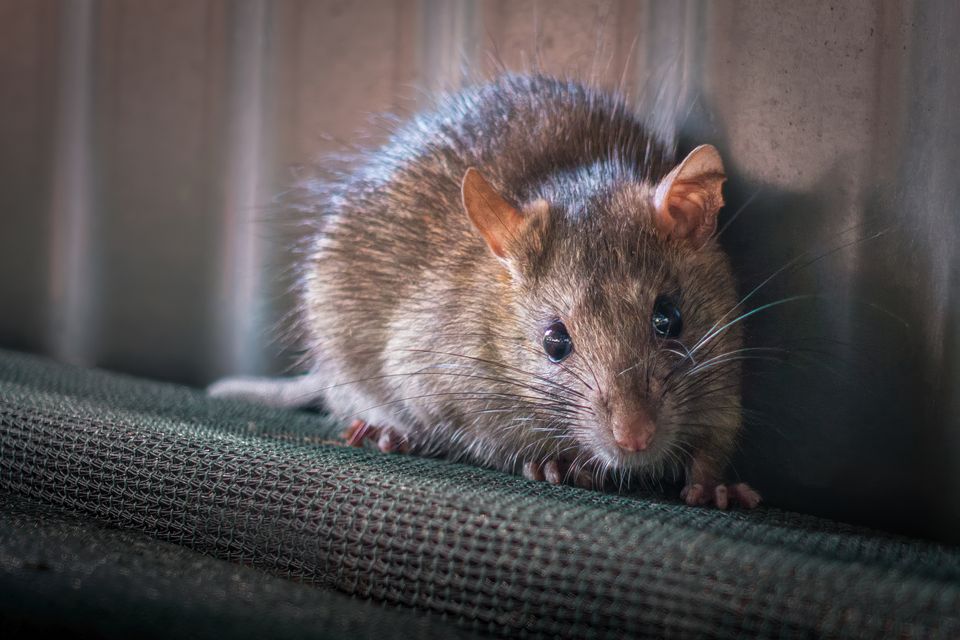
Hantavirus is spread through contact with infected rats and mice. Photo: Getty
News in 90 Seconds – May 4th 2026
Netherlands-based Oceanwide Expeditions said in a news release it was “managing a serious medical situation” on a polar expedition ship, the MV Hondius, which is currently off Cape Verde, an island nation in the Atlantic west of Africa.
The cruise departed Ushuaia, Southern Argentina, for Canary Islands about three weeks ago with 149 passengers and stopped in the Antarctic and other locations on its way to Cape Verde, according to media reports.
A Dutch Foreign Ministry spokesperson confirmed that two Dutch passengers had died, but gave no further details.
The World Health Organisation said in an X post that one of the sick passengers was in intensive care in South Africa. Sky News reported the passenger is British, citing South Africa’s Department of Health.
WHO said it was investigating the outbreak. Lab tests have confirmed hantavirus in one of the six people, the agency said.
Oceanwide Expeditions said Cape Verde authorities had not given permission for passengers requiring medical care to disembark, and Dutch authorities were seeking to organise repatriation of two symptomatic passengers along with the body of a deceased passenger.
Hantavirus can be spread when droppings and urine of rodents become airborne, such as when people sweep out sheds where mice have been living. WHO said the virus can be spread between people in rare cases.
The illness begins with flu-like symptoms and can lead to heart and lung failure, with around 40pc of cases resulting in death, according to the US Centers for Disease Control.
There are no specific drugs to treat hantavirus, so treatment focuses on supportive care, including putting patients on ventilators in severe cases.
“WHO is facilitating coordination between member states and the ship’s operators for medical evacuation of two symptomatic passengers, as well as full public health risk assessment and support to the remaining passengers on board,” the WHO said.
The British Foreign Office and South Africa’s Department of Health did not immediately respond to requests for comment.
The World Health Organisation said on Monday that the risk posed by hantavirus to the wider public remained low after three people died and three fell ill after a Netherlands-based cruise ship was hit by a suspected outbreak of the rodent-borne virus.
“The risk to the wider public remains low. There is no need for panic or travel restrictions,” said WHO regional director for Europe, Dr Hans Henri P. Kluge, in a statement.