
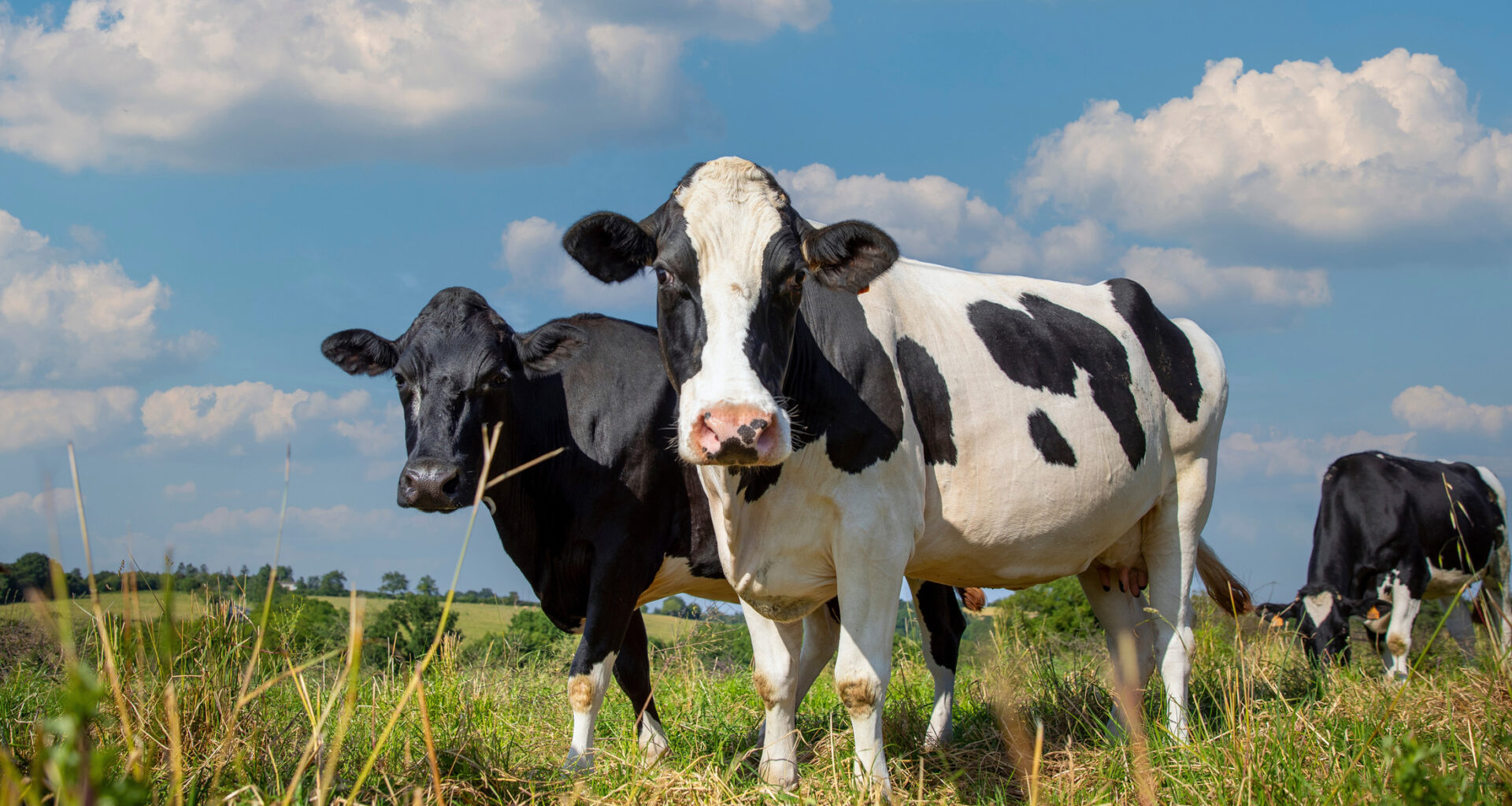
Scientists have identified a previously unknown cell compartment in cow-gut microbes that helps drive methane released by cattle and other livestock after digestion.
The discovery gives one of agriculture’s stubborn climate problems a sharper target, hidden inside the single-celled organisms that help run the rumen.
A hidden source of methane

Inside the cow’s largest stomach chamber, the finding centers on ciliates – single-celled microbes with moving hairs – that live among methane-making partners.
Dr. Fei Xie and collaborators at the Institute of Hydrobiology, Chinese Academy of Sciences (IHB), demonstrated that the new organelle feeds methane production by supplying hydrogen.
That role narrows the culprit without blaming the whole digestive system, since the structure supports methane-making microbes rather than making methane itself.
A target that precise could help researchers lower emissions while preserving the normal digestion cattle need to stay healthy and productive.
Inside the cow gut
Cattle use the rumen – the large first stomach chamber – to ferment feed before further digestion begins.
Fermentation frees energy from grass and grain, but it also leaves hydrogen that other microbes can use.
Those partners include methanogenic archaea, methane-making single-celled organisms, that combine hydrogen with carbon compounds in oxygen-poor spaces.
The process helps cattle eat tough plants, while sending heat-trapping gas into the air through breath and burps.
Why methane rises
Climate stakes sharpen because methane traps far more heat than carbon dioxide during its short atmospheric life.
The U.S. Environmental Protection Agency (EPA) estimates methane’s 100-year warming effect at 27 to 30 times that of carbon dioxide.
Cutting it can bring faster climate benefits than trimming only gases that linger for centuries in the sky.
Livestock emissions therefore matter most when scientists can lower gas without hurting animals, farms, or food production.
A richer genome catalog
Finding the cell structure required a better DNA record of organisms that earlier tools often missed or lumped together.
Xie’s IHB collaborators built a rumen ciliate genome catalog – a DNA reference set – covering multiple cud-chewing host animals.
“We present a catalog of 450 rumen ciliate genomes, with 87% newly generated,” wrote the researchers.
With that base, the team could connect which ciliates were present and active to measured gas from real cows.
Hydrogen changes the conditions
The discovery led researchers to the hydrogenobody – a newly named cell compartment that makes hydrogen inside rumen ciliates.
Its single surrounding membrane keeps key proteins together, while oxygen-removing proteins keep the local area low in oxygen inside the busy cell.
That chemical pairing gives methane-producing archaea the low-oxygen conditions they need to work more efficiently nearby.
Instead of treating all gut microbes alike, the finding points to a specific cellular process scientists can test.
Different ciliates, different output
Across ciliate species, surface design changed the size of the methane effect in a clear pattern.
Ciliates in Vestibuliferida – a group with broader hair-like surface coverage – carried more hydrogenobodies than those in Entodiniomorphida, a less-covered group.
More cell structures meant stronger hydrogen generation and oxygen removal, which favored higher methane output in the rumen.
Those differences help explain why microbial makeup can separate a gassier animal from a lower-emitting one under similar care.
A strategy that needs to be tested
A useful methane tool would not simply sterilize the rumen or knock down every microbe. Gut microbes help animals turn fibrous plants into usable nutrients, so broad attacks could backfire.
Targeting high-hydrogenobody ciliates could lower hydrogen supply while leaving essential digestion less disturbed.
That idea remains a strategy to test, not a ready treatment for barns, pastures, and feedlots.
Barn-ready use would require ways to change ciliate activity safely, repeatably, and at large scale.
Feed additives or microbial management could become options only after controlled animal trials show measurable reductions in real herds.
Any approach must track milk, weight gain, fertility, health, and methane at the same time in everyday production. A climate fix that costs too much feed efficiency would not last long on farms with tight margins.
Study limitations and future research
Care also matters because methane biology changes with diet, breed, age, season, and farm conditions.
The team connected ciliate patterns to 1,877 multi-omics datasets – paired DNA and activity records – and direct methane measurements from 100 dairy cows.
Those numbers give the discovery weight, but they do not prove every herd will respond the same way.
Future work must test whether changing hydrogenobodies lowers emissions without creating new digestive or animal-health problems in different feeding systems.
A hidden structure inside rumen ciliates now links cell chemistry, microbial partnerships, and livestock methane in one clear sequence across farm biology.
That sequence gives researchers a sharper target, while leaving open the hard work of making cuts safe, affordable, and durable for working farms.
The study is published in the journal Science.
—–
Like what you read? Subscribe to our newsletter for engaging articles, exclusive content, and the latest updates.
Check us out on EarthSnap, a free app brought to you by Eric Ralls and Earth.com.
—–