
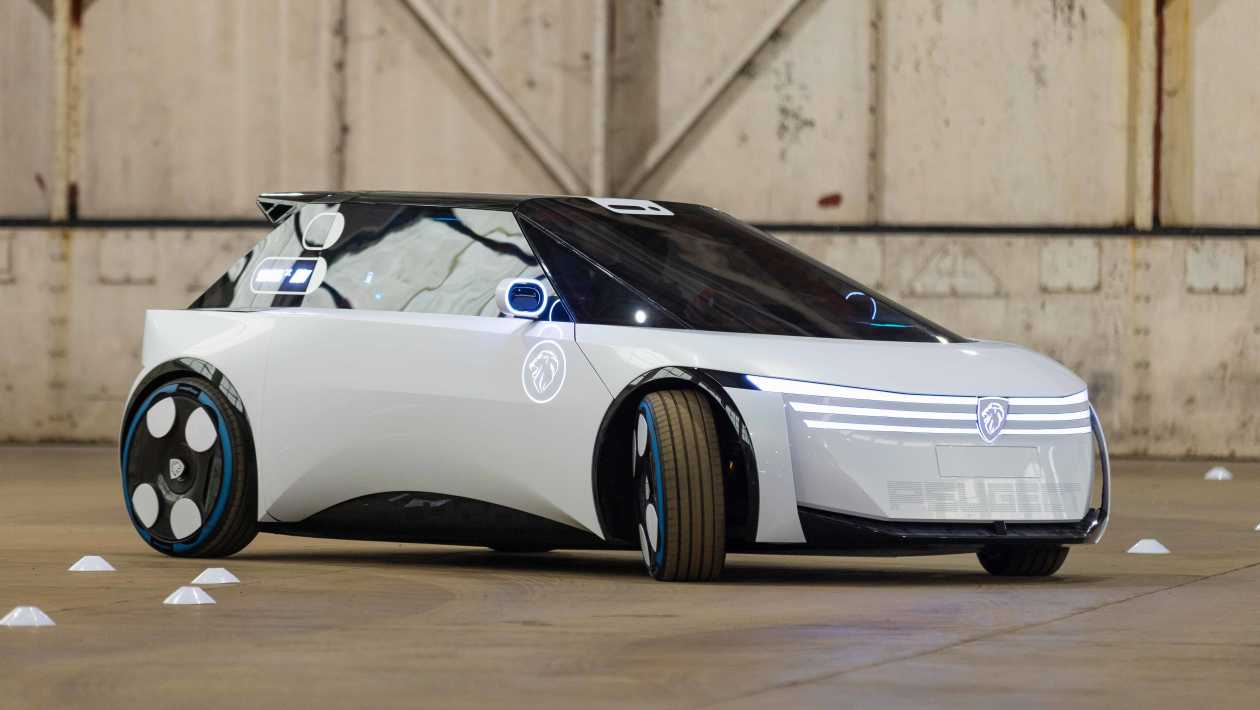
“The fruit of those optimisations needs to be delivered to the cockpit experience, to more room inside or to a lower car so you reduce the weight and you make the aerodynamics better, so the range gets better. That’s a true client-orientated outcome.”
How Stellantis will optimise design between brands
But there are still risks involved. Gilles continued: “We need to stand out from the crowd, which means finding breakthroughs [and] shocking ideas. Shocking in a good way. Not shocking in a bad way, but shocking in a world that accelerates more and more in terms of delivering very creative answers and solutions.
Advertisement – Article continues below
This variation and flexibility will, by extension, allow Gilles and his teams the technical freedom to execute the designs required from each brand, but this is far from a fix-all solution.
In the case of mainstream brands such as Peugeot, Citroen, Fiat, Jeep and Vauxhall, this level of modularity has worked well, but it’s not the same for all of Vidal’s brands. When it comes to those with more specific mandates, such as Maserati, Alfa Romeo and to a lesser extent DS, things are more challenging.
Does an ultimately more flexible, but less profitable platform need to be engineered – the sort that Jaguar has invested in for its new Type 00 GT, or the one Porsche has just cancelled after three years of intensive development? This is where Vidal acknowledges the issues, and confirms that Stellantis is yet to make any specific choices about how the jewels in its crown will finally receive the love they deserve.
Stellantis says it will have answers for us with a huge presence at the Paris motor show this October. At that point we’ll get a real glimpse into where the brands, from Alfa Romeo to Vauxhall, are really heading.
If you’re interested in buying a Peugeot, Citroen or any other type of Stellantis car, check out the Auto Express Buy a Car service for some great new, used and leasing deals…