
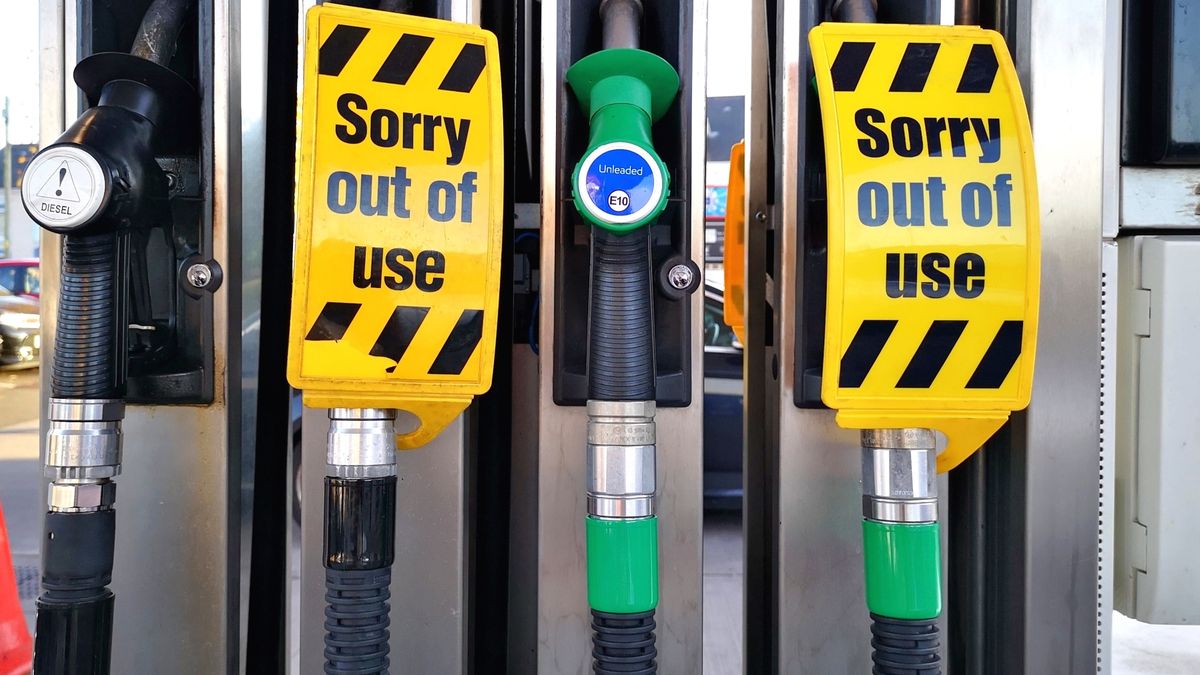
Kevin McPartlan, CEO Fuels for Ireland, delivered a chilling verdict that offered no real short-term hope for Irish consumers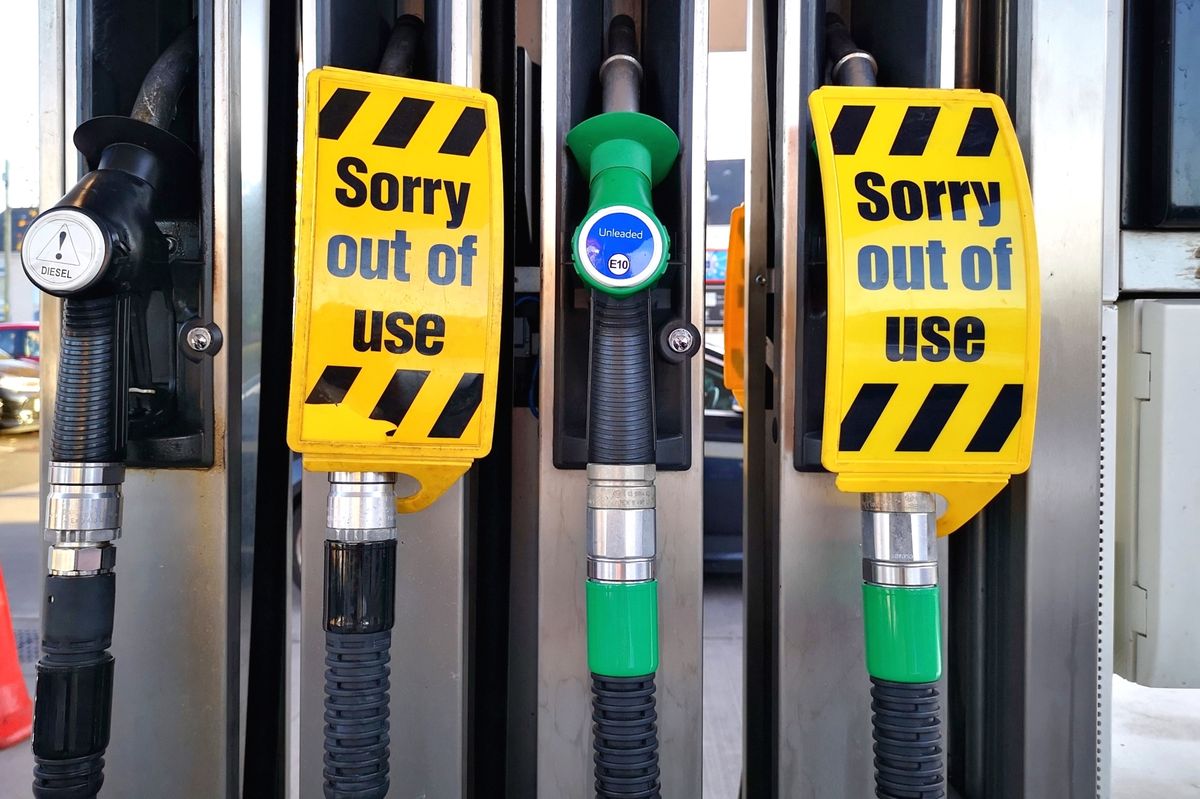
One industry expert has provided chilling analysis of the Irish fuel market. (stock image)(Image: Getty Images/iStockphoto)
The price of a barrel of Brent crude oil dropped below $100 today but Irish drivers and homeowners expecting a return to pre-Iran war prices will be bitterly disappointed, according to one industry expert.
As US President, Donald Trump, signals for the umpteenth time that peace talks continue between the two sides, the price of oil has come down again today.
However, according to an Irish fuel expert it could take a significant amount of time before consumers here see petrol, diesel and home heating oil prices back to where they were before the USA and Israel launched their attack on Iran at the end of February 2026.
Kevin McPartlan, CEO Fuels for Ireland, delivered a chilling verdict that offered no real short-term hope for Irish consumers.
“Any easing in global oil prices following a potential peace agreement between the US and Iran is welcome and necessary. However, consumers in Ireland should not expect an immediate return to pre-crisis prices for petrol, diesel or home-heating oil.
“The key issue is not simply the price of crude oil. Ireland relies on importing refined fuel products through long and complex international supply chains, and those systems remain significantly disrupted.”
He continued: “Even if passage through critical shipping routes such as the Strait of Hormuz is reliable, secure and free, there will be a delay in how improvements feed through the system. Oil leaving the Gulf today can take up to 50 days to reach European refineries.”
Mr. McPartlan said whilst prices could begin to settle in the coming weeks it will take months for the cost of petrol, diesel and home heating oil to come down significantly.
“In addition, global refining capacity has been materially impacted by the conflict. Damage to oil and refining infrastructure has reduced the world’s ability to convert crude oil into usable fuels such as petrol, diesel and kerosene. Industry estimates suggest that between 3% and 5% of global refining capacity has been lost or disrupted, and full restoration could take several years.
“We are also likely to see a continued geopolitical risk premium in wholesale energy markets for some time, reflecting ongoing uncertainty in the region. Ireland is particularly exposed to these global dynamics, as we sit at the end of European supply chains and import almost all of our refined fuel products. As a result, changes in global markets take longer to reach Irish consumers.
“The realistic outlook is that, if tensions ease, price pressures may begin to moderate gradually over the coming weeks. More meaningful reductions could take several months to fully filter through international refining and distribution systems. However, a complete return to pre-crisis conditions is likely to take considerably longer.”
Mr. McPartlan concluded: “It is also important to emphasise that fuel companies in Ireland are price takers, not price makers. Retail prices are driven by international wholesale markets, and Irish suppliers do not control global oil or refining costs.
“Our focus remains on ensuring security of supply and maintaining stability in the market during what continues to be a very complex global situation.”
Subscribe to our newsletter for the latest news from the Irish Mirror direct to your inbox: Sign up here