
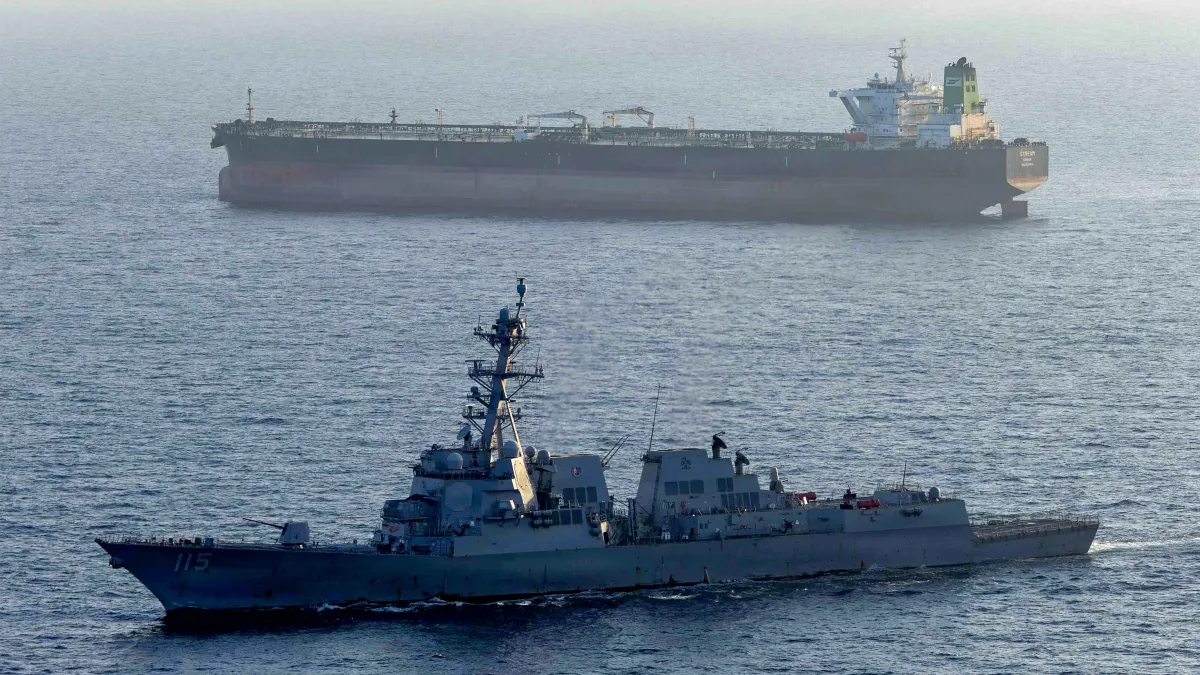
Ireland is at risk of an inflation “domino effect” this year as the Iran war drags on and the initial oil price shocks feed through to the entire economy, a leading corporate adviser has warned.
Treasury Solutions, a Cork-based corporate finance and debt management firm for large SMEs, has told clients to brace for a “multifaceted” impact from the crisis in the Strait of Hormuz that could dampen consumer spending, crimp the public finances and lead to increased unemployment.
“We think that inflation will be higher for longer than many currently forecast,” wrote managing director John Finn in a quarterly review. “The challenges are multifaceted and, in our opinion, underestimated at this point in time. The direct consequences are obvious, but the domino effect is more likely to be material.”
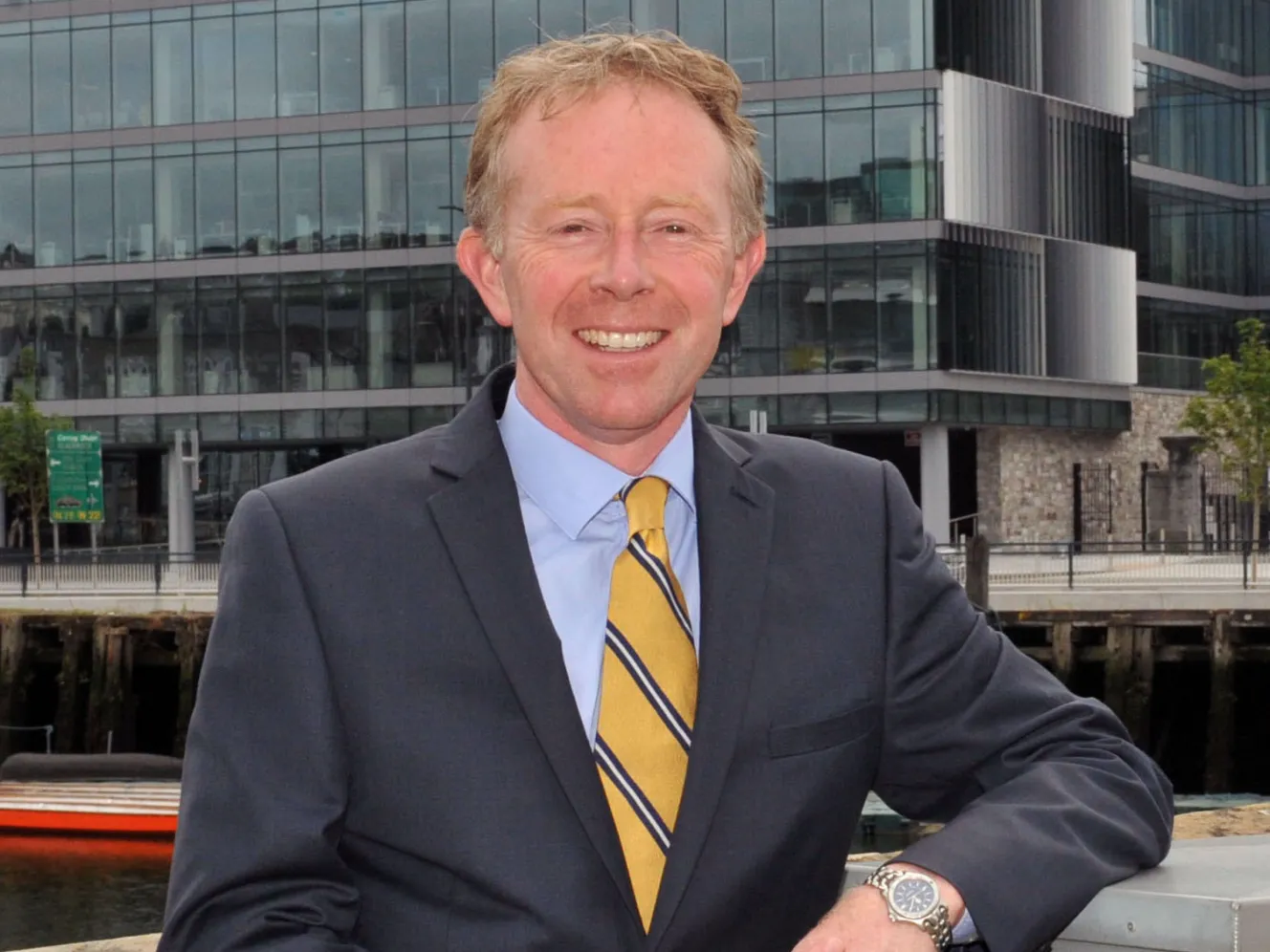 John Finn, managing director of Treasury Solutions
Finn laid out a scenario in which persistent inflation forced the European Central Bank to increase rates this summer, leading initially to higher debt costs for households, businesses and the government and then to lower spending, less investment and either tax rises or spending cuts. “None of these are positive for economic growth,” Finn wrote. “There is some anecdotal evidence of caution in spending already. If consumer spending slows in anticipation of an economic slowdown, it could precipitate it.”
The warning echoes commentary from other quarters in recent weeks, as markets are pricing in an ECB rate rise at the bank’s next monetary policy meeting on June 11 to counteract the latest spike in oil. Brent crude reached nearly $115 as the US and Iran traded blows.
“It appears the further rise in energy prices supports the case for a rate hike despite its dampening effects on growth,” Dermot O’Leary, the Goodbody chief economist, wrote to clients last week.
Irish consumer prices rose 3.6 per cent for the second month in a row in April, well above the ECB target of 2 per cent. Inflation in the euro area was 3 per cent last month. Monthly data from the most recent purchasing managers indices points to more pain to come, as well.
Ireland newsletter
Our best in-depth reads, exclusive features, news and a note from our editors in Ireland.
Sign up with one click
The AIB services purchasing managers’ index (PMI) for April, released last week, showed the first decline in activity in the sector since February 2021 as new business “stalled” amid the highest input price inflation since December 2022 — across fuel, freight, energy and wages — leading to a steep rise in charges for consumers. Not surprisingly, the business outlook for the next year was subdued.
The manufacturing PMI was much the same, marking the biggest rise in prices since September 2022 alongside the worst supply chain disruption since the tail-end of the Covid-19 pandemic.
The government has already revised downwards its forecasts for consumer spending and domestic demand, its preferred measure of growth, to reflect higher inflation through 2026. In the Department of Finance’s “severe” inflation scenario, growth would be reduced by a third to just 2 per cent next year.
Finn also warned about the growing threat to employment from artificial intelligence, based on lower intakes of graduates at professional services firms this year.
“We are arguably in the midst of the greatest need for statewide strategic planning and spending since the foundation of the state,” Finn wrote.
“The next five years in Ireland could see us adapt as we have before and continue to thrive…But putting off hard decisions with long-term consequences could see a material fall in living standards very quickly.”