
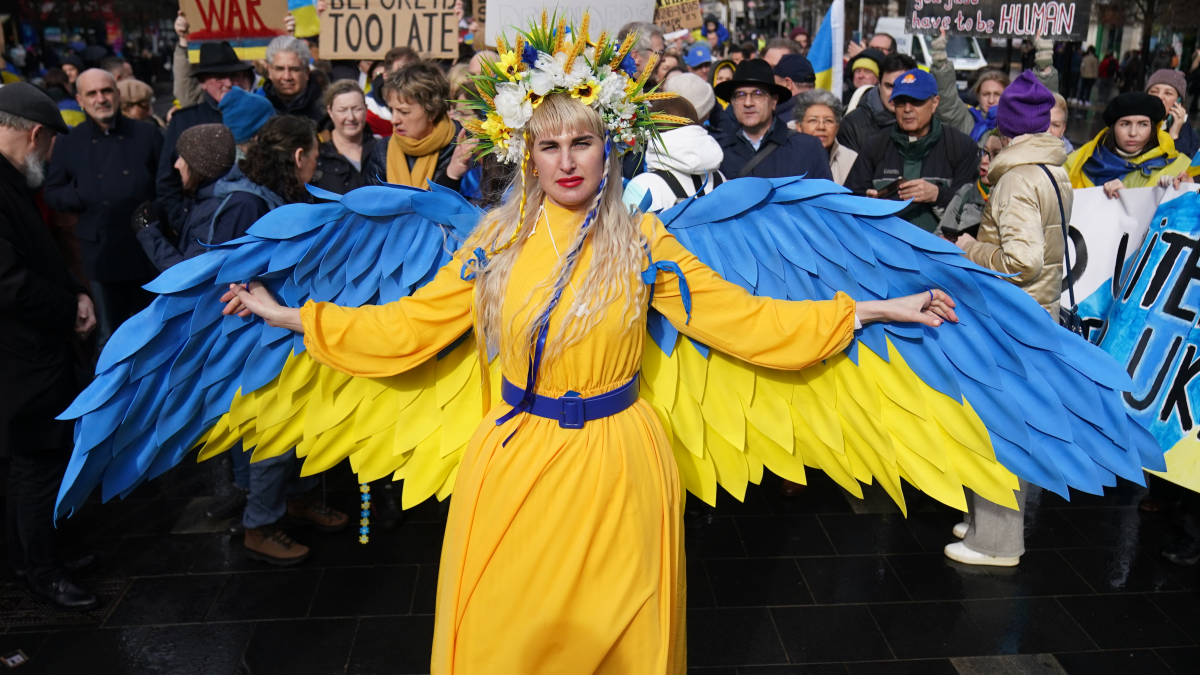
Ukrainian refugees living in Ireland will receive payments from the Irish government only once they return to their home country, ministers will be told.
The government is developing an incentive scheme that will give the refugees financial support to encourage them to repatriate.
Ministers previously said the payments to those who did return home would be substantial. However, it has emerged Ukrainians will not receive the main financial support until they have permanently moved home.
Ireland newsletter
Our best in-depth reads, exclusive features, news and a note from our editors in Ireland.
Sign up with one click
The cabinet will also shortly be told a scheme to incentivise Ukrainians to return will be contingent on reconstruction work beginning in the country ravaged by war since the full-scale Russian invasion four years ago.
A cabinet memo setting out the strategy for the return scheme and the ending of key supports for Ukrainians will detail how a new voluntary returns programme will be set up for a “limited and fixed duration” when the EU temporary protection directive ends.
Sources who have seen the confidential document said Ukrainians would be offered a route home only under certain safety and security conditions, including the beginning of reconstruction efforts in Ukraine.
However, the reconstruction will similarly be contingent on Ukrainians returning to help rebuild their country.
The latest overhaul of the government’s Ukrainian refugees policy comes as President Trump announced a three-day ceasefire between Ukraine and Russia beginning yesterday. This was supported by the Kremlin and Kyiv.
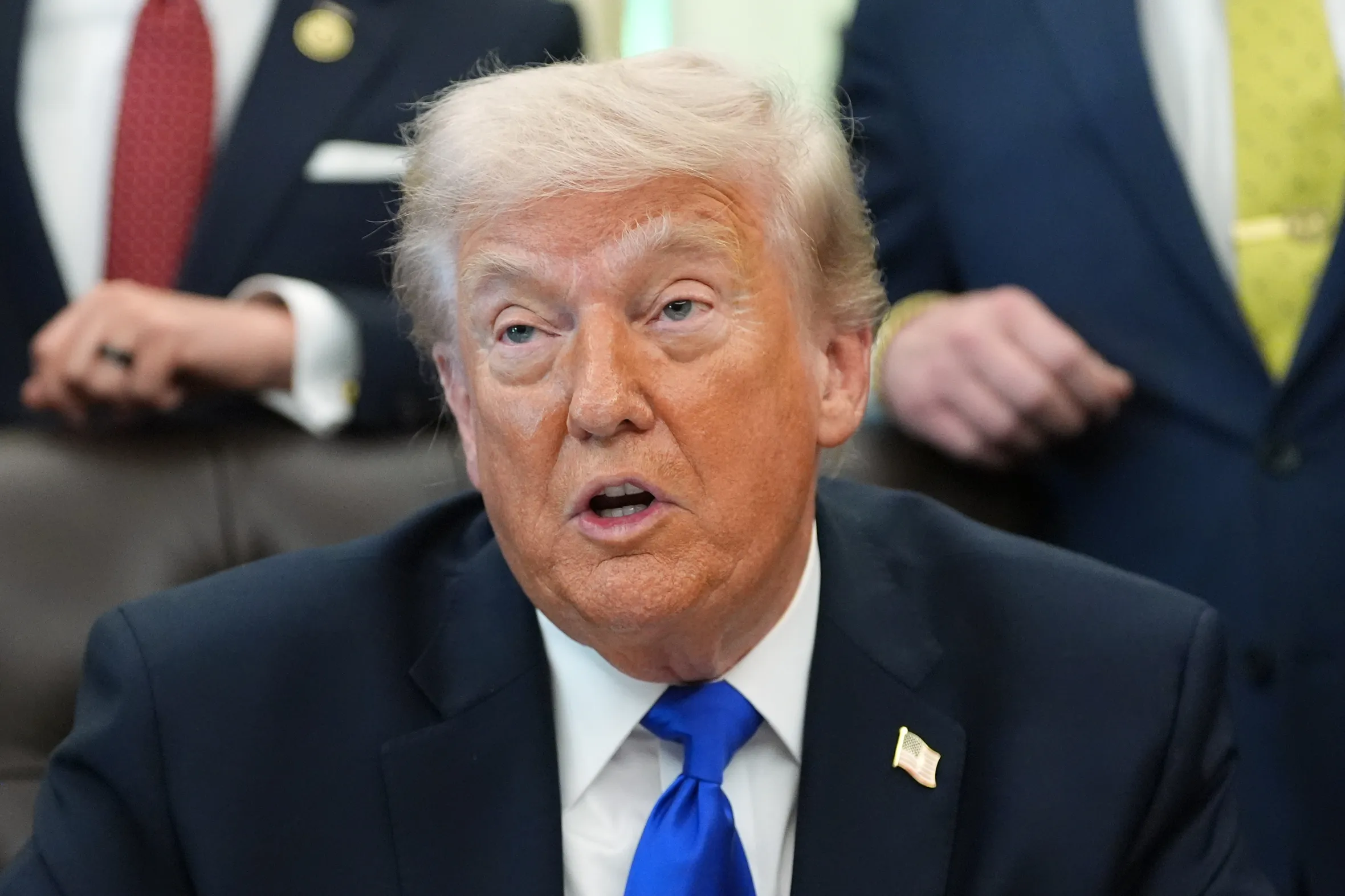 President Trump said he hoped the three-day ceasefire was “the beginning of the end” of the conflictAlex Brandon/ap
“I’d like to see it stop. Russia-Ukraine — it’s the worst thing since World War Two in terms of life. Twenty-five thousand young soldiers every month. It’s crazy,” Trump said.
Russia and Ukraine have accused each other of violating unilateral ceasefires that were declared in recent days.
In Ireland, government negotiations to date indicate that the state’s returns programme will involve assistance towards the cost of returning to Ukraine, such as flights, but the primary financial support will be given to individuals upon their return home. The support package will aim to help with the cost of reintegration.
There are also talks in progress at an EU level on setting up a pilot returns process this year before next year’s voluntary return scheme. Ireland has expressed an interest in taking part in this pilot scheme, a government source said.
Such a scheme would involve modest financial supports, such as covering the cost of travel for those who want to return to Ukraine.
Irish officials are understood to be keen to offer support through a pilot scheme to prevent the international protection system being put under pressure if Ukrainians decide to go down that route instead, when the directive ends.
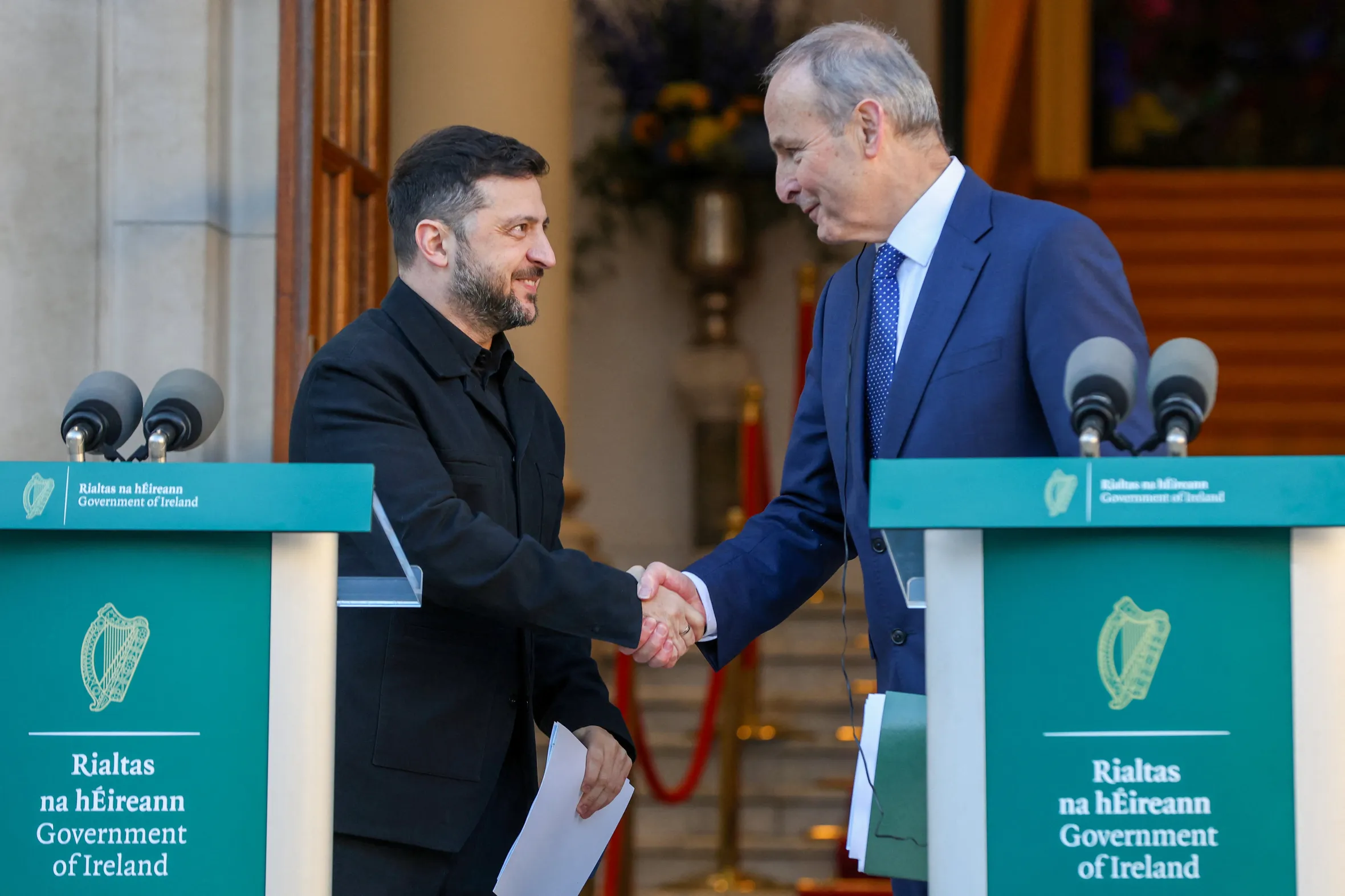 Volodymyr Zelensky, the president of Ukraine, met Micheál Martin during a visit to Dublin last yearPaul Faith/AFP/Getty Images
The cabinet will be told that close co-ordination with Ukrainian authorities will be crucial when devising the details of the returns scheme, so Ukrainians have the full information on their options.
The proposed EU voluntary return and reintegration programme is expected to be in place by March 2027.
The memo is also expected to outline the key dates around the ending of supports for Ukrainians.
An overall transition plan for Ukrainian refugees will be announced at some stage this month. In July, the government will open an application process for people to self-declare their need for alternative state accommodation in designated centres. Concerns have been raised that some Ukrainians could face homelessness when their state accommodation entitlements come to an end.
In August, the phased process of ending commercial contracts will begin, and will run up until next March. Ukrainians who signalled that they needed alternative accommodation will be relocated to designated state centres in August. An application process will then be opened in September for a “bespoke alternative permission scheme” that could allow some Ukrainians to remain in Ireland after next March, potentially under a similar system to the existing general employment permit.
In October, the accommodation recognition payment scheme will be reduced from €600 to €400 monthly.