
Ms Ní Mhurchú, who secured between 2,500 and 3,000 first-preference votes in County Kerry during the 2024 European Election, said Ireland is now part of a bloc of five nations including the Netherlands, Spain, Slovenia, and Iceland that withdrew in protest.
She co-hosted the Eurovision in 1994 with Gerry Ryan at the 3Arena in Dublin – the same year Riverdance made its debut before an international audience.
With the competition taking place this week and culminating on Saturday evening, Ms Ní Mhurchú said Ireland has, for the first time, opted for both non-participation and a broadcasting boycott, despite being one of the contest’s most successful countries.
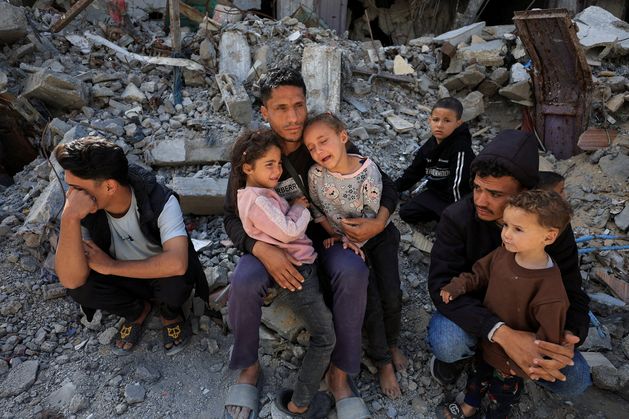
The decision comes amid escalating geopolitical tensions and a growing domestic campaign in support of Palestine, which has also been echoed by several EU states.
RTÉ confirmed its withdrawal in December 2025, citing the humanitarian situation and loss of life in Gaza, the killing of journalists, and restricted international media access.
She acknowledged Eurovision’s cultural significance in Ireland and its role in launching musical careers, but said she believed the decision reflected strong public concern about the situation in Gaza.
Unlike some other withdrawing countries, Ireland also implemented a full broadcasting boycott.
“Public service media are not just entertainment providers; they are guided by values of human rights and international law,” Ms Ní Mhurchú said.
“When the participation of a state becomes incompatible with the consensus of a broadcaster’s domestic audience and national values – as we have seen regarding the humanitarian crisis in Gaza – the choice to withdraw is a legitimate exercise of editorial independence,” she added.
RTÉ also stated that the European Broadcasting Union’s decision not to exclude Israel had undermined the contest’s claim to being non-political, making Irish participation untenable. No Irish entrant had been selected at the time of the announcement.
Ms Ní Mhurchú, a self-described lifelong Eurovision fan, said Ireland and other withdrawing broadcasters are not seeking to damage the contest, but to preserve its founding principles.
She added that Eurovision was created to promote unity in post-war Europe through shared values, and warned that perceived inconsistency in applying those values risks undermining its credibility.
Ms Ní Mhurchú concluded that she believes her position reflects the views of her constituents, who, she said, largely support RTÉ’s decision to prioritise humanitarian concerns over participation in this year’s contest.