
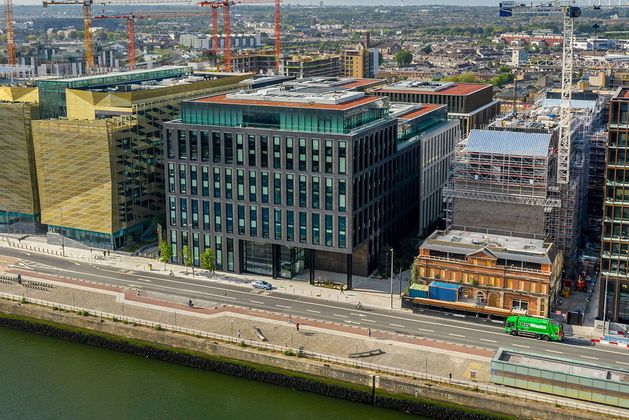
Ireland borrowed €2bn through a so-called syndicated tap of an existing 2043 Irish Sovereign Green Bond – meaning a group of investors provided additional funding under terms of a bond due to be repaid in 2043. Green bonds are used to raise money that can be spent and invested on environmentally compliant projects.
The money was borrowed at a yield, in effect the interest rate, of 3.642pc. The latest fundraising deal means the National Treasury Management Agency (NTMA), which borrows on behalf of the State, has secured 70pc of this year’s borrowing target.
The NTMA said there was strong demand for the latest bond deal transaction. The total order book of over €35bn included 235 individual accounts.
The NTMA’s director of funding and debt management, Dave McEvoy, said it demonstrated Ireland’s continued commitment to the green bond market.
“Investor appetite for Irish government bonds remains strong, and we have now raised almost 70pc of the mid-point of our €10bn-to-€14bn bond funding range for the year. This leaves us well positioned heading into the second half of 2026,” he said.
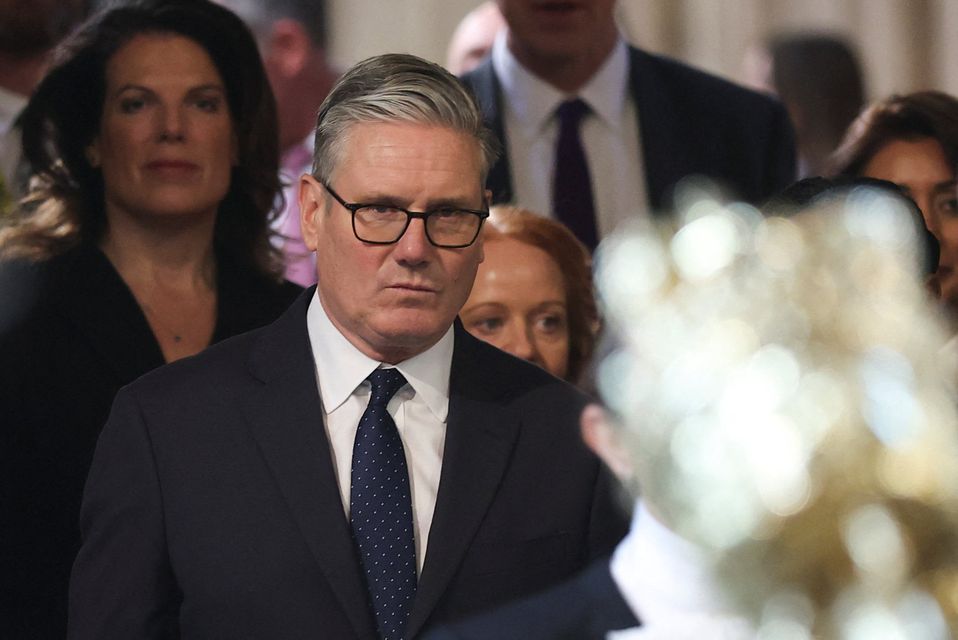
UK prime minister Keir Starmer. Photo: PA
Ireland’s comfortable ability to tap the bond market is in contrast to the UK, which has seen its bond yields spike this week to 30-year highs, as prime minister Kier Starmer’s grip on power appears to be slipping away. Disastrous local election results at the weekend saw the anti-establishment Reform Party on the right, and UK Green Party on the left, make big gains.
Even so, Irish borrowing costs are now well above the historic lows seen across much of the last decade, reflecting higher prevailing interest rates. On the markets, investors now think rates will go higher again.
On Wednesday, German government bond yields ticked higher for a fifth successive session, with investors expecting the European Central Bank (ECB) to deliver 75 basis points of rate hikes by the end of the year to tackle energy-driven inflation.
Hopes for a lasting peace deal in the Middle East dwindled and Tehran tightened its grip over the Strait of Hormuz. Ahead of a high-stakes summit in Beijing, US president Donald Trump said he did not think he would need to enlist Chinese president Xi Jinping to resolve the conflict.
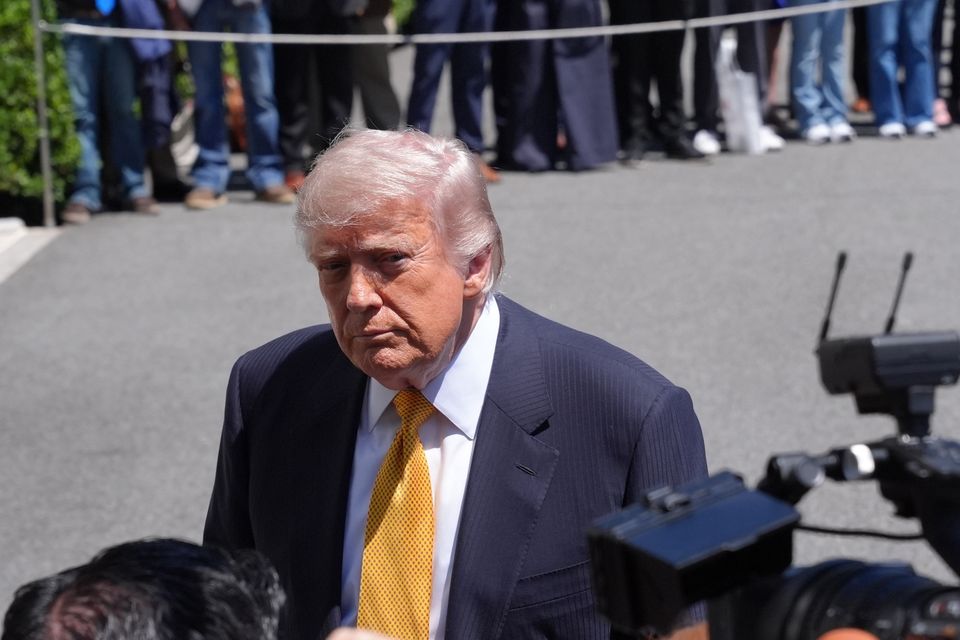
US president Donald Trump. Photo: AP
Germany’s 10-year government bond yield, the euro area’s benchmark, was about one basis point (bp) higher at 3.11pc on Wednesday. It reached 3.13pc in late March, its highest level since June 2011. Money markets priced in an ECB deposit facility rate at about 2.75pc by the end of the year from the current 2pc, while indicating a 90pc chance of a first move next month.
Meanwhile, investors are closely watching UK political developments, which are expected to sway gilts, with 10-year yields hitting their highest since the 2008 financial crisis on Tuesday.
“The worry is that pressure on prime minister Keir Starmer could eventually lead to looser fiscal policy, while higher energy costs are feeding expectations that the Bank of England may have to raise interest rates this year,” Matt Britzman, analyst at Hargreaves Lansdown, said.
“It’s a tough mix: higher borrowing costs, weaker confidence and less room for the government to offer support if the economy slows,” he added.
But yields on 10-year gilts fell on Wednesday, down 2 bps to 5.08pc, after hitting 5.13pc the previous day.
Those are borrowing costs Ireland last experienced in the run-up to the EU/IMF bailout.
Additional reporting, Reuters