
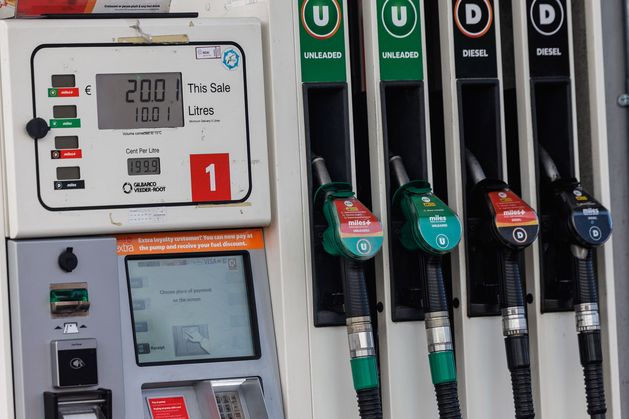
Rapidly rising prices for oil, resulting from the war in Iran, are putting massive pressure on the economy.
The Central Statistics Office recorded an inflation rate of 3.7pc in the year to April.
This was the highest annual rate of inflation since January 2024 when the rate of inflation was 4.1pc.
Prices are up around a quarter since the last energy crisis, prompted by the second Russian invasion of Ukraine, in 2021.
Consumer prices rose by 0.5pc in the month between March this year and April.
The inflation rate has been pushed up by higher costs for home-heating oil, electricity, rent payments and mortgage interest.
Education costs have also gone up due to a rise in third-level costs which came into effect last October.
This follows the effective increase in the student contribution fee this year.
The Government has reduced the student contribution fee by €500 this year. But last year it had been lowered by €1,000.
Higher prices for mobile phone services have also contributed to the higher level of inflation, the CSO said.
Food prices continue to rise
There were price increases in the year to April for sirloin steak.
It was up by €2.34 per kilo, and an 800g loaf of white sliced pan is 4c dearer.
There were decreases in the price of a pound of butter by 38c as global commodity prices for butter fell
Also down was a 2.5kg bag of potatoes, falling by 21c.
Irish cheddar, 2 litres of full fat milk and an 800g loaf of brown sliced pan all saw price drops when compared with April 2025.
The national average price for a litre of diesel in April was €2.17, the CSO said.
This is an increase of 45c on the same time last year.
Petrol prices increased by 16c to €1.91 a litre, senior CSO statistician Anthony Dawson said.
Health insurance costs are up by 8pc in the year after VHI, Irish Life, Laya and Level Health all increased premiums.
Meanwhile, wages are expected to rise 3.7pc in aggregate this year, but inflation is now tipped to be 4pc – and potentially much higher, if the Strait of Hormuz blockade continues. It means a drop in “real incomes” or buying power, according to AIB’s latest Irish Economic Outlook report.
The hit will mean more households have to dip into savings they have built up, and will put a dampener on consumer spending.
A fresh squeeze on household incomes is likely to weigh heavily on ministers in the run up to the October budget, with pressure already building for income tax relief and energy supports.
Wage growth had comfortably outpaced inflation in 2025 but even that still left most people worse off in real terms than at the start of 2021.
Prices are up around 25pc since the start of 2021 while wages, in aggregate, are up 20pc.
However, wage increases are not uniform across the economy. Workers in some sectors have seen little by way of increases – while areas such as tech and financial services saw big increases in the five years since the pandemic.