
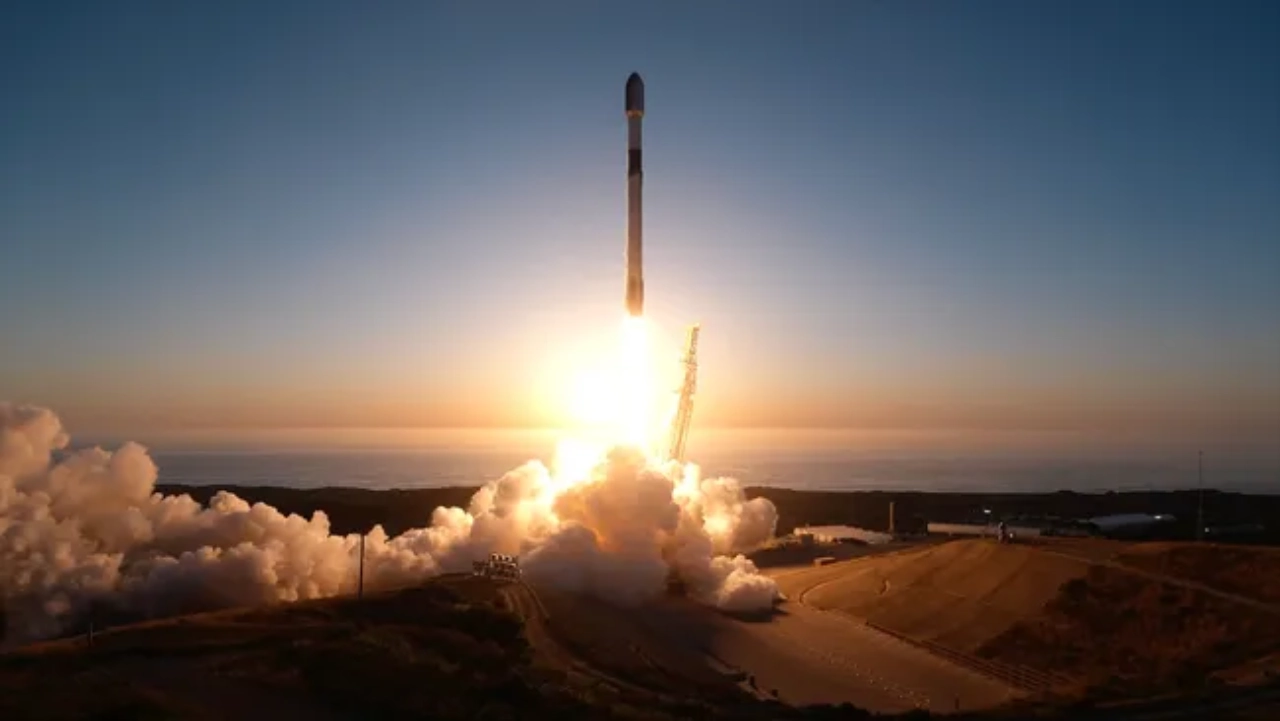
SpaceX has successfully launched another batch of 24 Starlink satellites, continuing the company’s relentless pursuit to build the world’s largest satellite internet network.
Reusable Falcon 9 boosters are continuing to land with near-routine precision. Additionally, SpaceX is strengthening its dominance in the global satellite internet race. The future of space-based connectivity is undoubtedly reshaped along with commercial launches, and orbital infrastructure.
SpaceX Launches 24 Starlink Satellites on Falcon 9 From California
It was from California’s Vandenberg Space Force Base. The mission is another milestone in SpaceX’s aggressive 2026 launch schedule. The company has close to 10,500 active Starlink satellites in low Earth orbit.
SpaceX pushed its mega-constellation closer to 10,500 active satellites while continuing its rapid 2026 launch pace. According to satellite tracker planet4589.org, the constellation is now approaching 10,500 active satellites. That number shows why competitors are struggling to catch up. Amazon’s Project Kuiper, OneWeb, and China’s Guowang are still in earlier scaling phases. But SpaceX is already operating at industrial-launch speed.
SpaceX Continues Starlink Expansion With 58th Launch of 2026
If we dive deep into it from a business perspective, Starlink is no longer just a side project funding for Mars missions. But it is one of the most valuable parts of SpaceX’s ecosystem. SpaceX satellite internet services are increasing because of AI-driven cloud services. Industry estimates suggest the satellite internet sector could cross hundreds of billions of Dollars over the next decade.
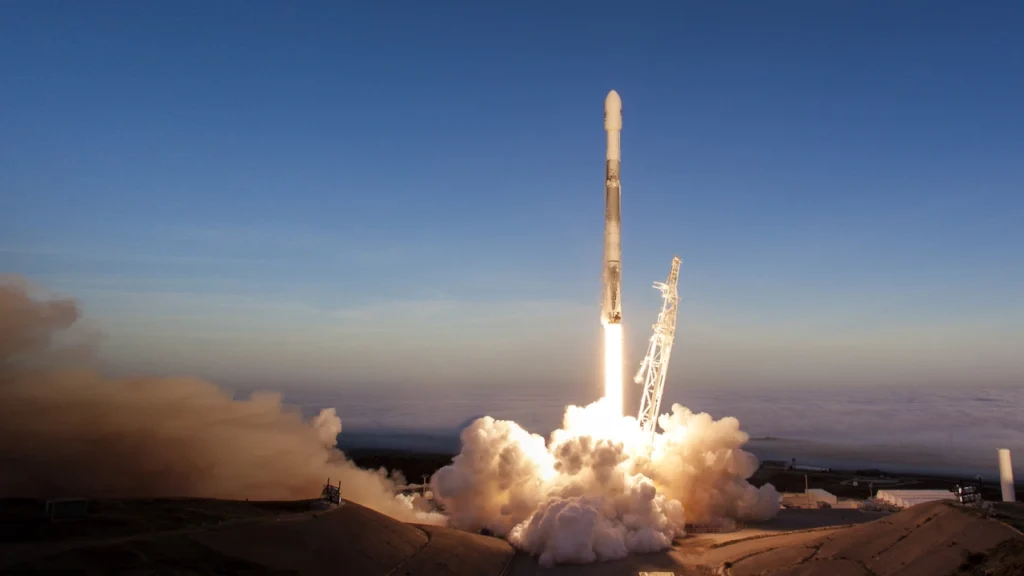 Image Source: SpaceX
There are interesting factors as well. When people constantly see Falcon launches are succeeding , it begins to feel like a very essential infrastructure. This is actually very similar to how people view Google Search or GPS today. This launch of another 24 Satellites has now added up to the actively working 10,500 satellites in orbit with the 58th launch completed in 2026 alone.
The Market Dynamics
At the same time, concerns are growing inside the astronomy community. Thousands of satellites increase orbital congestion and can interfere with telescope observations. Regulators worldwide are debating how much space traffic Earth orbit can handle over the long term.
Still, the broader picture is hard to ignore. SpaceX is building a vertically integrated system. Here it designs the rockets, launches the satellites, and operates the internet service. Eventually may connect it all with future Starship missions. Very few companies in history have controlled so many layers of one technological ecosystem simultaneously.
Final Verdict
Every few days another Falcon 9 goes up. Additionally new batches of Starlink satellites spread across orbit. The world barely pauses anymore. But underneath that routine is something bigger. A private company which is quietly building a global internet and launch infrastructure layer above Earth . It feels a little like watching highways being built in the sky one lane at a time. Most people only notice the rocket fire for a few minutes, but the real story is the network staying behind long after the launch is over.