

It’s an essential nutrient but new findings are giving doctors pause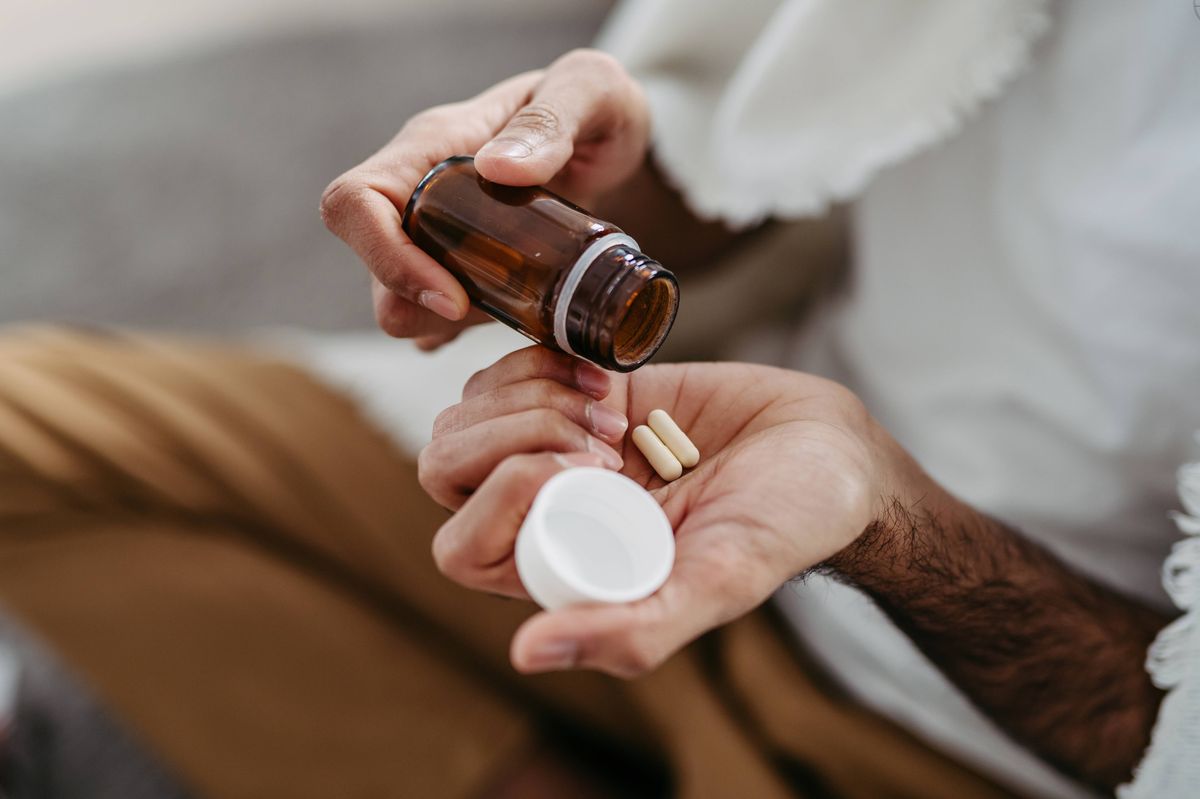
People have been warned of ‘megadosing’ or overdosing on B12 supplements(Image: Getty)
Vitamin B12 is absolutely essential for the human body. It supports the production of red blood cells, maintains proper nervous system function, and plays a vital role in how cells replicate and repair DNA.
Since the body is unable to produce it independently, B12 must be obtained through food. Should the body lack sufficient levels – which can occur for various reasons – it can trigger a broad spectrum of symptoms and ultimately lead to permanent damage.
A new report, however, has revealed a connection between cancer and B12 – highlighting that the primary cause for concern is having either too much or too little.
B12 occurs naturally in animal-based products including meat, fish, eggs, milk and cheese. Certain cereals and breads are also fortified with it, helping those who avoid meat to maintain adequate levels.
Most people following a balanced, varied diet consume the recommended amount, though vegans, individuals with particular gut conditions and older adults who absorb nutrients less efficiently may require supplements.
Writing on The Conversation website, Ahmed Elbediwy, Senior Lecturer in Cancer Biology and Clinical Biochemistry at Kingston University, and Nadine Wehida, Senior Lecturer in Genetics and Molecular Biology at Kingston University, explained the consequences of insufficient levels.
They said: “Without enough B12, things can go wrong, sometimes seriously, especially if deficiency is not recognised and treated.”
Regarding cancer, they clarified that the recent study produced some concerning findings: “In recent years, researchers have been asking whether high levels of B12 intake or high levels of B12 in the blood could be linked to cancer.
“The body is constantly making new cells. Every time a cell divides, it needs to copy its DNA accurately. Vitamin B12 is critical to that process. When levels are too low, DNA can be copied incorrectly, leading to mutations that, over many years, may increase the risk of certain cancers, particularly colon cancer. This is why B12 deficiency is taken seriously.
For all the latest breaking news headlines today, visit our website home page
“A 2025 case-control study from Vietnam found what researchers described as a U-shaped relationship between B12 intake and cancer risk, with both lower and higher intakes associated with increased risk. Because this kind of study can show an association but cannot prove cause and effect, the takeaway is not that B12 is dangerous. It is that balance matters.”
Regarding B12 as a potential safeguard against cancer, the scientists stated: “It might seem logical that if B12 helps healthy cells thrive, taking extra doses should offer extra protection against cancer. But research does not fully support this. Vitamin B12 supports cell growth generally, not only the growth of healthy cells.
“One concern is that, if pre-cancerous cells are already present, very high availability of growth-supporting nutrients such as B12 could, in theory, support their growth too. But this remains difficult to prove in humans.
“Overall, studies of high-dose B vitamin supplements taken over long periods have not shown clear protective effects against cancer incidence or cancer deaths.”
They noted that certain ‘observational research’ indicated a modest rise in lung cancer risk associated with prolonged, high-dose B6 and B12 supplementation, particularly amongst men and smokers, ‘although this kind of study cannot prove that the supplements caused the cancers’.
The connection between cancer and B12 was partly brought to light after doctors observed elevated levels in patients’ bloodstreams, though research in 2022 demonstrated that the B12 appeared alongside the illness – but did not trigger it.
Symptoms of vitamin B12 and folate deficiency anaemia include:
Vitamin B12 deficiency can also cause symptoms that affect your brain and nervous system (neurological symptoms), including: Testing can assist in identifying how the cancer is developing, they explained: “Researchers are also recognising that elevated B12 may not be a cause of cancer, but it could be a useful marker of whether cancer is present or progressing. A large 2026 study found that colon cancer patients with very high B12 levels survived a median of around five years, compared with nearly eleven years for those with normal levels.
“Similar patterns have been found in oral cancer and in patients receiving immunotherapy, where elevated B12 has been associated with poorer outcomes. This means that unexplained, persistent high B12, especially when it is not caused by supplements, should not be ignored. It may point to liver disease, blood disorders or an underlying cancer that has not yet been detected.
“For most people, this is not something to worry about. B12 from a normal diet containing meat, fish, eggs, dairy or fortified foods is not usually the issue: it is very difficult to consume too much B12 from food alone. Deficiency remains a more common and better-established problem than excess. The concern is prolonged high-dose supplementation without medical advice, or a blood test showing persistently high B12 when someone is not taking supplements.”
The researchers stated the key takeaway is ‘more is not better’ – and maintain a balanced diet and healthy lifestyle. Regarding B12, they added: “Get enough through food or supplementation if you need it, especially if you are vegan, older or have a condition that affects absorption. But leave the megadoses on the shelf unless a doctor advises them. With B12, as with many nutrients, the goal is not as much as possible. It is the right amount.”
Join Galway Beo’s top stories and breaking news service on WhatsApp.
Click this link to receive breaking news and the latest headlines direct to your phone.
We also treat our community members to special offers, promotions, and adverts from us and our partners.
If you don’t like our community, you can check out any time you like.
If you’re curious, you can read our Privacy Notice.