
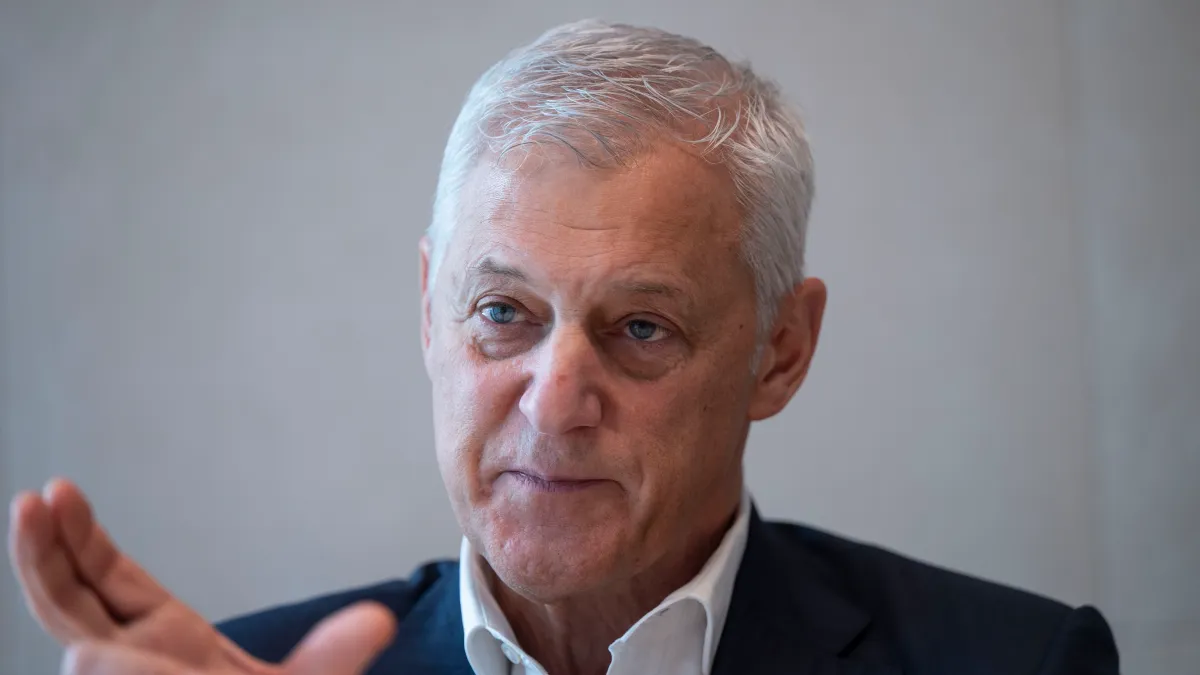
The Standard Chartered boss has apologised for saying artificial intelligence would replace “lower-value human capital” at the FTSE 100 bank just hours after doubling down on the controversial remarks that had caused a furore.
Bill Winters insisted on Friday that “I value our colleagues — all of them — most highly” but conceded that his comments on Tuesday, when the lender had revealed it would cut about 8,000 back-office roles as it adopts AI and other technology, had perturbed employees at the emerging markets-focused banking giant.
He wrote on the LinkedIn social networking site that he had faced “questions about my choice of words, which I know has caused upset to some colleagues”.
“For that I am sorry.”
However, the apology came just hours after Winters, an American who was paid £12.7 million last year, appeared to dig his heels in with an earlier post on Friday, when he reiterated that “lower-value roles are more vulnerable to automation”, adding: “We will continue to speak honestly about the impact of technological change.”
The chief executive’s mea culpa caps days of fury about his original comments, which provoked a storm of criticism, including from City shareholders in the London-based bank and Halimah Yacob, a former president of Singapore, who called his remarks “disturbing” and “demeaning”.
Singapore is an important market for Standard Chartered, which has about 9,000 employees there and counts Temasek, the Singaporean sovereign wealth fund, as its single biggest shareholder.
The London-based lender, which is one of the world’s biggest banks, has sprawling operations across Asia, Africa and the Middle East and employed about 82,000 people as of the end of last year. This included almost 52,300 staff in support services roles, and the business had revealed on Tuesday that it planned to cut more than 15 per cent of back-office positions by 2030.
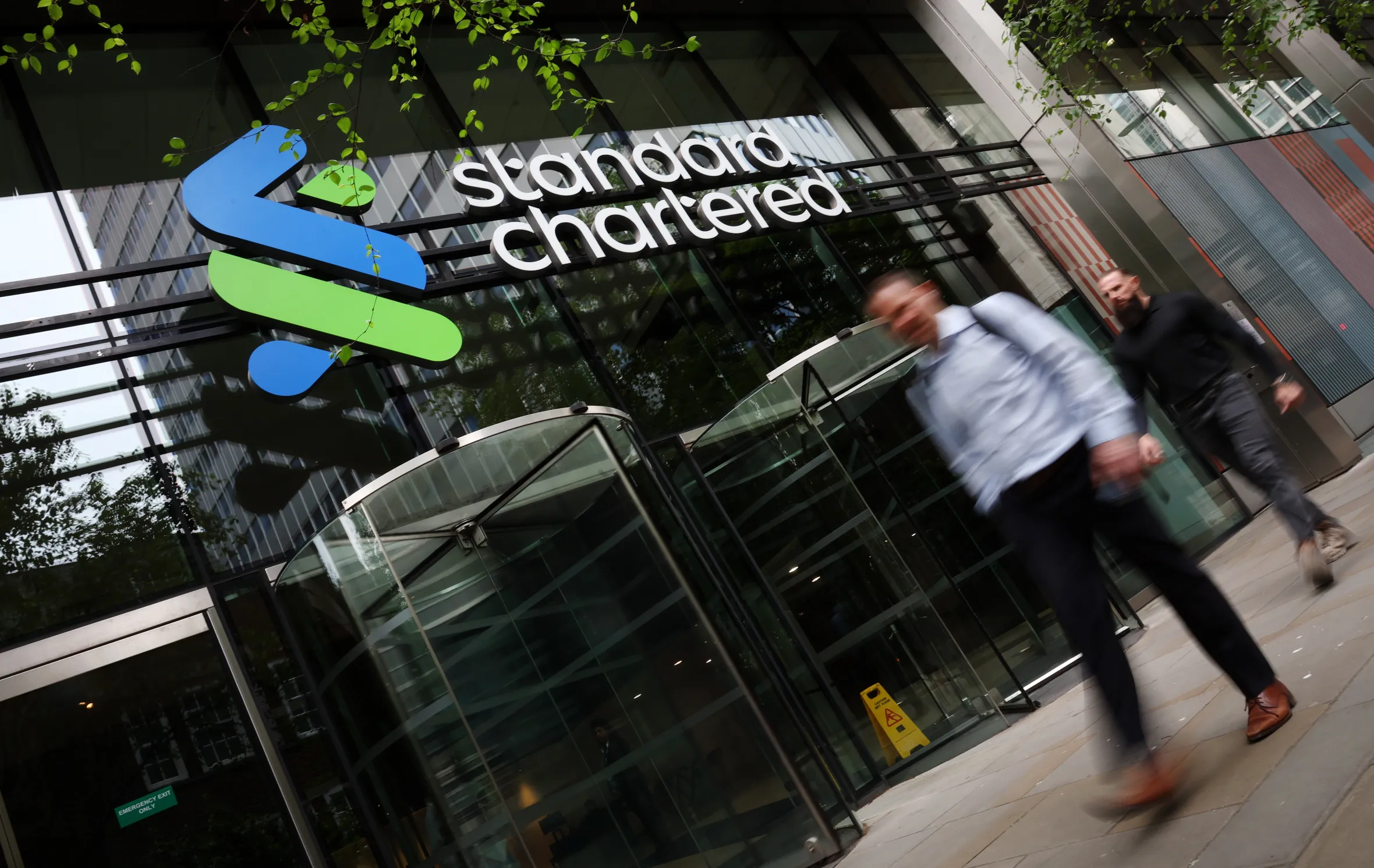 Standard Chartered’s headquarters in LondonEPA
In a briefing in Hong Kong, Winters, 64, had said the cuts would be driven by AI and other forms of automation and would affect staff working at hubs including at Bengaluru and Chennai in India and Kuala Lumpur in Malaysia. Jobs in areas such as human resources and compliance are among those at risk.
“It’s not cost-cutting, it’s replacing in some cases lower-value human capital with the financial capital and the investment capital we’re putting in,” Winters had said. “We don’t have job losses, but we do have job role reductions in favour of the machines, and that will accelerate as we go forward into AI.”
Winters had also said that the bank would help staff to re-skill so that some of them could find new roles within the group, a sentiment he repeated on Friday: “We are totally committed to helping them to cope with the accelerating pace of change in our industry.”
In a boost to Winters, Maria Ramos, Standard Chartered’s chairwoman, also publicly threw her weight behind her chief executive, saying: “Our people are absolutely central to our success and Bill has consistently championed that. Bill and his leadership team have my full support.”
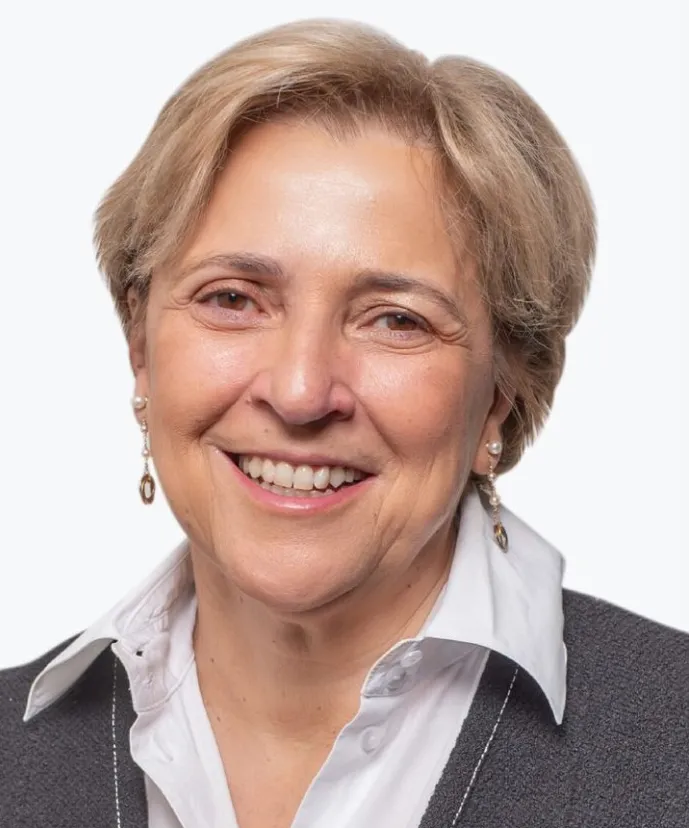 Maria Ramos
In a memo sent to staff on Wednesday, in which Winters had tried to reassure employees about his remarks, he had suggested that his comments may have been “unsettling” because they had been “reduced to simple headlines or a quote out of context”. On Friday he published a transcript of his remarks “which I hope allows for a better understanding of the important point I was raising”.
The backlash against Winters comes amid broader fears that rapidly developing AI models will eliminate swathes of human jobs.
It is also not the first time that Winters has courted controversy.
In 2019, when there was a shareholder revolt over his generous pension arrangements, he inflamed tensions by calling investors “immature and unhelpful”. He also raised eyebrows two years ago when he described the bank’s share price at the time as being “crap”. The stock has since risen sharply, thanks in part to a cost-cutting turnaround pushed through by Winters.
He has run Standard Chartered for 11 years, making his tenure the longest of any chief executive of Britain’s big lenders. There was speculation in the City earlier this year over how much longer he intended to stay at the business, which Winters sought to quash in February by insisting that he planned to deliver the bank’s long-term strategy, although he did not say how long that would take.
Standard Chartered generated pre-tax profits of about $7 billion last year and is valued by the stock market at almost £43 billion.