
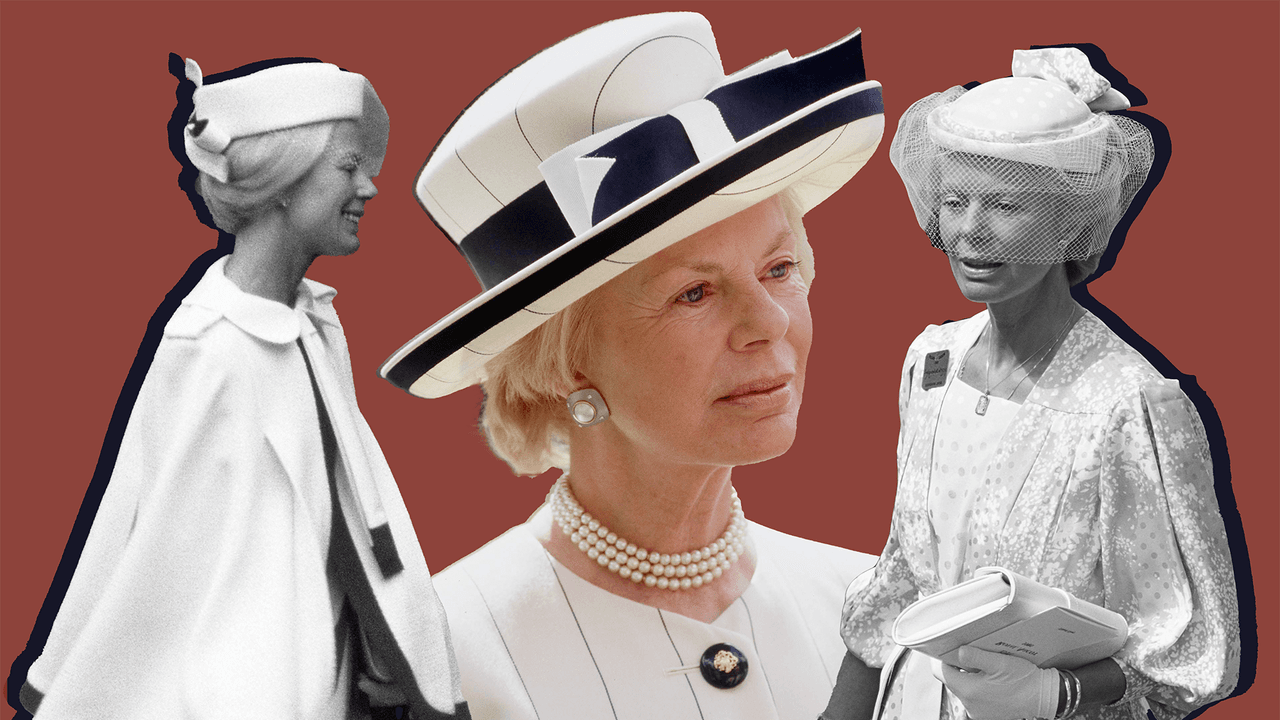
The Kents began married life at Coppins in Iver, near Windsor, the home Prince George inherited from his aunt, Princess Victoria, where, as a young widow on her own, Princess Marina had brought up the duke, Princess Alexandra and Prince Michael. Later, they moved to Anmer Hall in Norfolk, which again they loved.
The duchess’s daughter, Lady Helen Taylor, said that in those days the foreign travel was long and her mother found it difficult being away from her children for occasional extensive periods of time. She was sensitive to the suffering of others. If she went to Helen House hospice and sat with a dying child, it took a lot out of her. She would drive Helen to school at PNEU in Datchet from Coppins. One time, a school friend inadvertently shut the duchess’s finger in the car door. ‘She was playing the piano a lot then, and so had to have the tip of her finger sewn back on,’ said Helen. She also remembered how her mother loved clothes, which gave her confidence when doing her public duties: ‘At the end of each season, she sold all her clothes to finance buying new ones.’
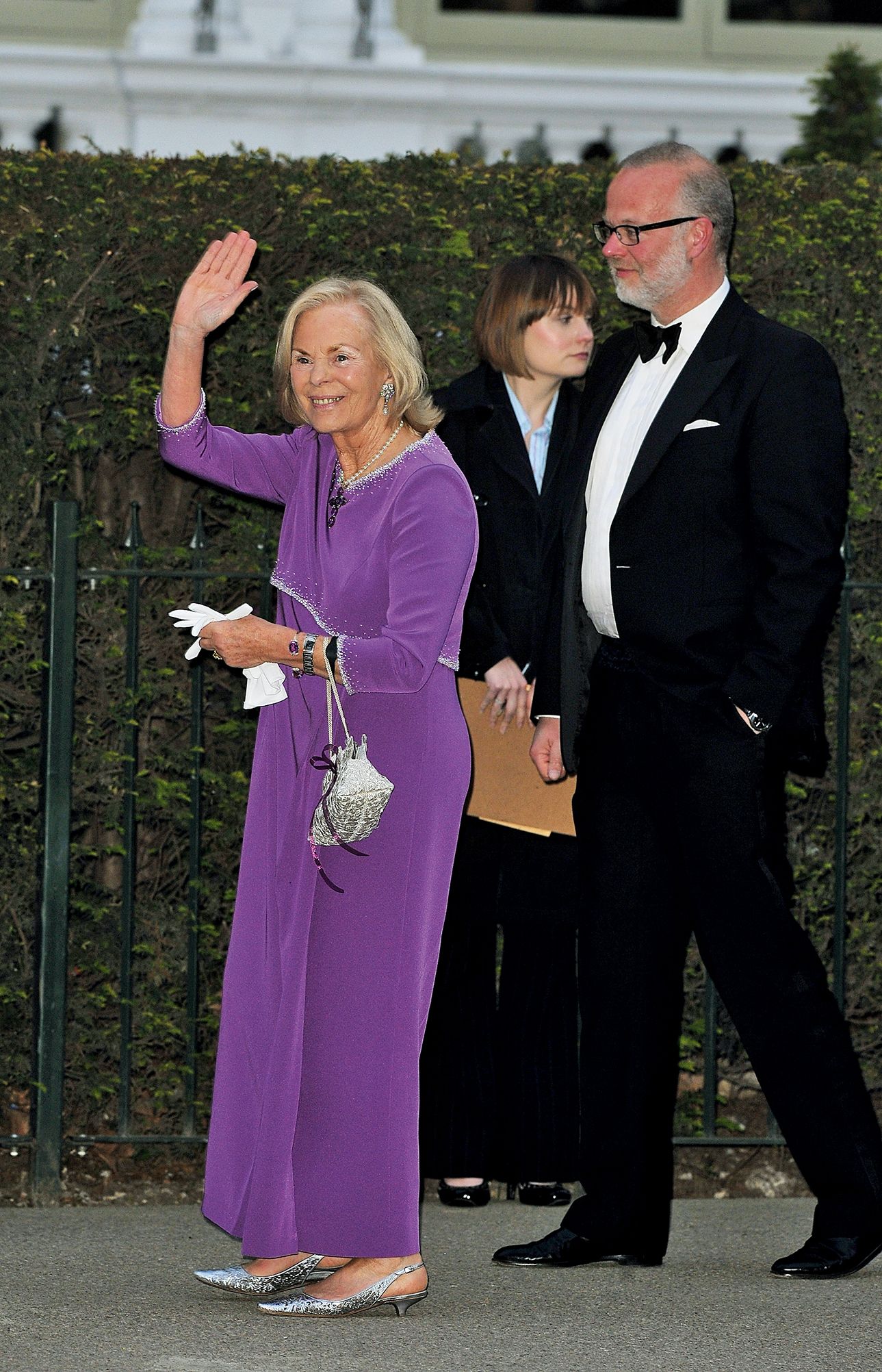
The Duchess of Kent at a gala in London with her son, the Earl of St Andrews, in 2011
Pascal Le Segretain/Getty Images
In 1994, the duchess asked the Queen’s permission to convert to Roman Catholicism. She had terminated a pregnancy on medical advice and then suffered a miscarriage in 1977. The unhappiness that followed this caused her to reflect on her faith. She undertook a pilgrimage to Walsingham with Robert Runcie, then Archbishop of Canterbury. In due course, this led her to talks with Bishop Gordon Wheeler of Leeds, and in turn to Cardinal Basil Hume, Archbishop of Westminster. He had been Abbot of Ampleforth, which was near her childhood home in Hovingham. He admitted her into the Catholic Church in 1994.