

Over 50% of women with heart attack symptoms are initially misdiagnosed, often requiring multiple hospital visits before receiving correct treatment.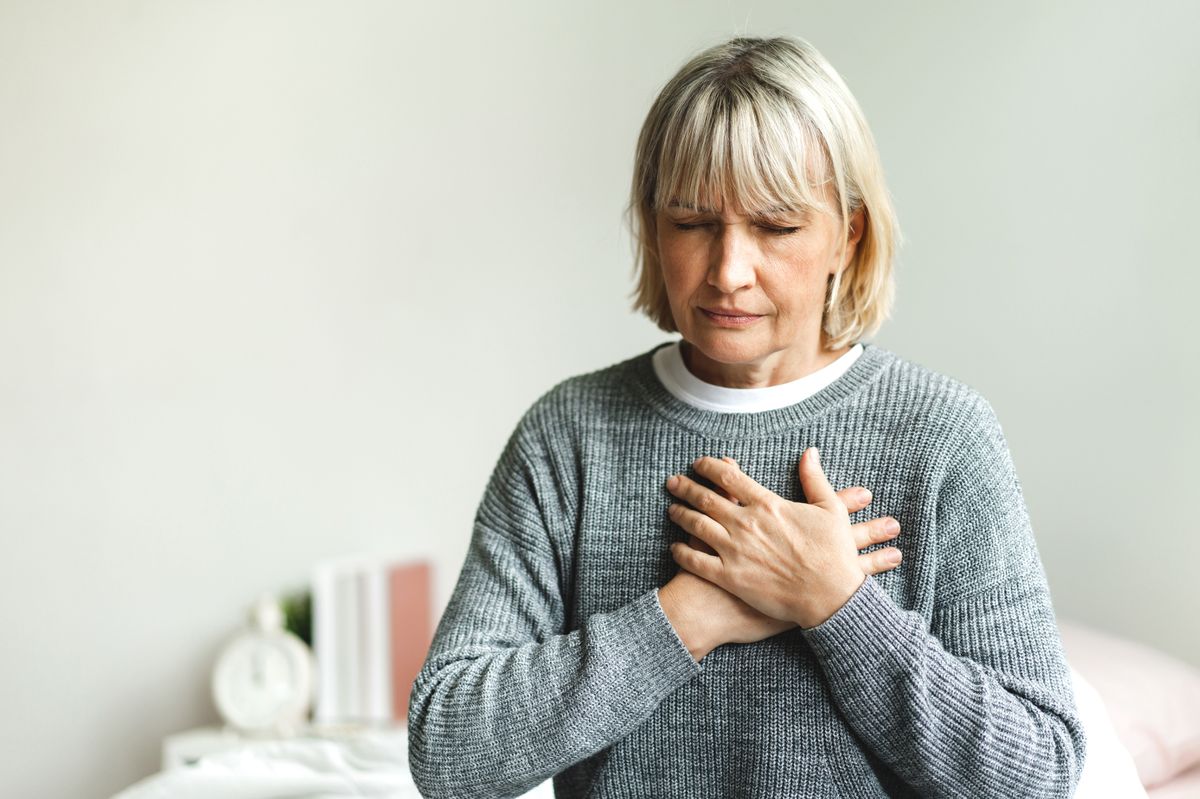
Research has revealed that cardiac arrest can look very different for women(Image: Getty Images/iStockphoto)
Many women don’t realise they’re at risk of heart disease until it’s too late – and experts have warned outdated stereotypes are partly to blame.
Consultant cardiologist Dr Sorcha Allen of Blackrock Health says over 50% of women with heart attack symptoms are initially misdiagnosed because heart disease has long been viewed as a condition that mainly affects men.
Speaking to Dr Caoimhe Hartley as part of the ‘Her Health’ podcast series, she said women often require multiple hospital visits before receiving the correct treatment.
She explained why recognising the warning signs and understanding the risk factors unique to women could save lives.
The awareness gap
Dr Hartley revealed that Cardiovascular disease kills more women than men each year, yet it’s still widely seen as a predominantly male issue.
Dr Allen advises that this was due to the misconception that stems from decades of clinical trials that focused on men.
Medical training was built on the foundation that heart disease impacts men over the age of 55 with specific, “typical” risk factors.
This has led to the misconception that heart disease isn’t a “woman’s issue” in the same way breast cancer or menopause is.
She also mentioned that because they don’t look like the “classic” male presentation, they can be dismissed or result in delayed diagnosis.
In cardiology, health services are trying to move away from the terms “typical” and “atypical”, because “atypical” symptoms are completely typical for half of the population.
Recognising the symptoms in women
Dr Allen revealed there are many symptoms women can look out for.
The most common symptom is profound fatigue and a decrease in exercise tolerance.
Other symptoms include a shortness of breath during routine activities and sleep disturbances, particularly in the two weeks leading before a heart attack, chest discomfort described as band-like pressure and heartburn in upper abdomen.
Pregnancy and menopause as risk factors
Standard cardiovascular risk calculators assess shared factors like blood pressure, cholesterol, age, smoking and ethnicity but miss risks unique to women.
Dr. Allen said: “We are missing a standardised, gender-specific risk calculator, because of this, we aren’t screening women as thoroughly as we should be.”
She revealed three critical red flags in pregnancy history that significantly increase cardiovascular risk later in life.
Preeclampsia, eclampsia, or gestational hypertension: Women who have high blood pressure during pregnancy are at a significantly higher risk of developing chronic hypertension and heart failure down the line.Gestational diabetes: This incurs a high risk of developing Type 2 diabetes and general cardiovascular disease later in life.Preterm delivery: Delivering a baby before 37 weeks is directly linked to a higher risk of coronary artery disease and heart attacks.
She said: “Medical guidelines actually state that any woman who experiences these pregnancy-related complications should receive a cardiovascular screen about six months after delivery.”
Managing symptoms
Dr Allen said: “Palpitations during menopause are often part of benign vasomotor symptoms (like hot flushes).
“However, they become red flags if they are accompanied by dizziness, lightheadedness, chest tightness or chest pain.
“If palpitations last for a long time and don’t resolve quickly, they need to be checked out to rule out an underlying heart rhythm issue.”
Heart health advice for women in their 40s and 50s
Dr Allen recommends a three-step approach:
Get your blood pressure checked regularly. Do not write off high readings as “white-coat hypertension”—if it’s high, it needs to be managed.Talk to your doctor about your family history of early heart disease, any pregnancy complications you experienced, and any autoimmune/inflammatory conditions (like rheumatoid arthritis or lupus) you may have.Focus on eating whole, fresh foods 80% of the time, and avoid ultra-processed foods. When it comes to exercise, consistency is key. You don’t need to run marathons; 20 to 30 minutes of brisk walking five times a week is phenomenal. Additionally, include weight-bearing or resistance exercise to protect your bones and muscles.
Listen back to the podcast, ‘Heart Health in Women: When Symptoms Are Missed, Dismissed or Delayed” on Spotify and other major podcast platforms.
Subscribe to our newsletter for the latest news from the Irish Mirror direct to your inbox: Sign up here.