Software
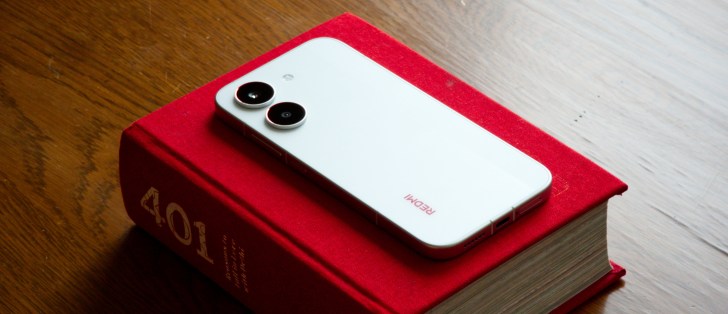
The Redmi Turbo 5 comes with Xiaomi HyperOS 3 running on top of Android 16. The company has promised four years of major updates and six years of security updates.
HyperOS 3 is a familiar face, since the design hasn’t changed much over previous versions, nor MIUI for that matter. Then there’s also the elephant in the room where it is still overwhelmingly designed around iOS, and things like the Settings app are the least Android-like among its peers. If that’s the sort of thing that bothers you, then you might not get along with HyperOS.
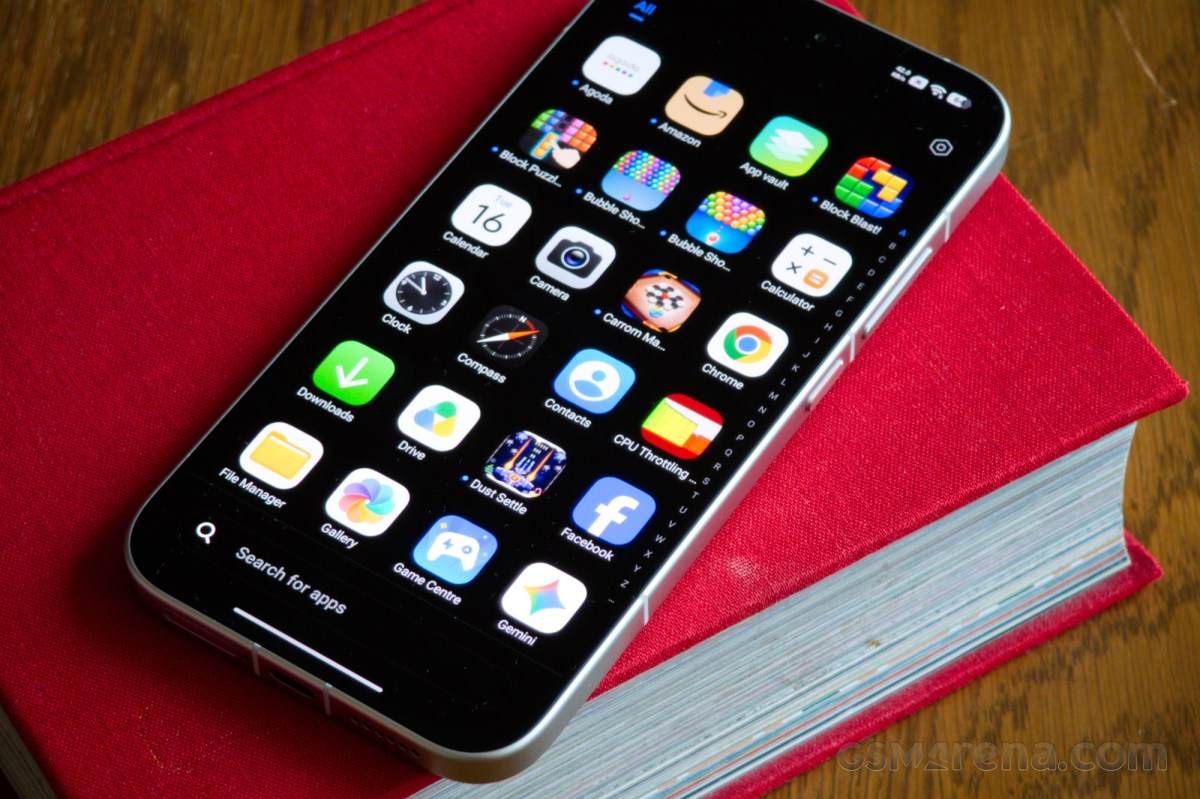
Still, there is a lot to like here. The OS is packed with a lot of features, and it’s also quite customizable, with support for elaborate themes that change major parts of the visual design. There’s also good multitasking support, as well as interoperability with Xiaomi’s tablets. The only thing that we missed out on was native AirDrop support, something the other brands are slowly starting to adopt.
What sours the experience a bit is the enormous amounts of ads and bloatware packed into the device. Several of Xiaomi’s apps will show an ad as soon as you open them, with some apps like the Music player showing ads in place of the album art. There is also a lot of promotional content built-in from various other brand partners. And as for bloatware, we counted 22 apps, mostly games, that came pre-installed on the phone. That’s a third of the total apps that come installed on the device, and the only saving grace here is that you can uninstall all of them.

Uninstall all the bloatware, disable all the ads and recommendations wherever possible, make some visual tweaks, and you finally have something that you can be reasonably happy with. However, that is work most people won’t put in or don’t know how, and that’s why the out-of-the-box experience on this phone, as with many other Redmi devices, can feel quite rough at times.
Performance
The Redmi Turbo 5 runs on the MediaTek Dimensity 8500 Ultra chipset, which is a pretty great choice for this segment. It is accompanied by either 8GB LPDDR5X or 12GB of LPDDR5X Ultra memory, and only 256GB UFS 4.1 storage on the Indian model.
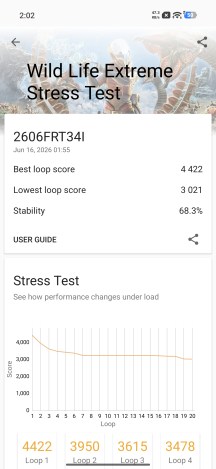
The Dimensity 8500 Ultra on the Redmi Turbo 5 offers class-leading performance and runs circles around the Snapdragon 7s Gen 4 that infests this segment. The only thing better is the Snapdragon 8s Gen 4 in the Nord 6, but that phone is considerably more expensive now after multiple price hikes, and is no longer in the same conversation.
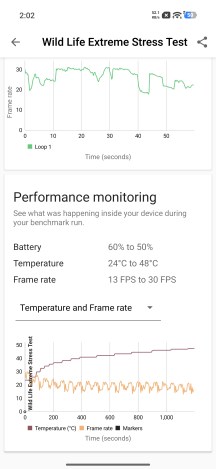
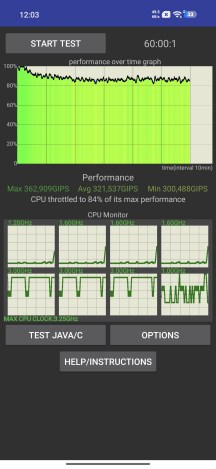
What’s also impressive about the phone is that it is able to maintain most of its performance under heavy load. The phone does get warm to the touch, but not uncomfortably so.