
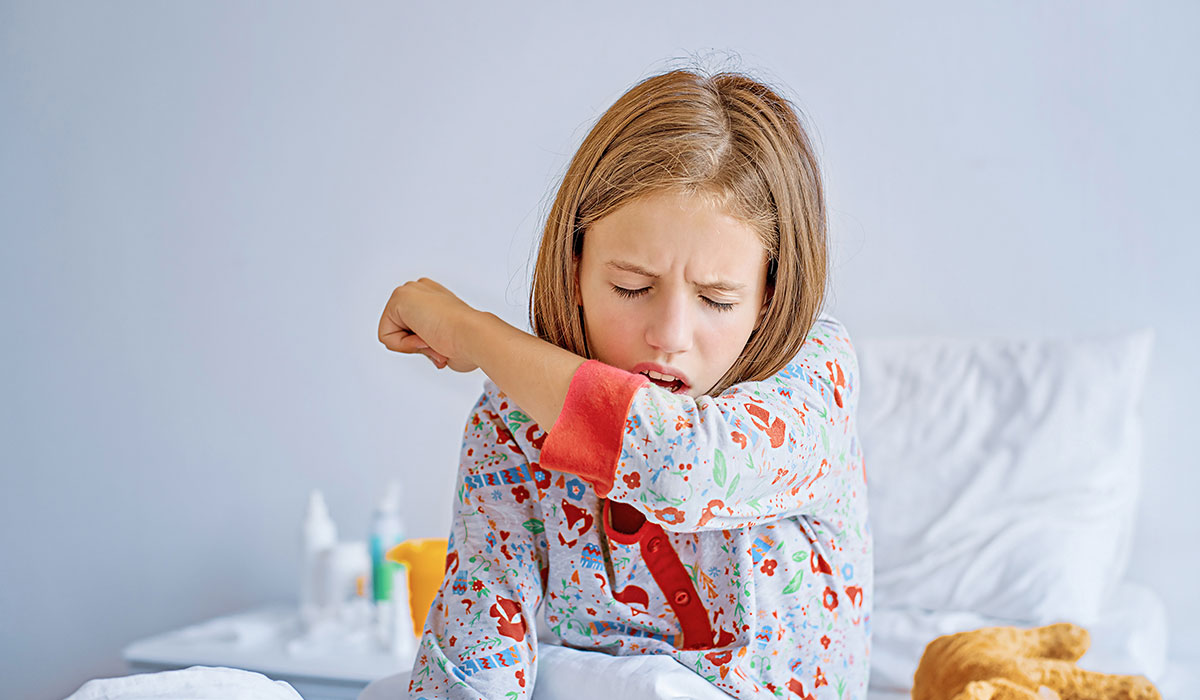
Thousands of children are poisoned every year in Ireland, so accidental poisonings are pretty common. But they are also pretty scary.
Every year, the National Poisons Information Centre (NPIC) receives thousands of inquiries about accidental poisoning in children. Most are under the age of five.
Accidental poisoning in children sounds scary but it’s actually more common than you might think. Poison expert Patricia Casey, the manager of NPIC says that it’s not really surprising because children are so curious about their world, and it’s instinctive for them to put things in their mouths.
She says, ‘It’s a normal part of childhood for children to eat and drink things we wouldn’t think of.’
RELATED: Five surprising ways children are accidentally poisoned at home
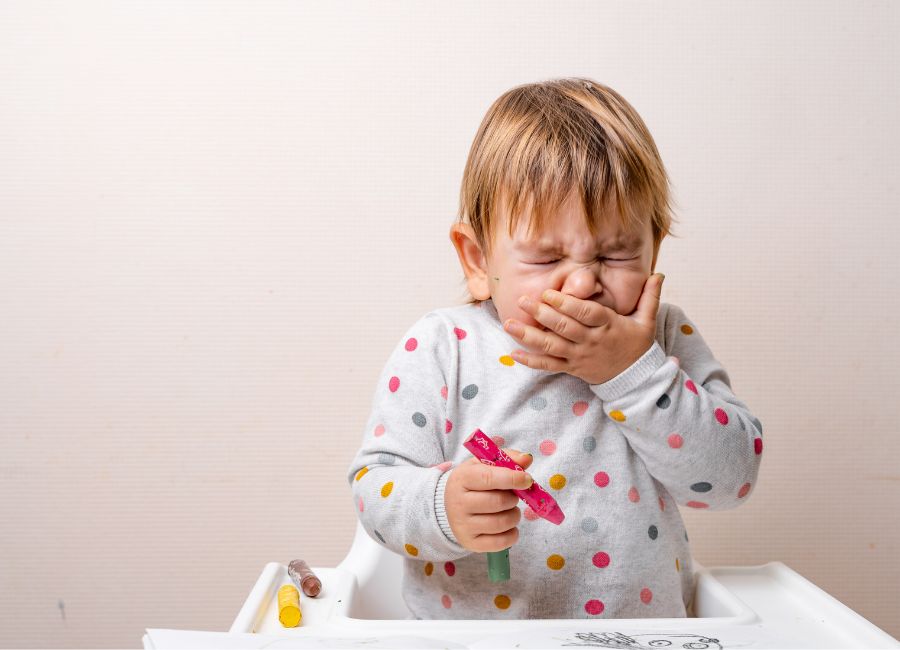 Thousands of children are poisoned every year in Ireland
Some of the most common products the NPIC get calls about include:
In the home:
Medicines – particularly ones that every household has, like ibuprofen, paracetamol and especially the ones made for children.
Household cleaning products – they get a lot of calls relating to laundry detergent capsules
Reed diffusers – children drink the liquid
Hand sanitisers – most common in recent times!
In the garden:
The garden products that are typically stored in the garden shed
Plants
Berries
Slugs and snails
Patricia says that you should be aware of what is growing in your garden, as it makes it much easier for experts to assess the situation if they know what they are dealing with.
RELATED: 15 crucial safety tips parents need to follow when visiting pet farms
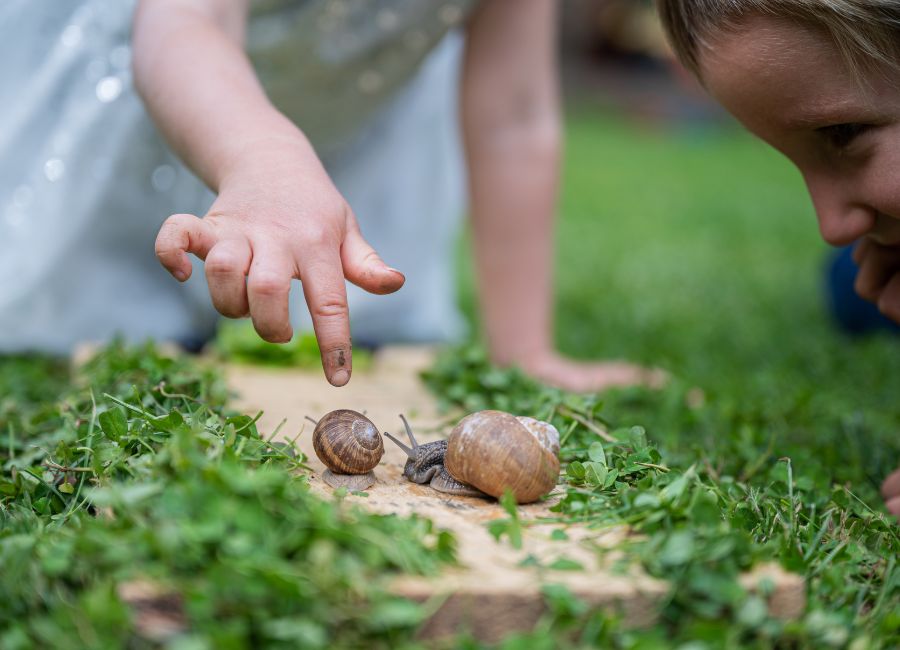 Thousands of children are poisoned every year in Ireland
She has these steps to take to prevent accidental poisoning in children from occurring:
Keep household and garden products and chemicals out of sight and out of reach of children.
Keep products in their original containers – it can be tempting to transfer the last of a liquid from a big container into something smaller, like a water bottle, but this raises the risk of it being ingested by a curious little one.
Make sure that lids are placed securely on hazardous products when not in use.
Teach children to check with the adults looking after them to check if something is safe. Talk to them about not putting things into their mouths.
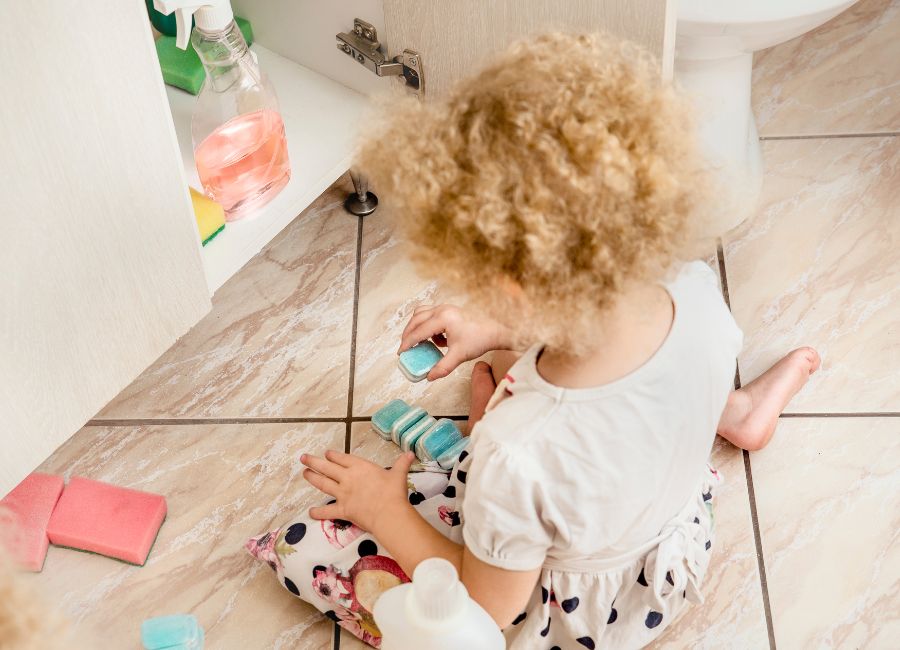 Thousands of children are poisoned every year in Ireland
This is what to do if you suspect your child has ingested something they shouldn’t have.
Take a moment, and assess what has happened
If you can see the substance still in their mouths, try to get the child to spit it out
If the substance is on their skin, wash it off well
If they are ‘looking ok and smiling happily’, ring the poison helpline where the expert will ask some questions and give advice on whether or not there is a need to go to the hospital or if they can watch the child at home.
If you can, have the container available when you’re on the phone; sometimes, there is useful information on the label that can help them know what they are dealing with.
NEVER try to make a child vomit.
‘It’s one of those things that seems instinctive for people to do, but it can cause more harm than good. It’s really not recommended at all.’
According to CPR First Aid, ‘Inducing vomiting is no longer standard first aid and is discouraged in most poisoning cases due to risks of aspiration, throat injury, and worsening exposure.’
They say that, when ingested, corrosive substances (like cleaners and battery acid) can cause severe burns to the oesophagus and mouth. Petroleum-based products (like petrol, kerosene, and paint thinner) pose a high risk of inhalation and life-threatening lung complications.
The Poisons Information Line is open every day from 8 am to 10 pm. Call 01 809 2166.
Share your thoughts on this story or any other over on our discussion boards.