
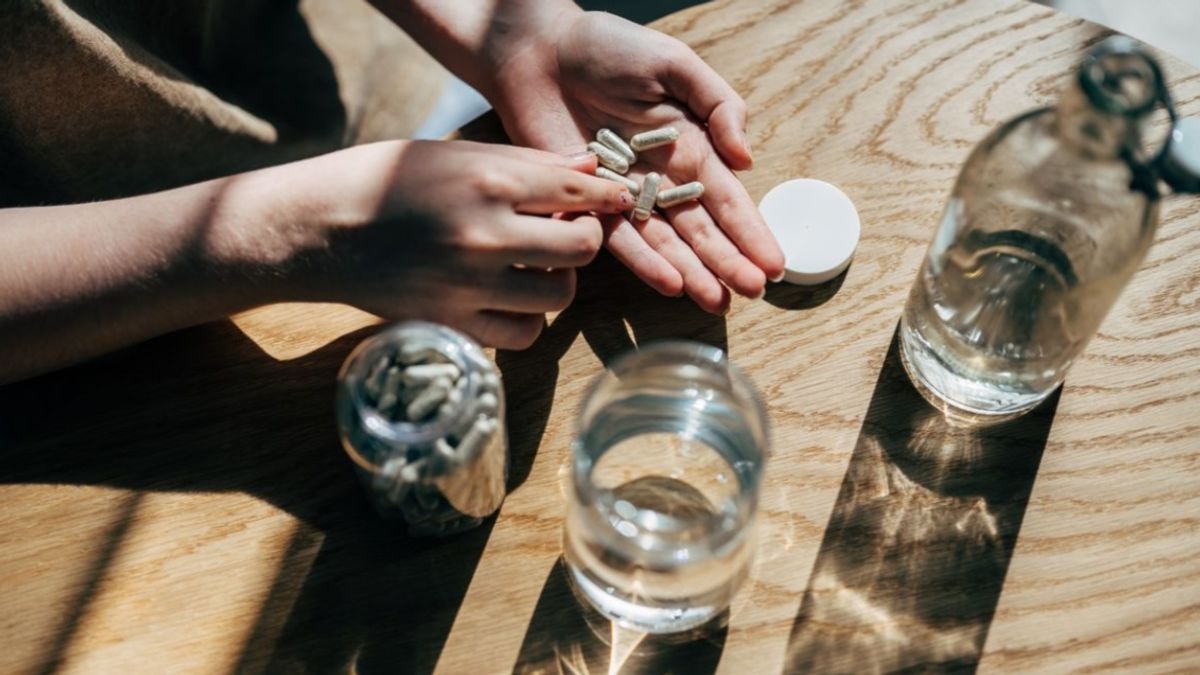
With temperatures set to soar to as high as 34°C during this week’s heatwave, health experts are sharing important guidance on heatwave medication safety, warning that 8 commonly prescribed medications — including antidepressants, antihistamines and insulin — could be affected by the extreme heat
16:20, 23 Jun 2026Updated 18:14, 23 Jun 2026
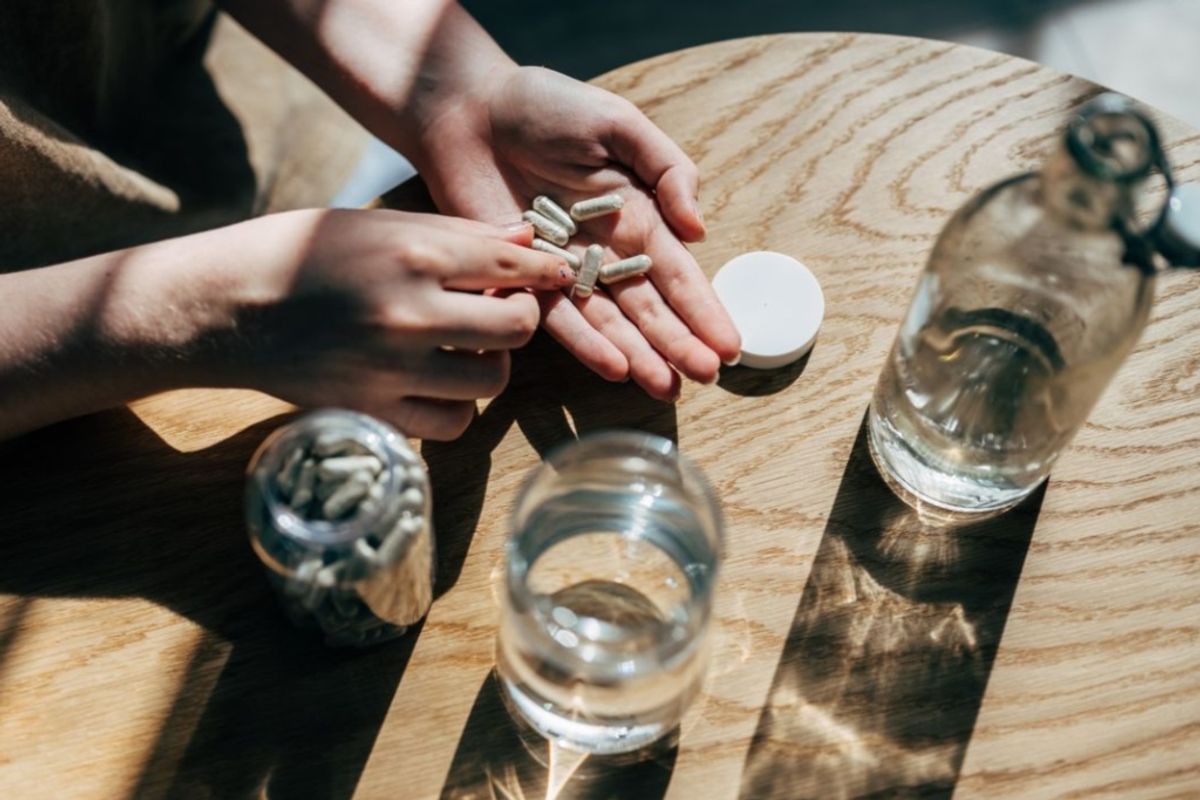
Warnings have been issued due to rising temperatures
Millions of individuals taking antidepressants, antihistamines, insulin and other widely used medications are being advised to exercise additional caution as soaring temperatures could heighten the risk of dehydration, overheating and sun sensitivity.
With temperatures forecast to climb as high as 34°C during this week’s heatwave, health professionals are cautioning that 8 commonly prescribed medications could be impacted by the extreme heat, potentially placing millions of people in danger.
Met Éireann has issued a Status Yellow high temperature alert from Tuesday from 12pm and will remain in place until 9am on Friday and specialists say extreme temperatures could influence how certain medications are stored or elevate the risk of dehydration and overheating.
Rhysa Phommachanh, Health Specialist at Landys Chemist, identifies the 8 common medications that could be affected during the heatwave:
Insulin: Insulin can become less effective if it is exposed to high temperatures, as heat can cause it to degrade and reduce its ability to properly control blood sugar levels.EpiPens (adrenaline auto-injectors): EpiPens can become less stable if stored above the recommended temperature of 25°C, which may reduce the reliability of the dose in a life-threatening allergic reaction.Inhalers (asthma medication): Asthma inhalers can be affected by heat because pressure changes inside the canister may alter how the medication is released, potentially reducing the accuracy of dosing.Diuretics (water tablets): Those taking water tablets may see an increase in urine output and fluid loss, which can contribute to dehydration more quickly in hot weather and make it harder for the body to maintain normal temperature balance.Antihistamines: Antihistamines can have a drying effect on the body and may reduce sweating, which limits the body’s ability to cool itself effectively in high temperatures.Antidepressants: Some antidepressants can interfere with the brain’s regulation of body temperature and sweating, increasing the risk of overheating or heat exhaustion.Antibiotics: Certain antibiotics (such as those commonly used for infections) can cause photosensitivity, making the skin react more strongly to UV light and increasing the risk of sunburn.Acne treatments: Acne treatments, including retinoids, can thin or sensitise the outer layer of skin, making it more vulnerable to UV damage and sunburn in strong sunlight.
Rhysa adds: “Most medications should be stored in a cool, dry place. Exposing them to high temperatures in parked cars, direct sunlight, or humid bathrooms can cause them to degrade and fail to work properly. Always check your patient information leaflet for specific storage instructions, stay well hydrated, apply high-factor sunscreen, and definitely speak to a pharmacist if your medicine changes colour, smell, or texture.”, reports RSVP Live.
Join Galway Beo’s top stories and breaking news service on WhatsApp.
Click this link to receive breaking news and the latest headlines direct to your phone.
We also treat our community members to special offers, promotions, and adverts from us and our partners.
If you don’t like our community, you can check out any time you like.
If you’re curious, you can read our Privacy Notice.