
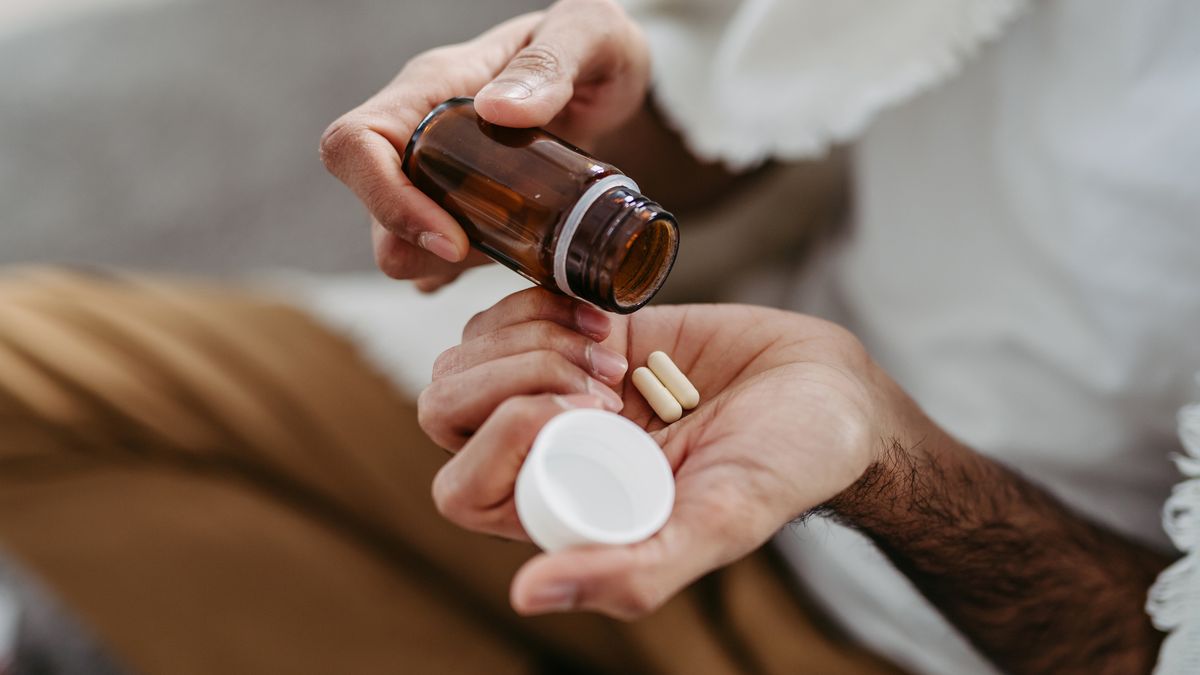
A health specialist has revealed eight common medications that can affect people during the heatwave.
Medication
The scorching hot weather is in full swing across Ireland this week, with temperatures reaching up to 31C across Ireland.
Health Specialist at Landys Chemist, Rhysa Phommachanh, has revealed the 8 common medications that can affect people during the heatwave.
1. Antihistamines
The over-the-counter and prescription Antihistamines can have a drying effect on the body and may reduce sweating, which limits the body’s ability to cool itself effectively in high temperatures.
2. Insulin
Insulin can become less effective if it is exposed to high temperatures.
This causes the heat to degrade and reduce its ability to properly control blood sugar levels.
3. EpiPens (adrenaline auto-injectors)
EpiPens can become less stable if stored above the recommended temperature of 25°C, which may reduce the reliability of the dose in a life-threatening allergic reaction.
4. Inhalers (asthma medication)
Asthma inhalers can be affected by heat because pressure changes inside the canister may alter how the medication is released, potentially reducing the accuracy of dosing.
5. Diuretics (water tablets)
Those taking water tablets may see an increase in urine output and fluid loss, which can contribute to dehydration more quickly in hot weather and make it harder for the body to maintain normal temperature balance.
6. Antidepressants
Some antidepressants can interfere with the brain’s regulation of body temperature and sweating, increasing the risk of overheating or heat exhaustion.
7. Antibiotics
Certain antibiotics (such as those commonly used for infections) can cause photosensitivity
This results the skin reacting more strongly to UV light and increasing the risk of sunburn.
8. Acne treatments
Acne treatments, including retinoids, can thin or sensitise the outer layer of skin.
This makes the skin more vulnerable to UV damage and sunburn in strong sunlight.
Rhysa said: “Most medications should be stored in a cool, dry place. Exposing them to high temperatures in parked cars, direct sunlight, or humid bathrooms can cause them to degrade and fail to work properly.
“Always check your patient information leaflet for specific storage instructions, stay well hydrated, apply high-factor sunscreen, and definitely speak to a pharmacist if your medicine changes colour, smell, or texture.”
Subscribe to our newsletter for the latest news from the Irish Mirror direct to your inbox: Sign up here.