

A health expert has shared a simple rule that may help lower high cholesterol levels and protect heart health — and it involves eating one type of food just twice a week
Health expert has shared the best foods to eat and exercises to do that help boost heart health and lower cholesterol – stock photo
A health expert, who previously worked as a nutritionist at Arsenal, has revealed a rule he strongly recommends anyone with high cholesterol should follow when attempting to reduce their levels. Richard Allison is a Performance Nutritionist and Clinical Dietitian.
He is a registered dietitian with the British Dietetic Association and a member of the Sport and Exercise Nutritionist Register (SENr).
It is widely recognised that high cholesterol can present various health risks, and as many as six out of 10 adults in the UK have high cholesterol. This means that tens of millions of people are affected, and many of them aren’t even aware of it, since it typically shows no obvious symptoms.
Excessive levels of ‘bad’ (non-HDL) cholesterol in your bloodstream can lead to fatty deposits known as plaque on the walls of your arteries (atherosclerosis). This process narrows your blood vessels, substantially limiting blood flow and dramatically increasing your chances of suffering a serious heart attack or stroke.

The health expert recommended the common food(Image: Getty)
The most effective ways to reduce high cholesterol are primarily through positive, healthy diet and lifestyle modifications. Richard Allison suggests that people follow a rule to improve their chances of lowering high cholesterol: eat one type of food just “twice a week”
What is the ‘twice a week’ rule to boost heart health?
Richard advises: “Eat oily fish twice weekly for omega-3s”. Omega-3 fats are a type of fat that our bodies require to stay healthy.
They are especially beneficial for heart health, and eating them may help lower the risk of heart attacks and strokes.
Heart UK states: “Omega 3 fats are a type of unsaturated fat – the type of fat that’s good for your cholesterol levels. The other main type of fat is saturated fats, which raise your cholesterol levels. For a heart-healthy diet, it’s good to swap saturated fats for unsaturated fats.”
According to the organisation, in countries where people consume more oily fish, such as the Mediterranean, Greenland, and Japan, fewer people suffer from heart disease than in countries where people eat very little oily fish, such as the UK.
Oily fish is the finest source of Omega-3 fats. Heart UK advises: “Aim to eat two portions of fish per week, at least one of which should be oily. A portion is 140g, but you could have two or three smaller portions throughout the week.”
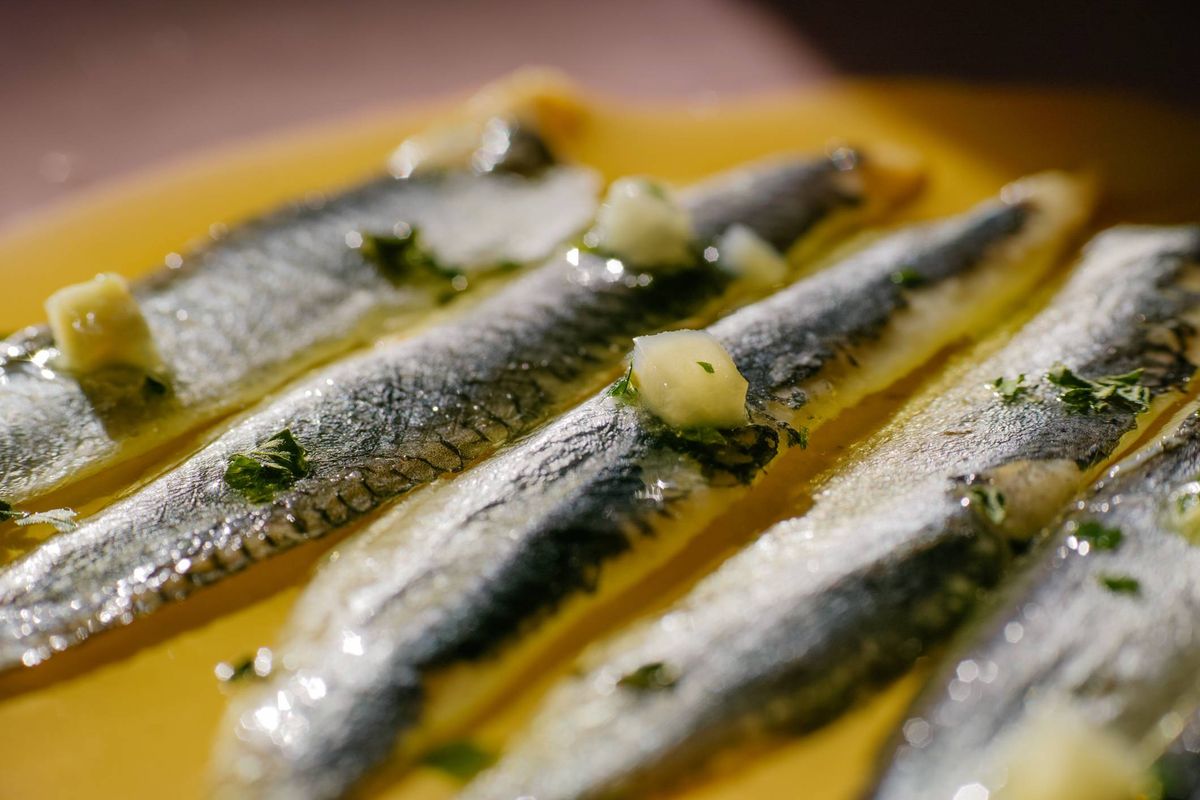
Oily fish is a good source of Omega-3
All oily fish contain omega-3 fats. You can select from fresh, tinned or frozen fish.
The following are all excellent options.
What diet and lifestyle changes help reduce high cholesterol?
Other measures he recommends include: “Reduce saturated fats (found in red meat, full-fat dairy, and processed foods) to below 20-30g daily, replacing them with unsaturated fats. Secondly, eat at least five portions of fruits and vegetables daily, whole grains, and foods high in soluble fibre (for example, porridge, lentils) to lower LDL by 5-10%. And lastly, limit added sugars and salt.”
Regarding exercise, Richard states: “Aim for 150 minutes of moderate aerobic exercise (such as brisk walking, cycling) plus strength training twice weekly. This raises HDL and lowers LDL, with studies showing benefits within weeks.”
Richard also recommends people quit smoking and limit alcohol consumption. “Smoking lowers HDL, so quitting can increase it by 10%. Keep alcohol below 14 units weekly, as excess can raise triglycerides and contribute to dysfunctional HDL”, he explained.
He emphasises it is also crucial to maintain a healthy weight. “Losing 5-10% of body weight if overweight, as this can improve lipid profiles. Use BMI (below 25 kg/m2) or waist circumference (below 94cm for men, 80cm for women) as guides,” he stated.
“Get regular check-ups, attend NHS Health Checks, or visit your GP.”

High cholesterol is referred to as the “silent killer” (Image: Surrey Live )
What is the difference between HDL and LDL cholesterol levels?
HDL cholesterol assists in eliminating excess cholesterol from the bloodstream, carrying it to the liver for disposal, while LDL cholesterol can accumulate in arteries, contributing to atherosclerosis. Striking a balance generally means maintaining higher HDL levels in relation to lower LDL levels to support cardiovascular health.
NHS guidelines for healthy cholesterol levels for adults in the UK are:.
LDL itself is not always measured directly but is often targeted below 3 mmol/L in general populations, or lower (for example, below 2.6 mmol/L after a heart attack or stroke). These ranges may vary slightly based on individual risk factors, such as age, diabetes, or family history.
How can you ensure balanced cholesterol levels?
Richard Allison advises that having a regular blood test (lipid profile) through your GP is essential for monitoring levels. This measures total cholesterol, HDL, LDL, and triglycerides to calculate your overall cardiovascular risk.
Richard also recommends following a heart-healthy diet rich in soluble fibre (for example, oats, beans, fruits), unsaturated fats (including avocados, nuts, olive oil), and omega-3s (such as oily fish, such as salmon). He further emphasises that regular physical activity (at least 150 minutes of moderate exercise per week) can raise HDL by up to 10% and lower LDL.
Why can high levels of HDL cholesterol do more harm than good and lead to heart disease?
Richard explains that while moderate HDL levels offer protection, emerging peer-reviewed research suggests a paradoxical “U-shaped” association: exceptionally elevated HDL levels (generally exceeding 2.07 mmol/L or 80 mg/dL) may heighten the risk of mortality and cardiovascular events, potentially negating the advantages. This contradicts the conventional belief that “higher is always better”.
Subscribe to our newsletter for the latest news from the Irish Mirror direct to your inbox: Sign up here.