
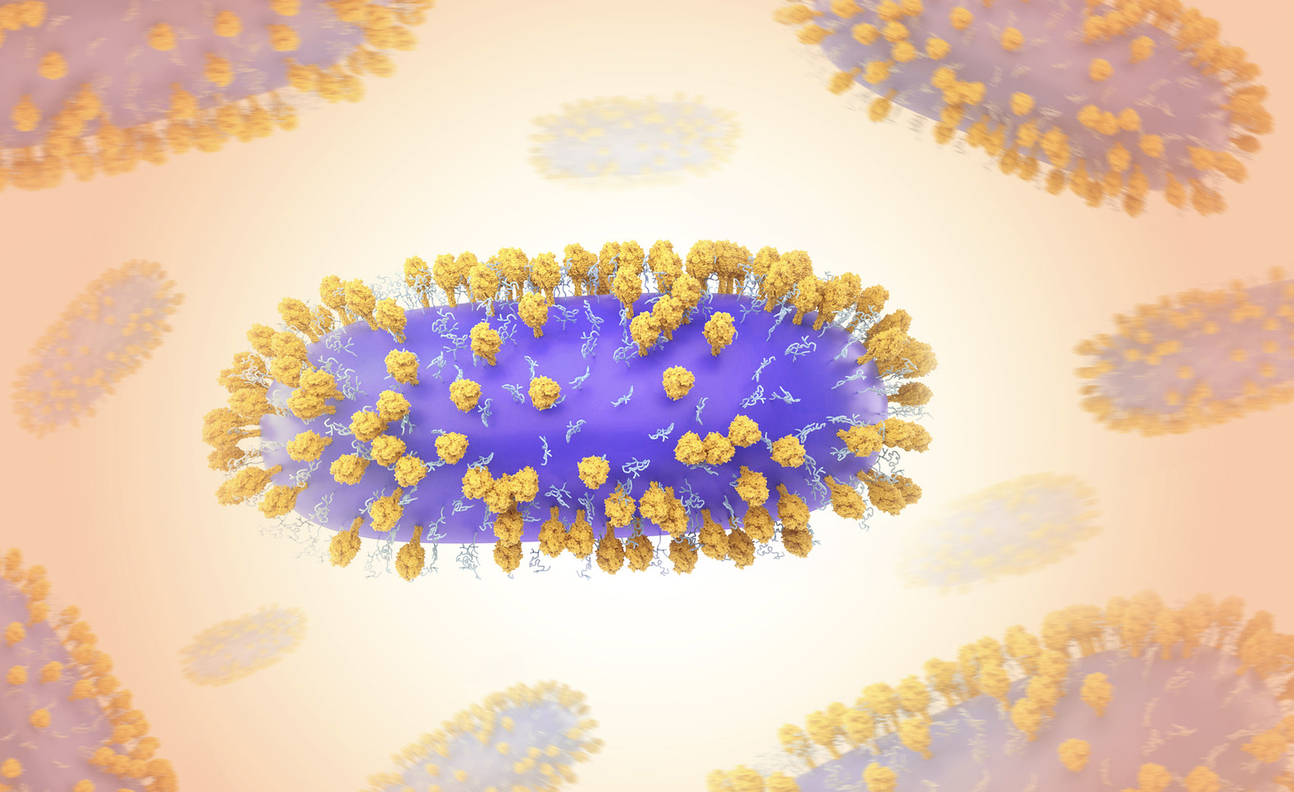
A massive, global review of mRNA vaccines has shown that they are very effective and safe. Reporting in The Lancet, researchers used data from laboratory experiments, clinical trials, and public health to show that mRNA vaccines give people strong protections against a variety of viral infections including SARS-CoV-2 (the cause of COVID-19), influenza, respiratory syncytial virus (RSV), and illnesses like some types of cancer and some autoimmune disorders, without serious side effects.
“After billions of doses, we now have an extraordinary amount of scientific evidence,” said first study author Dr. Anna Blakney, an assistant professor at the Michael Smith Laboratories and School of Biomedical Engineering of the University of British Columbia. “This review affirms that mRNA vaccines are a safe and highly effective platform, supported by rigorous testing and real-world monitoring. It provides an evidence-based foundation as this technology continues to expand into new areas of medicine.”
The study authors are hopeful that this work will provide policymakers with evidence that supports the continued development of these vaccines.
The work also noted that a common misconception about mRNA vaccines is that they can affect the genome, but in fact they do not alter DNA at all. The mRNA encodes for a portion of a protein of interest, which is produced by the cellular machinery; this protein then stimulates the immune system to produce antibodies against it. Those antibodies can then attack viral or other target proteins with the same amino acid sequence.
“This is really about what comes next. We’re seeing the same platform being applied to cancer treatment and other diseases. Understanding how these vaccines work, and why they’re safe, helps build confidence in the next generation of medicines,” added Blakney.
“People should feel empowered to ask questions about their health and what they put in their bodies.”
A new study published in Science Immunology highlights the potential of mRNA vaccines. There are cells known as cytotoxic effector CD8 T cells, which are part of the adaptive immune system of the human body; they can attack dangerous cells, such as those that are infected with viruses, or affected by cancer. This study showed that mRNA vaccines can be used to redirect those cells to specific targets, with a lipid nanoparticle technology.
A mouse model was used to show that mRNA conjugated with this lipid complex could target as much as 95% of cytotoxic effector CD8 T cells. These mRNA vaccines could, potentially, be used to fight a variety of diseases.
Sources: University of British Columbia, The Lancet, Science Immunology