

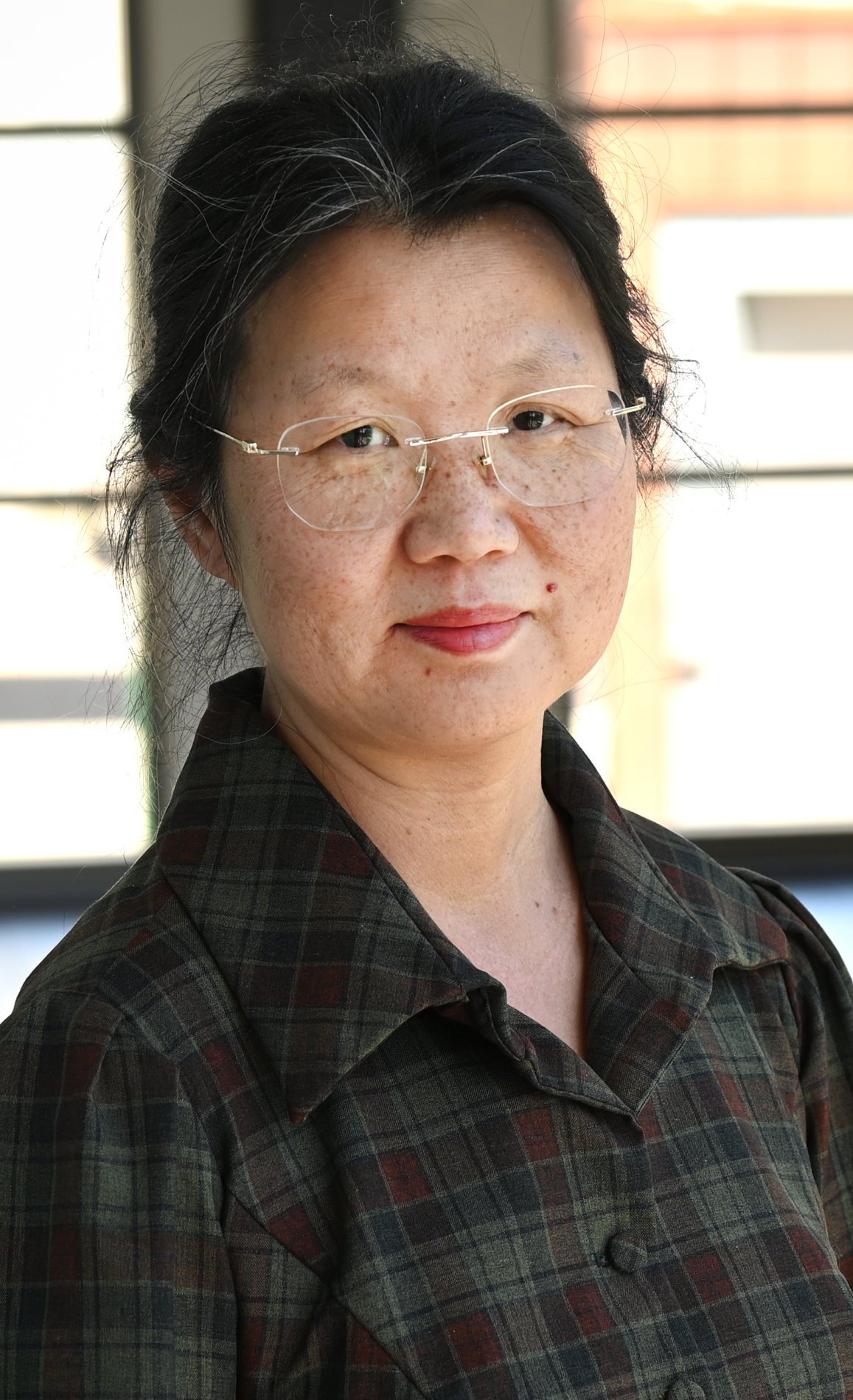
Marie Stenmark Askmalm, associate professor and researcher in cancer epidemiology at Lund University and senior oncology consultant at Skåne University Hospital, Sweden.
Image source: Lund University; photo: Åsa Hansdotter
Expertise regarding these diagnoses is often limited among healthcare professionals. Furthermore, the lack of harmonised diagnostic coding in health information systems can result in delayed diagnosis, fragmented care, and suboptimal treatment.
“Rare diseases are often characterised by complex clinical presentations affecting multiple systems, sometimes in combination with intellectual impairment, which can present barriers to patient advocacy. Many patients endure a long diagnostic journey before receiving a correct diagnosis and appropriate care,” says Marie Stenmark Askmalm, Associate Professor and researcher in cancer epidemiology at Lund University and Senior Consultant in Oncology at Skåne University Hospital.
Dr. Stenmark Askmalm notes that current healthcare structures are often not designed to manage such complex diagnoses, particularly when multiple medical specialties must collaborate. There is a critical need for a registry that collects patient data and records shared variables in a standardised manner. Data from this national quality registry can contribute to the development of national clinical guidelines, assisting physicians in making accurate diagnoses and providing evidence-based treatment.
In 2023, Dr. Stenmark Askmalm was tasked by Sweden’s National Programme Area for Rare Diseases to lead the development of this registry. RaraSwed is now being gradually implemented across the Swedish healthcare system. It consolidates structured information on molecular genetic diagnosis, diagnostic coding, clinical symptoms, genetic findings, disease progression, and treatment. These data are utilised for research and the continuous development of healthcare quality.
“I love quality registries – they are essential because they provide empirical evidence rather than anecdotal reports. This is fundamental to Sweden’s national system for knowledge-driven management within healthcare, which aims to ensure that care is based on research evidence, follows national clinical guidelines, and reduces regional disparities,” says Marie Stenmark Askmalm.