
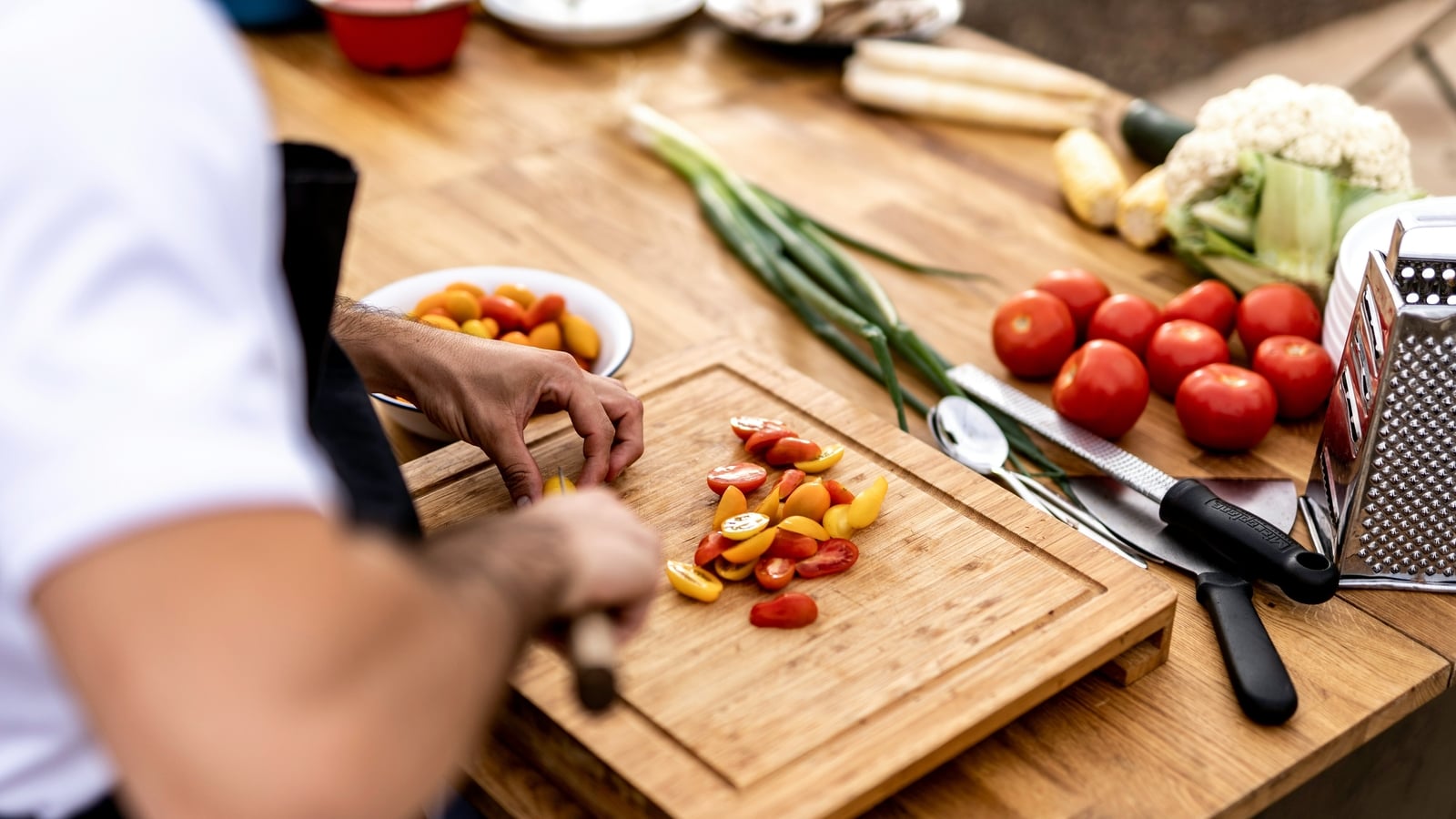
Analysis: If independent restaurants continue to disappear, Irish consumer choices may become poorer over time
By Catarina Marvão, UCD
Earlier this month, the VAT rate on qualifying restaurant and catering services fell from 13.5% to 9%. For many restaurants, this is welcome. It may ease some pressure on margins and help some businesses remain viable. But it would be a mistake to see the VAT cut as a complete solution to the problems facing Irish restaurants.
VAT is not the whole story
A deeper issue is that different kinds of restaurants are struggling very differently. If rising costs force independent restaurants out of the market while larger chains and lower-cost formats survive, consumers may still have somewhere to eat. However, the market they are left with may be narrower, more standardised and less connected to local producers.
Ireland has seen a visible wave of restaurant closures in recent years. Each closure is usually discussed as an individual business failure: a rent increase, a staffing shortage, energy bills, insurance, VAT, food costs, or changing consumer habits. But taken together, these closures point to a wider market-structure problem.
We need your consent to load this rte-player contentWe use rte-player to manage extra content that can set cookies on your device and collect data about your activity. Please review their details and accept them to load the content.Manage Preferences
From RTÉ Radio 1’s Drivetime, new 9% VAT rate introduced for cafes, restaurants and hairdressers
The price of doing things properly
The restaurants most exposed are often those trying to do precisely what many consumers value (at least in theory): cook from scratch, buy from Irish producers, use local and seasonal ingredients, pay skilled staff, offer free-range or organic produce, and maintain a distinctive dining experience.
Those choices are more than branding decisions. They are cost decisions. A restaurant that buys Irish meat, local vegetables, artisan bread, free-range eggs or organic dairy faces a different cost base from a business built around standardised supply chains, bulk purchasing and highly processed inputs. The independent restaurant may offer higher quality, more variety and stronger links to the local economy. But it also has less bargaining power, less scale, and much less room for error.
When scale beats quality
Competition is not just about the number of firms in a market. It is also about the type of firms that can survive. A city may appear to have plenty of food outlets, but if the businesses disappearing are independent restaurants and the businesses expanding are mainly large chains, convenience formats and platform-dependent takeaways, then the nature of competition has changed.
We need your consent to load this rte-player contentWe use rte-player to manage extra content that can set cookies on your device and collect data about your activity. Please review their details and accept them to load the content.Manage Preferences
From RTÉ Brainstorm, what’s happening to Irish restaurants?
Large chains have many advantages. They can negotiate better prices from suppliers, spread marketing and compliance costs across many outlets, centralise administration, standardise menus, and use data to optimise pricing, staffing and stock. They can also absorb temporary losses in one location more easily than a single-site restaurant can.
Labour costs are another example. Restaurants are labour-intensive, but small independents often have less scope to automate, standardise or spread staffing costs across multiple outlets. A chain can use central kitchens, ordering technology, scheduling software, self-service systems and machinery to reduce labour requirements. A small restaurant built around table service, skilled cooking and daily preparation cannot adjust in the same way without changing what it is.
Cheap meals can come at a cost
Independent restaurants often compete on quality, atmosphere, creativity and local identity. They cannot always compete on price. A small restaurant using Irish-only ingredients or better-quality meat may face input costs that make it impossible to match the price of a large fast-food meal. If consumers are under pressure, they may understandably choose the cheaper option.
We need your consent to load this rte-player contentWe use rte-player to manage extra content that can set cookies on your device and collect data about your activity. Please review their details and accept them to load the content.Manage Preferences
From RTÉ Radio 1’s CountryWide, could more adventurous fish choices make us more food secure?
But low prices also shape expectations. When large chains or supermarkets offer cheap meals, promotions or meal deals, they influence what consumers think food should cost. An independent restaurant charging more for labour-intensive cooking and better ingredients may then look expensive, even when the price simply reflects the true cost of production.
In economics, we often think about lower costs as efficiency, but not all low costs are the same. A cheaper meal made with different ingredients, different labour input and a different service model may just be a different product altogether.
Closures are not always failure
This does not mean policy should protect every restaurant from failure. Some restaurants will close because demand is insufficient, the concept no longer works, or costs are badly managed. However, when closures become widespread, and when the burden falls disproportionately on independent, quality-focused or locally embedded businesses, policy should ask whether the playing field is being shaped by factors beyond normal competition.
We need your consent to load this rte-player contentWe use rte-player to manage extra content that can set cookies on your device and collect data about your activity. Please review their details and accept them to load the content.Manage Preferences
From RTÉ Radio 1’s The Business, Sean Crescenzi and Jamie McCarthy of Hera, Juno, Crudo, and Achara talking about opening four restaurants in the past few years
VAT is only part of this story. A lower VAT rate can reduce pressure on margins. Yet it does not solve high commercial rents, insurance costs, energy volatility, labour shortages, planning barriers, or the bargaining power of large suppliers and digital platforms. Nor does it guarantee that savings will be passed on to consumers. In a sector under severe cost pressure, many restaurants may use the VAT reduction simply to survive.
What are we leaving consumers with?
The policy question should therefore be broader than “will menu prices fall?” A better question is: what kind of restaurant market do we want Ireland to have?
If the answer is a market with independent restaurants, local producers, varied cuisines, healthier food, skilled hospitality jobs and vibrant town centres, then we need to recognise that these outcomes may not emerge automatically from price competition alone.
We need your consent to load this rte-player contentWe use rte-player to manage extra content that can set cookies on your device and collect data about your activity. Please review their details and accept them to load the content.Manage Preferences
From RTÉ Radio 1’s Today with David McCullagh, why are restaurants finding it so hard to train chefs?
The VAT cut may help. But Ireland’s restaurant crisis is also a competition issue, a local economy issue, and a consumer choice issue. If independent restaurants continue to disappear, our streets, diets, local suppliers and consumer choices may become poorer over time.
The danger is not that Ireland will run out of places to eat, but that the places left standing will increasingly be those best able to compete on scale, standardisation and cost — rather than those trying to compete on quality, locality and care.
Follow RTÉ Brainstorm on WhatsApp and Instagram for more stories and updates
Declaration of interest: the author’s husband runs an independent restaurant in Dublin.
Dr. Catarina Marvão is an Assistant Professor in the School of Business at UCD, affiliated Faculty at the Stockholm School of Economics and a Research Affiliate at the Central Bank of Ireland.
The views expressed here are those of the author and do not represent or reflect the views of RTÉ