
Need to knowTonight, Sunday July 12, will see a brilliant star-like object blazing over Irish skies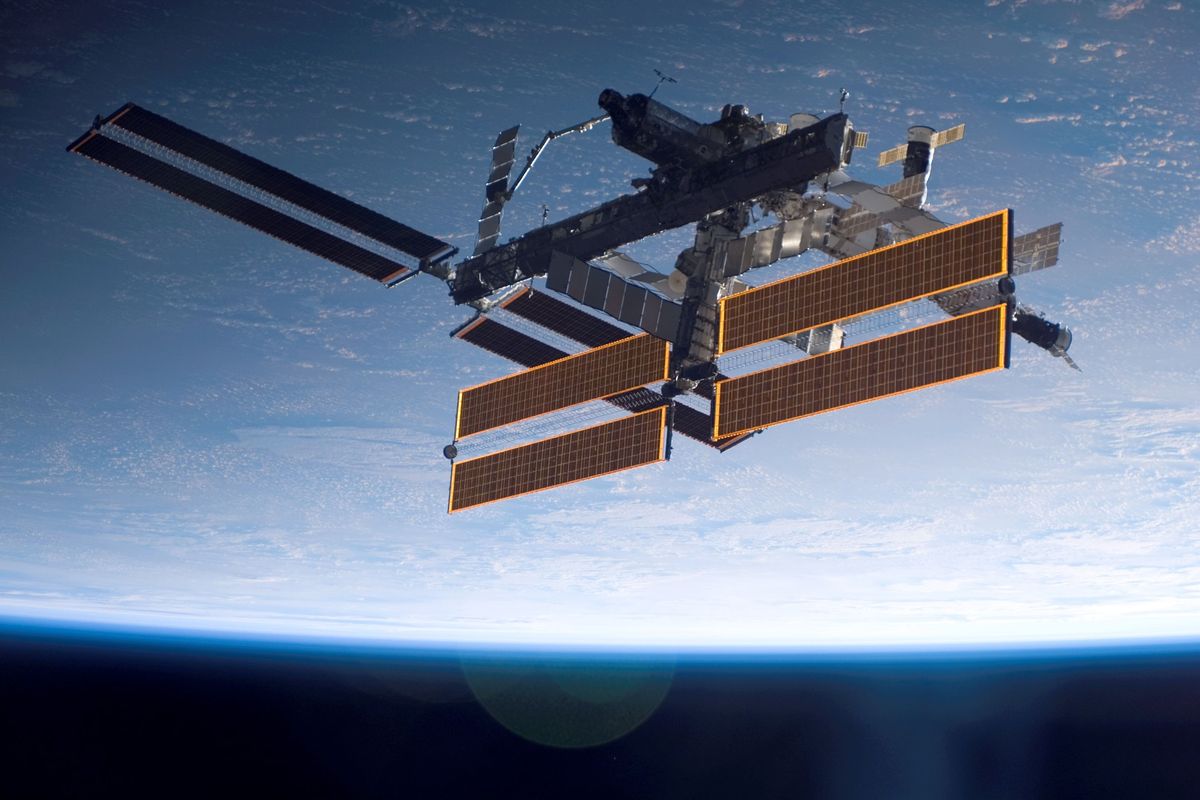
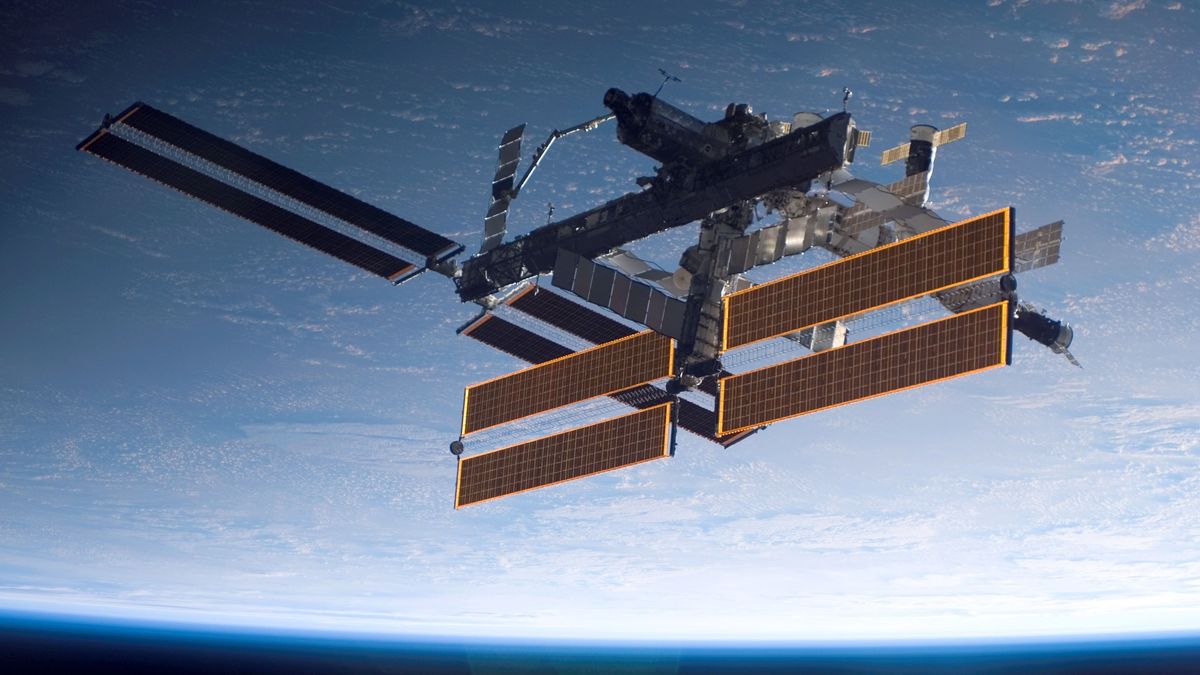
The International Space Station is seen over a blue and white Earth(Image: NASA via Getty Images)
Irish skies are set to be lit up tonight as the €100 billion International Space Station travels over the country with seven astronauts on board.
Tonight, Sunday July 12, will see a brilliant star-like object blazing over Irish skies before midnight and with little cloud amidst the ongoing heatwave, it will likely be visible in many areas.
Here’s what you need to know about the aeronautical event:
The International Space Station will be visible in Irish skies at both 10.03pm and 11.39pm, according to Astronomy Ireland.David Moore, Editor of Astronomy Ireland magazine, said: “It is an incredible sight to see the International Space Station blazing across Irish skies AND at $150 billion, ISS is THE most expensive object ever built. So, we are urging everyone in Ireland to go out and watch this amazing spectacle. The ISS is making space history rather like Columbus did when he set sail for the Americas. ISS is mankind’s first outpost in space. It’s 10 to 100 times brighter than the brightest star in the sky so it is plainly, indeed spectacularly, visible to the naked eye.”The ISS will be flying across the sky until July 23 but at a different time every evening. The society’s social media accounts will publish the exact minute every afternoon before sunset.The ISS looks like an extremely bright star that takes a couple of minutes to cross the sky, with Mr Moore adding that it “can be up to 100 times brighter that the brightest star in the sky so it is extremely easy to see, even from the centre of brightly lit cities.”The ISS travels at 28,000km/hr and is 400km above the ground. It orbits the Earth every 90 minutes.The first module was launched 28 years ago and the space station has been manned continuously since 2000.The ISS is used to carry out experiments that can only be done in weightlessness, with the next goal for astronauts to better understand such conditions before upcoming manned missions to Mars.
Subscribe to our newsletter for the latest news from the Irish Mirror direct to your inbox: Sign up here.