
Analysis: It’s one of the most misunderstood injuries in modern medicine and is surrounded by a web of myths
By Lorna Doherty and Siobhán O’Connor, DCU
Despite how common concussions are, both on and off the pitch, they remain one of the most misunderstood injuries in modern medicine, surrounded by a persistent web of myths and misconceptions. This can lead to increased risk and prolonged recovery. Here, we unpack the most common myths about concussion and what the latest research is telling us.
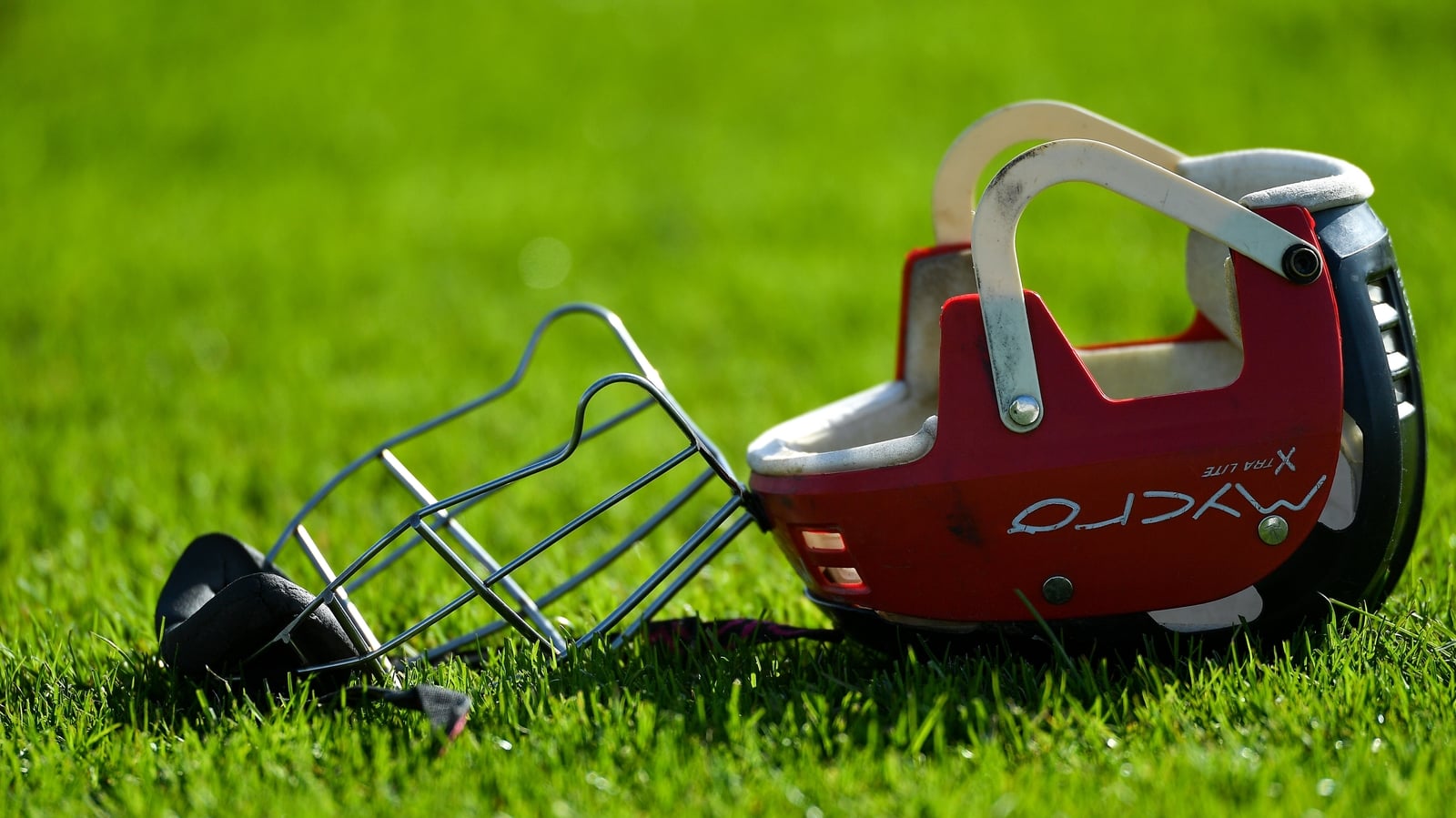
Helmets prevent concussions
Unfortunately, this usually isn’t the case. Although helmet padding can slow down impact by milliseconds and thereby lower the chance of skull fractures and brain bleeds, its effectiveness in actually preventing concussion should not be overstated. Imagine your skull and brain are like a snowglobe with a ball of jelly inside. A concussion happens when the snowglobe is shaken and the jelly moves around inside the glass.
Now, if you imagine wrapping the snowglobe in bubble wrap and shaking it, the jelly is still going to move. The bubble wrap on the outside of the glass doesn’t stop the movement on the inside of the glass. Similarly, if we imagine a hurler, wearing a helmet, hitting his head off the ground, the helmet isn’t going to stop the movement of the hurler’s brain inside his skull due to the impact with the ground. A hurling helmet is primarily responsible for preventing skull fractures, serious lacerations or cuts to the head.
We need your consent to load this rte-player contentWe use rte-player to manage extra content that can set cookies on your device and collect data about your activity. Please review their details and accept them to load the content.Manage Preferences
From RTÉ Radio 1’s Inside Sport, Prof Colin Doherty on why there should be a national coordinated plan to deal with concussion in sport
You have to hit your head to get a concussion
As a concussion happens when the brain shakes inside the skull, concussions don’t require direct impact to the head to occur, they can also be caused by any blow to the trunk or neck. Think of a strong shoulder in a game of football or a whiplash injury in a car crash. In both of these scenarios, the head hasn’t been struck but with the forceful movement of the body, the head can follow and result in the brain striking the inside of the skull, potentially causing a concussion.
Concussion symptoms appear right away
While having medical personnel at sporting events is an excellent resource, it’s important to remember that a sideline clearance does not guarantee that concussion symptoms won’t develop later. Even after being cleared, athletes should still be monitored closely, and those around them should remain vigilant for any symptoms that may appear.
Imagine your son/daughter, partner, friend or roommate got a hit while playing sports or even in everyday life. It doesn’t even necessarily have to be that hard. A few hours later they get a headache, feel nauseous, dizzy, or experience a range of other symptoms. It’s really important that you don’t ignore this and you get in contact with a medical professional.
We need your consent to load this rte-player contentWe use rte-player to manage extra content that can set cookies on your device and collect data about your activity. Please review their details and accept them to load the content.Manage Preferences
From RTÉ Radio 1’s Morning Ireland, better plans needed for dealing with concussion in sport
You have to be knocked out to be concussed
Concussion can happen without a loss of consciousness. In fact, most concussions don’t involve a loss of consciousness and this only happens in a minority of cases. This belief that you must lose consciousness in order to have a concussion is damaging as it can lead to underreporting, delayed treatment, continuing play while injured, further injury, and prolonged recovery.
If you are concussed, you have to sit in a dark room until the symptoms go away
Not true! Have you ever had a concussion, and been told that the best way to feel better is to sit in a dark room until your symptoms go away? You might feel fine doing that, but then when you return to your normal daily life, your brain is going to say ‘Woah! I’m not used to this!’. You might begin to feel your symptoms again, or even suffer from persistent post-concussion symptoms, which can last from weeks to years. One way to mitigate the risk of experiencing this is to engage in timely, appropriate treatment.
In reality, we need to be treating concussion similar to how we treat other injuries in the body; often with a period of relative rest and then progressive rehabilitation. Starting early with a light walk is great advice as long as your symptoms aren’t worsening. This can then be progressed to some jogging, cycling or running. Experiencing a mild provocation of symptoms, around a 2 out of 10, is normal.
We need your consent to load this rte-player contentWe use rte-player to manage extra content that can set cookies on your device and collect data about your activity. Please review their details and accept them to load the content.Manage Preferences
From RTÉ Radio1’s Saturday with Colm Ó Mongáin in 2024, the Ombudsman for Children has been waiting eight years for a government policy on protecting children from concussion
It shouldn’t be feared, it’s a sign that you are actively retraining your brain and nervous system to handle daily life again. It can be similar to going to the gym and your muscles feeling a little bit stiff or sore because you haven’t lifted weights in a while. There are several return to activity resources freely available online from some of our national sporting bodies such as the GAA, FAI and IRFU.
You shouldn’t let someone who is concussed fall asleep
Sleep is usually safe, if not helpful, when someone is concussed. Regular sleep is crucial when it comes to concussion recovery and repeatedly waking or keeping someone awake is usually not necessary. Disturbances to regular sleep can make concussion symptoms such as headache, fatigue, and mood disturbances worse. It can also prolong recovery by up to 4 times. When asleep, the brain focuses energy on healing and restoring normal function, making sleep so important for a brain’s recovery from injury.
The time to seek urgent medical attention is when red flags appear, including neck pain or tenderness, seizure or convulsions, double vision, loss of consciousness, weakness or tingling/burning in more that one arm or in the legs, deteriorating conscious state, vomiting, severe or increasing headache, increasing restlessness, agitated or combative state, or visible deformity of the skull. Someone with a concussion should be monitored for at least 1-2 hours, but unless red flags are present, a rested brain is a healing brain.
We need your consent to load this rte-player contentWe use rte-player to manage extra content that can set cookies on your device and collect data about your activity. Please review their details and accept them to load the content.Manage Preferences
From RTÉ Radio 1’s Today with David McCullagh, how lowering tackle height has reduced concussion and injuries in adult players
You can continue work/school as normal after a concussion
Often, your work or studies can be affected by having a concussion and equally your work and studies can greatly affect you and provoke your symptoms. Symptoms such as brain fog and confusion can be common with concussions, both of which can greatly affect your ability to concentrate and perform in work or school.
These symptoms should not be underestimated or disregarded as this can prolong your recovery in the same manner that continuing to play sport while concussed can. Those who attempt to push through the cognitive effects of concussion can often experience exacerbated symptoms and struggle significantly both with keeping up with workload and with recovery from concussion.
Follow RTÉ Brainstorm on WhatsApp and Instagram for more stories and updates
Lorna Doherty is a Certified Athletic Therapist and PhD Candidate at the School of Health and Human Performance at DCU. Prof Siobhan O’Connor is an associate professor in Athletic Therapy and Training at the School of Health & Human Performance in DCU.
The views expressed here are those of the author and do not represent or reflect the views of RTÉ