
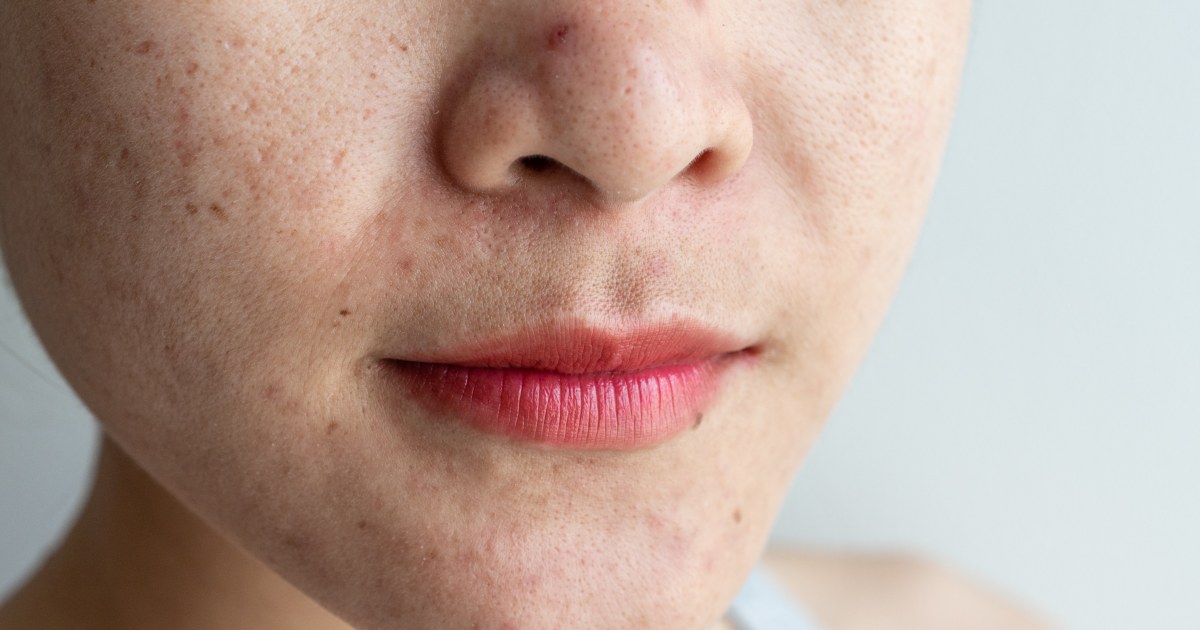
If you have any chronic skin issue, it’s easy to become focused on how it looks. But whether you’re dealing with acne, rosacea or eczema, these conditions often aren’t just about your skin.
And it can be helpful to zoom out to recognize the other risks, including heart health risks, that can come with certain skin conditions, a dermatologist tells TODAY.com.
Skin Health Tip of the Day: Skin Inflammation Can Signal Underlying Heart Issues
“The skin is not separate from the rest of the body,” says Dr. Saranya Wyles, a dermatologist specializing in regenerative medicine and skin aging. And the inflammation you see on the surface can be a sign of something going awry underneath.
We know this link exists thanks to inflammatory skin conditions like psoriasis, she says. People with psoriasis, particularly severe psoriasis, have an increased risk for major heart events, including heart attacks and strokes, research shows.
Psoriasis also increases the risk for a condition called metabolic syndrome, which can lead to high blood pressure, high blood sugar and abnormal cholesterol levels. Those can all make heart issues more likely, Wyles says.
“So psoriasis actually is now recognized in our American Heart Association cardiovascular guidelines as a risk-enhancing inflammatory condition,” Wyles explains. “It’s not (just) a cosmetic skin concern.”
Why It Matters
Skin inflammation like that seen in psoriasis can signal underlying chronic inflammation, which also raises the risk for heart disease.
In fact, this potential link between systemic health issues and skin appearance is something Wyles is researching right now through her Skin Aging and Longevity Understanding Database (SALUD) study. As part of that study, her team is investigating whether there are correlations among a person’s heart activity, chronological age and skin health.
Although researchers are still teasing apart the underlying mechanisms that may connect skin and heart health, it’s important for people who have skin conditions like psoriasis to understand how this could affect their other health risks.
But not all inflammatory skin conditions are related directly to heart health, Wyles explains. Conditions like eczema or dry skin, which are related to skin barrier issues, “more mirror our gut microbiome,” she says.
In general, though, if your skin is inflamed, that can be a signal that you’re dealing with an underlying health issue of some kind.
How to Get Started
If you experience prolonged changes to your skin, especially inflammation, it’s worth talking to a health care professional. And if you’ve already been diagnosed with psoriasis, then know your risk of heart issues is higher.
The most common sign of inflammation on skin is redness, Wyles says. “Darker skin tones reflect more of a subtle redness that’s harder to perceive, but they are also getting red.” (In people with darker skin tones, the redness may look more brown or purple-ish, TODAY.com explained previously.)
But keep in mind that your skin changes as you age, which can make inflammation and dryness more common.
“Your skin barrier, which is your body’s armor to the outside world, is not as intact,” Wyles explains. “You’re going to be more susceptible to infection. … You’re just more easily influenced by external stressors.”
Bottom line? Pay attention to skim symptoms that are out of the norm for you because “healthy skin looks different on everybody,” Wyles says. And keep your skin hydrated and moisturized to support a healthy barrier, she adds.
TODAY’s Expert Tip of the Day series is all about simple strategies to make life a little easier. Every Monday through Friday, different qualified experts share their best advice on diet, fitness, heart health, mental wellness and more.