
Your support helps us to tell the story
From reproductive rights to climate change to Big Tech, The Independent is on the ground when the story is developing. Whether it’s investigating the financials of Elon Musk’s pro-Trump PAC or producing our latest documentary, ‘The A Word’, which shines a light on the American women fighting for reproductive rights, we know how important it is to parse out the facts from the messaging.
At such a critical moment in US history, we need reporters on the ground. Your donation allows us to keep sending journalists to speak to both sides of the story.
The Independent is trusted by Americans across the entire political spectrum. And unlike many other quality news outlets, we choose not to lock Americans out of our reporting and analysis with paywalls. We believe quality journalism should be available to everyone, paid for by those who can afford it.
Your support makes all the difference.Read more
President Donald Trump’s administration has removed a rule designed to protect plants and animals that are determined to be threatened with extinction.
The U.S. Interior Department on Friday canceled the rule in the latest step by The President’s team to dismantle key provisions of the landmark Endangered Species Act.
Instead of receiving automatic protections, under-threat species will need individualized protection plans once they are added to the threatened species list. A potentially long process in which companies could seek exemptions for oil and gas drilling, mining and other development where those species live.
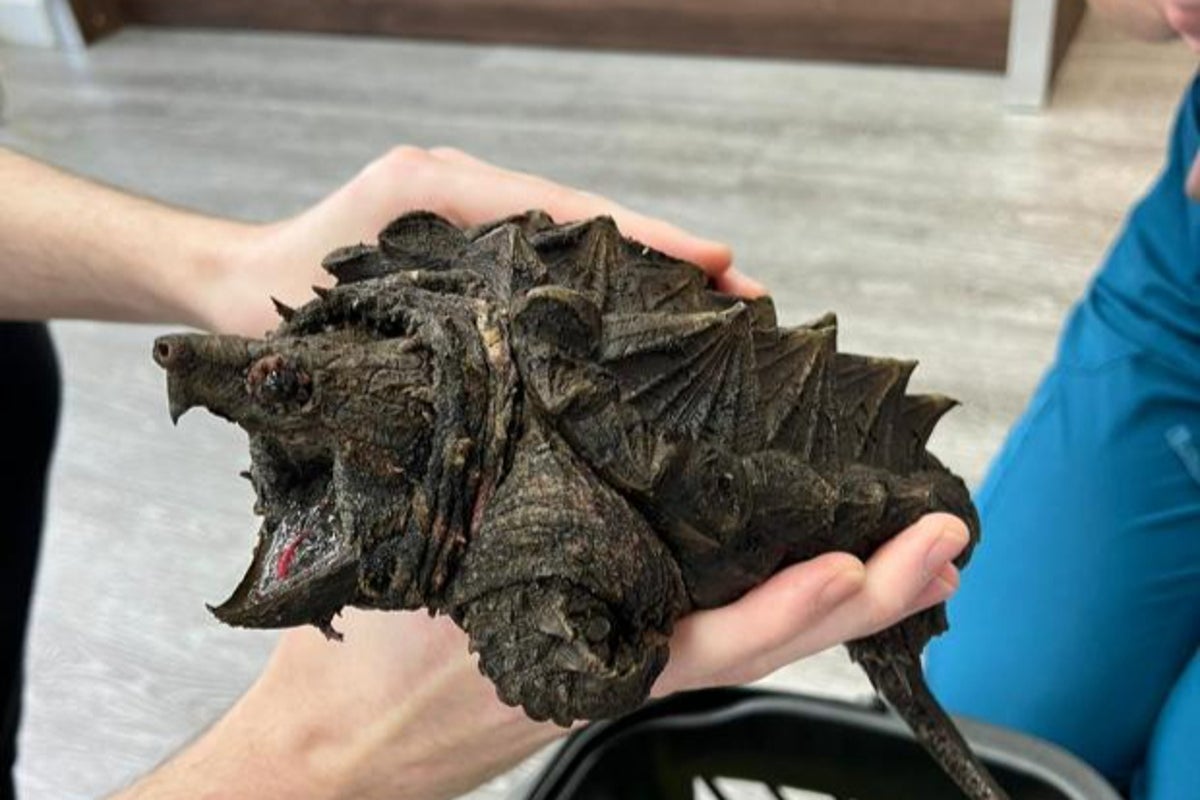
Opponents said it would make it harder to save wildlife such as monarch butterflies and alligator snapping turtles.
There have been no species added to the endangered or threatened lists in Trump’s second term. By comparison, more than 20 species were added in Trump’s first term, and about 60 during Biden’s presidency.
About 30 species are currently proposed to be listed as threatened. Besides monarchs and alligator snapping turtles, they include California spotted owls and various snakes, fish, clams and insects.
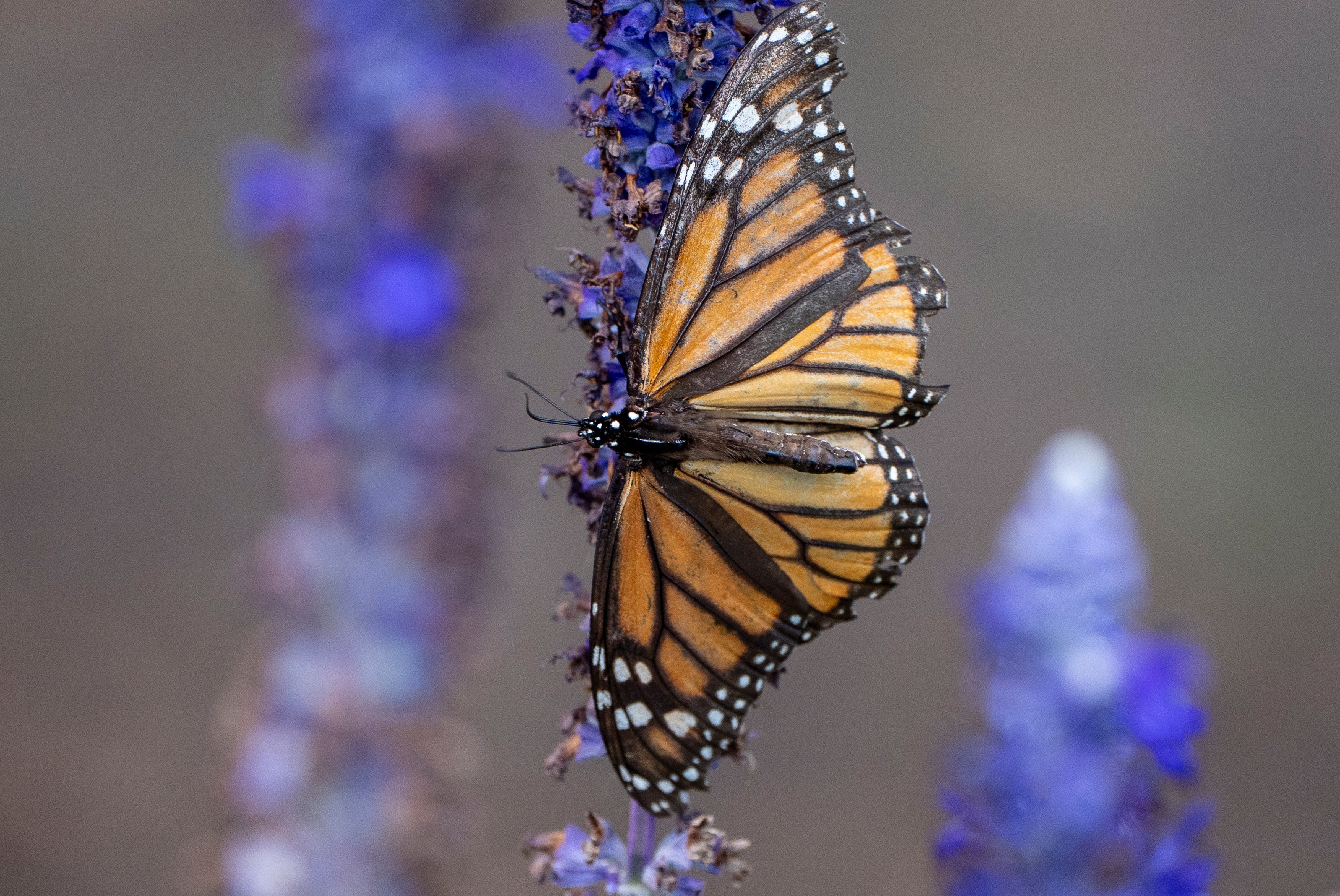 A monarch butterfly lands on a flower, Sept. 6, 2025, in Washington. (AP Photo/Alex Brandon, File) (Copyright 2025 The Associated Press. All rights reserved)
Interior Secretary Doug Burgum said in a statement that the Endangered Species Act had been used for too long “to stop almost any new project in America, driving up costs for families, weakening our competitiveness, and undermining our national security.”
“Success should be measured by species recovery and delisting, not by adding more species to the list,” Burgum added.
A second change finalized Friday requires officials to analyze economic impacts when deciding whether habitat is critical to a species’ survival. Critics say it gives corporations an opportunity to put their thumb on the scale so that officials will allow development in those areas.
“If you’re exempting certain industries that cause habitat destruction, in many instances you’ll be exempting the main threat to those species,” said Noah Greenwald with the environmental group Center for Biological Diversity.
Officials made similar changes during Trump’s first term but they were reversed under former Democratic President Joe Biden.
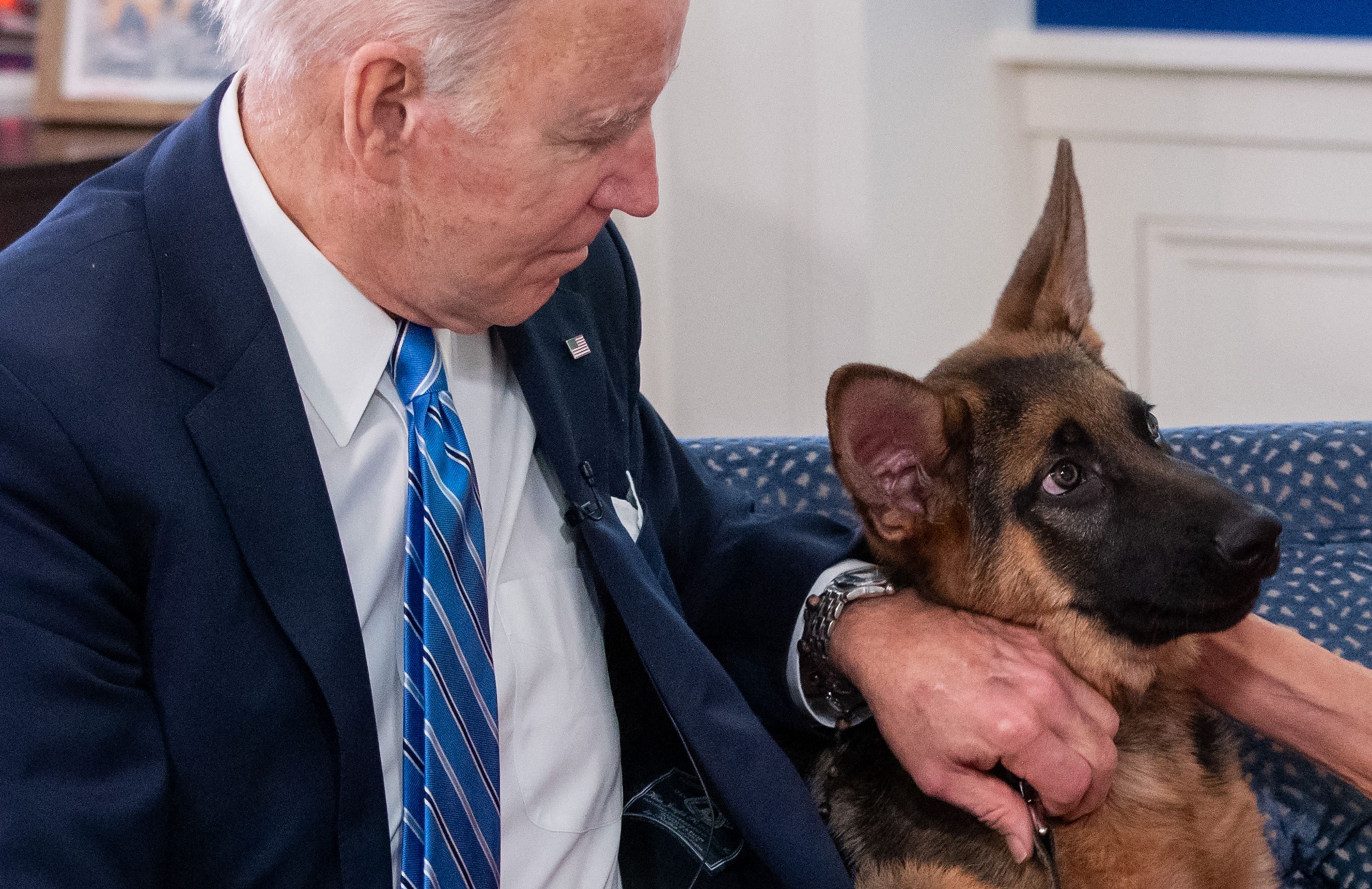 Joe Biden pets his dog Commander (AFP via Getty Images)
The rules that gave what some consider “blanket protections” to threatened species were first adopted for wildlife in 1975 and for plants in 1977.
Changes to government policies for endangered plants and wildlife have come faster and extended further in Trump’s second term than in his first.
The administration in March exempted oil and gas drilling in the Gulf of Mexico from the Endangered Species Act after Defense Secretary Pete Hegseth said environmentalists’ lawsuits threatened to hobble domestic energy supplies as the U.S. wages war against Iran.
Last week, Interior officials sharply narrowed the definition of what constitutes “harm” to a species. The change would allow development on critical wildlife habitat so long as the animals themselves are not immediately killed or injured.
This week officials sharply reduced the amount of critical habitat in the U.S. Rocky Mountains designated for Canada lynx, forest dwelling wildcats that are threatened by climate change and other pressures.
Also this week, Burgum said in a visit to Montana that the U.S. Fish and Wildlife Service would turn over more management authority for grizzly bears to states where the bruins live. That’s been a longstanding priority for the Republican governors of Wyoming, Idaho and Montana.
The Endangered Species Act is credited with bringing back iconic animals including the bald eagle and American alligator from the brink of extinction.
Burgum noted Friday that 97% of the species that have been given protections still have them. That’s a frustration for Republican lawmakers who say species should be taken off the endangered and threatened lists more quickly once they’ve recovered.