
Welcome to Fast Company Daily, our daily newsletter on LinkedIn, featuring a free article selected each day by our editors as well as a roundup of great advice on careers, hiring, innovation, and technology.
Visit fastcompany.com for our top stories and breaking news. First time seeing this? Please subscribe.
How do you sustain a creative perspective while revisiting the same characters over and over again?
Showrunner, animator, and writer of “Bob’s Burgers,” Loren Bouchard, says working on a television show for years is like being in a long-running band.
“It’s not that you’re chasing your greatest hits, it’s more that you still like the sound of your band. You still want to play together,” he said on the latest episode of the Creative Control podcast.
Watch more Fast Company video content here and listen to the full podcast episode here.
3 learning habits backed by neuroscience that high performers use
Fully 70% of U.S. workers feel unprepared for today’s workforce. That’s not a data point you encounter and move past. It sits with you, especially when you’ve spent a career thinking about how learning works.
What separates high performers today isn’t natural talent. The differentiator is how people use the brain science of learning to develop that kind of adaptable capacity, and how they’re starting to use AI to scale it.
After earning my master’s degree in education policy from Columbia University’s Teachers College, I dedicated my career to understanding how people learn and how we can translate learning science into better outcomes. For more than 25 years—as an educator, higher education leader, and now chief learning officer at Instructure—I have worked alongside teachers, students, and organizational leaders to better understand how people learn and how we can best apply learning science.
In my experience, high performers consistently rely on three learning habits: practicing active retrieval, using AI as a partner for deliberate practice, and metacognition—meaning reflecting on their own thinking and diagnosing what worked or didn’t.
1. Activate neuroplasticity
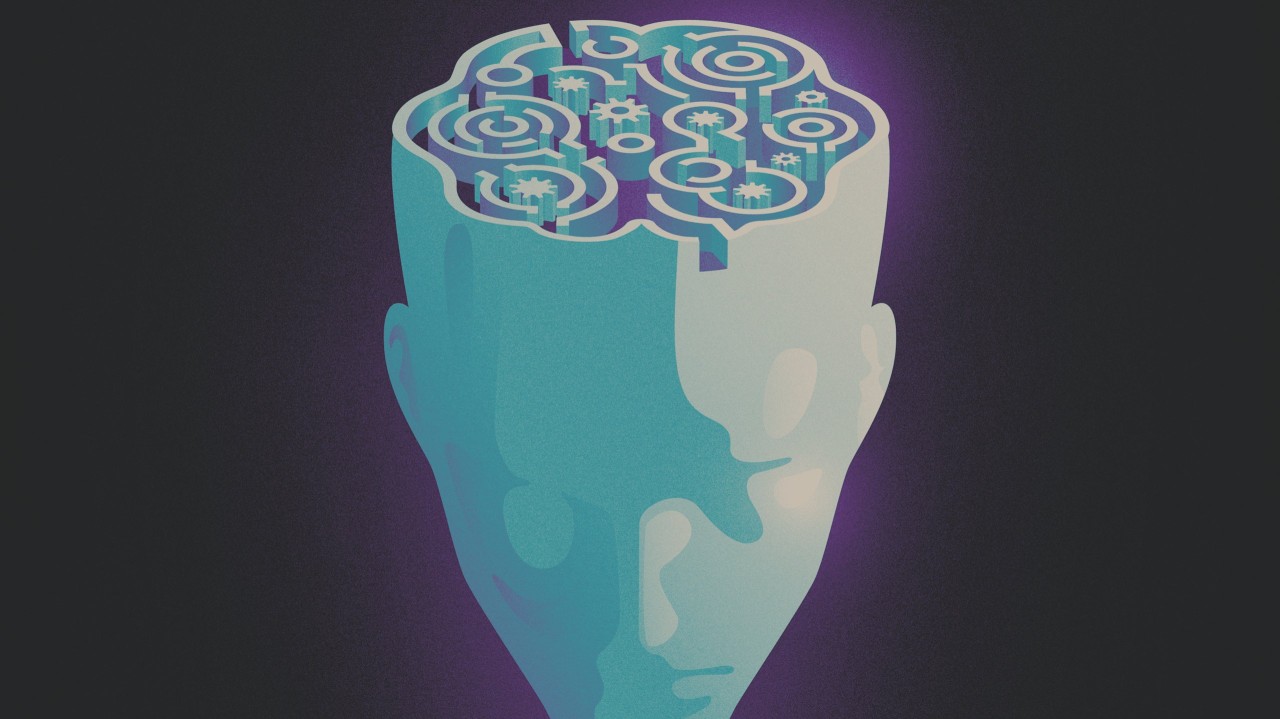
As we work together to design learning experiences that reinforce the importance of being resilient, we must first understand how the brain works. Neuroscience shows that the human brain is designed to adapt. Neuroplasticity, the brain’s ability to reorganize itself, thrives on novelty, relevance, and meaningful feedback. Repeated, intentional practice reshapes neural pathways.
That’s the good news. The challenge is that most learning environments don’t reflect this science. We lose people after about 20 minutes of a traditional lecture. Not because they’re lazy, but because our brains are wired to preserve cognitive resources. Passive consumption of information doesn’t activate the mechanisms that build durable memory.
High performers know this intuitively, even if they don’t use the neurological vocabulary. They practice retrieval. They don’t just review notes; they close the book and force themselves to recall. They space their learning over time rather than cramming. They return to what they’ve learned and apply it in new situations. This is how short-term exposure becomes long-term capability.
Read the full story on Fast Company.