
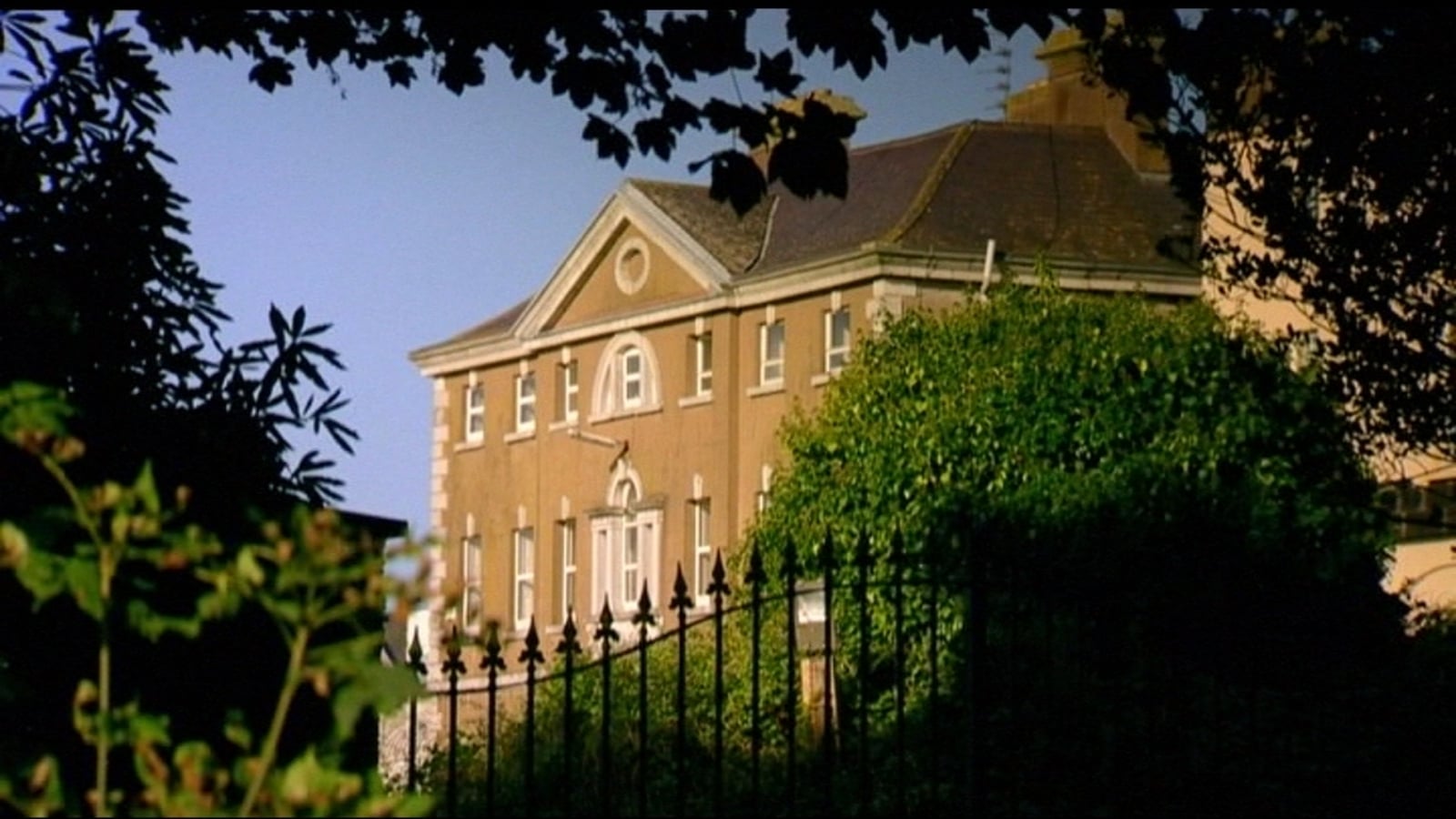
The Department of Children has defended work carried out by the Mother and Baby Homes Commission of Investigation at Bessborough, following renewed calls for a fresh forensic investigation of the site.
The Department’s response follows the publication of concerns raised by former Children’s Minister Katherine Zappone, who questioned whether the Commission had done enough to identify burial locations at Bessborough.
In a submission to An Coimisiún Pleanála last April, Ms Zappone said that while the Commission made “modest efforts” to locate burial grounds at Bessborough, these “were not sufficient or similar to the efforts made at Tuam”.
The letter raised concerns that the Commission did not request its lead forensic archaeologist to carry out Ground Penetrating Radar (GPR) surveys at Bessborough, similar to techniques used in Tuam.
She also questioned the reliance on monitoring by forensic archaeologists during construction works; suggesting that excavation by builders could permanently destroy any human remains and eliminate future DNA identification.
In response, a spokesperson for the Department has pointed to the Commission of Investigation’s 2019 interim report “featuring detail on its efforts to locate possible unrecorded burial arrangements in Bessborourgh”, where cartographic and landscape assessments of possible unrecorded burial arrangements were carried out, as well as a site survey.
“The Commission said at the time that it found no physical or documentary evidence of systematic burials within the grounds, but considered it to be highly likely that burials took place there.
“However, it was unable to find any evidence of burials of children who died there in the grounds. The Commission also said in its 2019 interim report that it did not consider it feasible to excavate the full 60 acres involved, or the rest of the 200-acre estate on which the there has been extensive building work since the institution closed,” the spokesperson said.
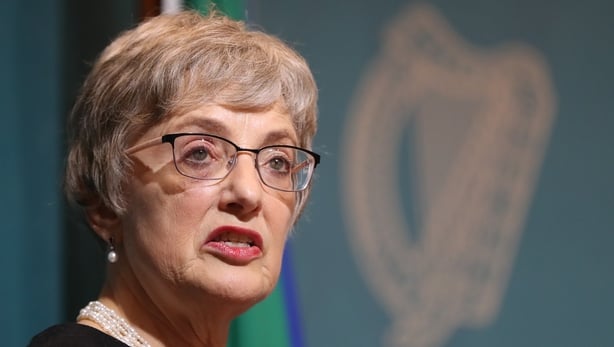
Katherine Zappone said that the level of effort in Bessborough was not the same as in Tuam
In her correspondence to An Coimisiún Pleanála, Ms Zappone pointed out that the Institutional Burials Act 2022 was specifically intended to provide for investigations at other mother and baby home sites where potential burial grounds remained unidentified.
However, the Department has said that the Act “is not site specific and provides for interventions at other institutional sites where manifestly inappropriate burials have taken place”.
The spokesperson said that under the legislation, a Director can be appointed to excavate and recover remains where the Government is satisfied that burials have taken place and has evidence that those burials are manifestly inappropriate.
“In the case of Bessborough, the location of burials is sadly unknown”, according to the response.
Yesterday, the Special Advocate for Survivors of Institutional Abuse Patricia Carey noted that Ms Zappone’s intervention showed that even the former minister responsible for overseeing the Mother and Baby Homes Commission believed more could have been done.
Ms Carey urged the Government to release technical reports and documentation relating to burial investigations.
She accused the Minister for Children Norma Foley of refusing to produce either the Index to the Mother and Baby Home Commission of Investigation Archive or records contained in that archive that relate to burial ground investigations.
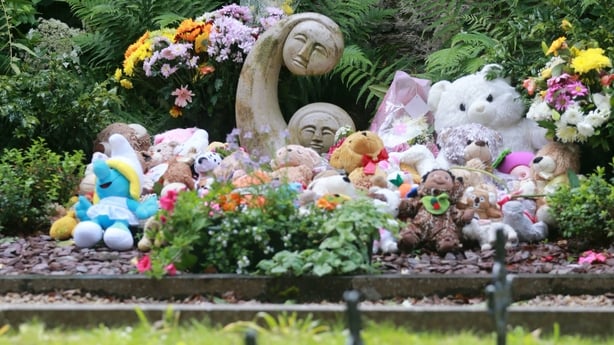
It is estimated that 923 babies died at Bessborough Mother and Baby home between the 1920s and 1990s
The Department spokesperson said legal advice had confirmed that the Government had no legal authority to disclose materials that were not included in the Commission’s published reports and “is bound not to disclose them”.
In a statement issued yesterday, Ms Carey supported calls for Cork City Council to acquire the site through a Compulsory Purchase Order and to engage with survivors on future memorialisation and dignified burial arrangements.
The Department pointed out that the Taoiseach had asked Cork City Council to engage with the landowners at Bessborough with a view to exploring “all options for the future of the site” and said the process was “ongoing”.
There have also been calls for inclusive for engagement by the State with Survivors and Affected Persons of Bessborough, and the Special Advocate for Survivors, to determine a shared approach to memorialisation and dignified burial for the 923 infants and children, as well as the mothers who died at Bessborough.
The Department said “important work” was underway on the National Centre for Remembrance to honour those affected by Ireland’s institutional past.
“It is essential that the views and voices of survivors and affected persons are at the heart of the National Centre. In response to feedback from survivors and affected people, the Minister has expanded the Steering Group overseeing the development to include survivor members,” it said.
It also confirmed that investment by the state into the National Centre is in excess of €100m.