

Last week, I told my three children I was taking them to the cinema. Normally, this suggestion is warmly welcomed, but when I announced we were going to see Toy Story 5, there were audible sighs of exasperation.
It was apparently “too babyish”, especially for the two older ones (16 and almost 14), but the promise of extortionately expensive popcorn and sweets eventually persuaded them.
For years, I have argued that one of our greatest responsibilities is not only protecting children from technology, but preserving childhood itself. We devote enormous attention to screen time, online safety, and social media. These are important conversations, but they can distract us from the much bigger question of what technology is gradually replacing. And Toy Story 5 highlights this issue to great effect.
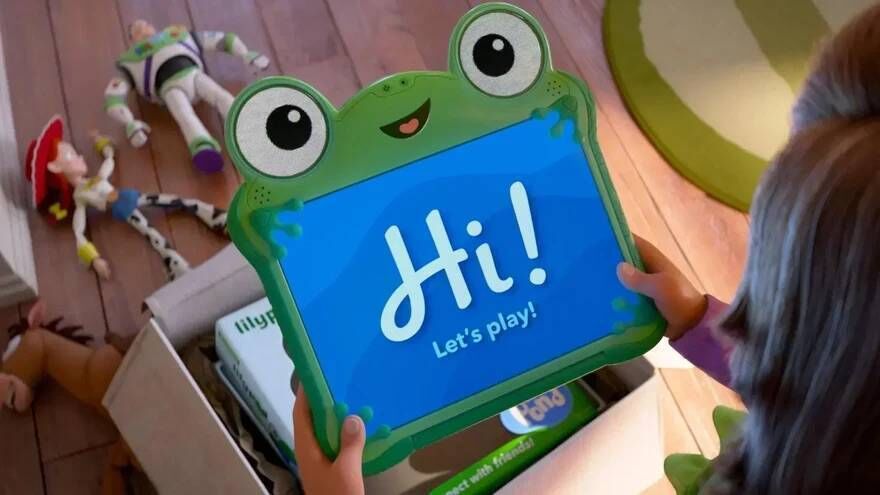 The character Lilypad in ‘Toy Story 5’
The difference is that previous generations experienced those pressures within relatively small friendship groups. Childhood was largely a protected space where children could simply be children.
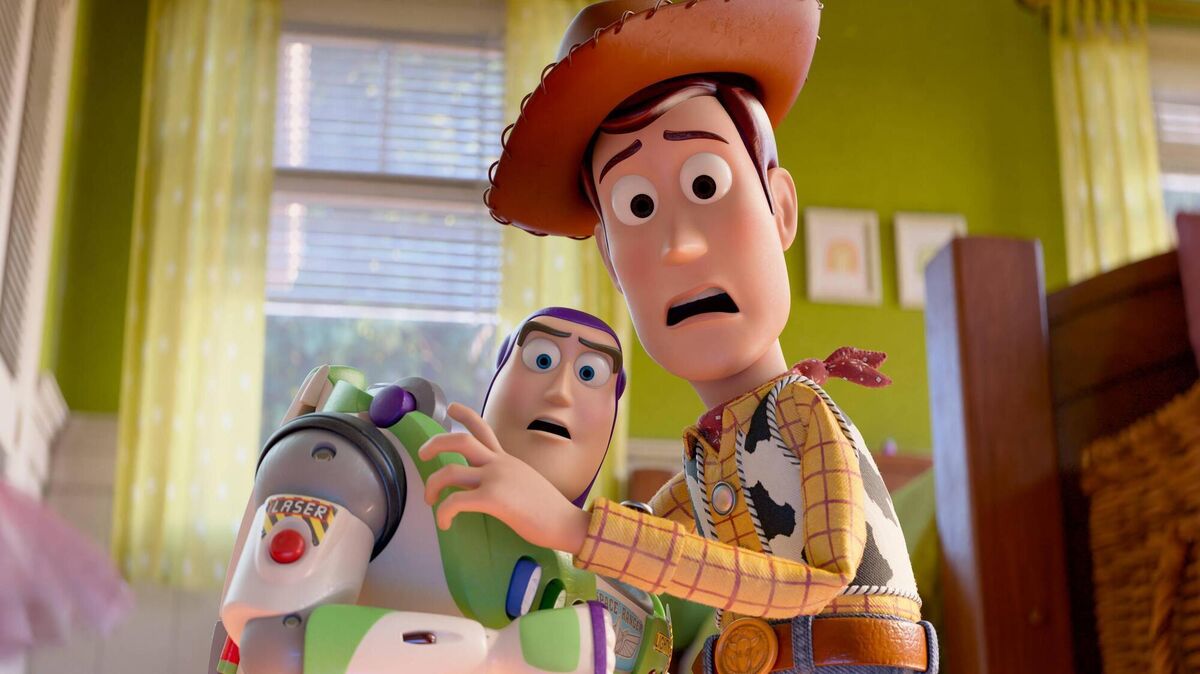 Colman Noctor: In Toy Story 5, Woody, Buzz and Jessie are not really fighting to be played with. They are fighting for Bonnie’s right to remain a child for just a little longer.
I don’t know whether the movie changed my children’s minds about it being ‘too babyish’, and I suspect they would never admit it if it had. They did say that they enjoyed it, and given the pensive looks on their faces, I have a feeling its message landed somewhere for them too.
Dr Colman Noctor is a child psychotherapist