
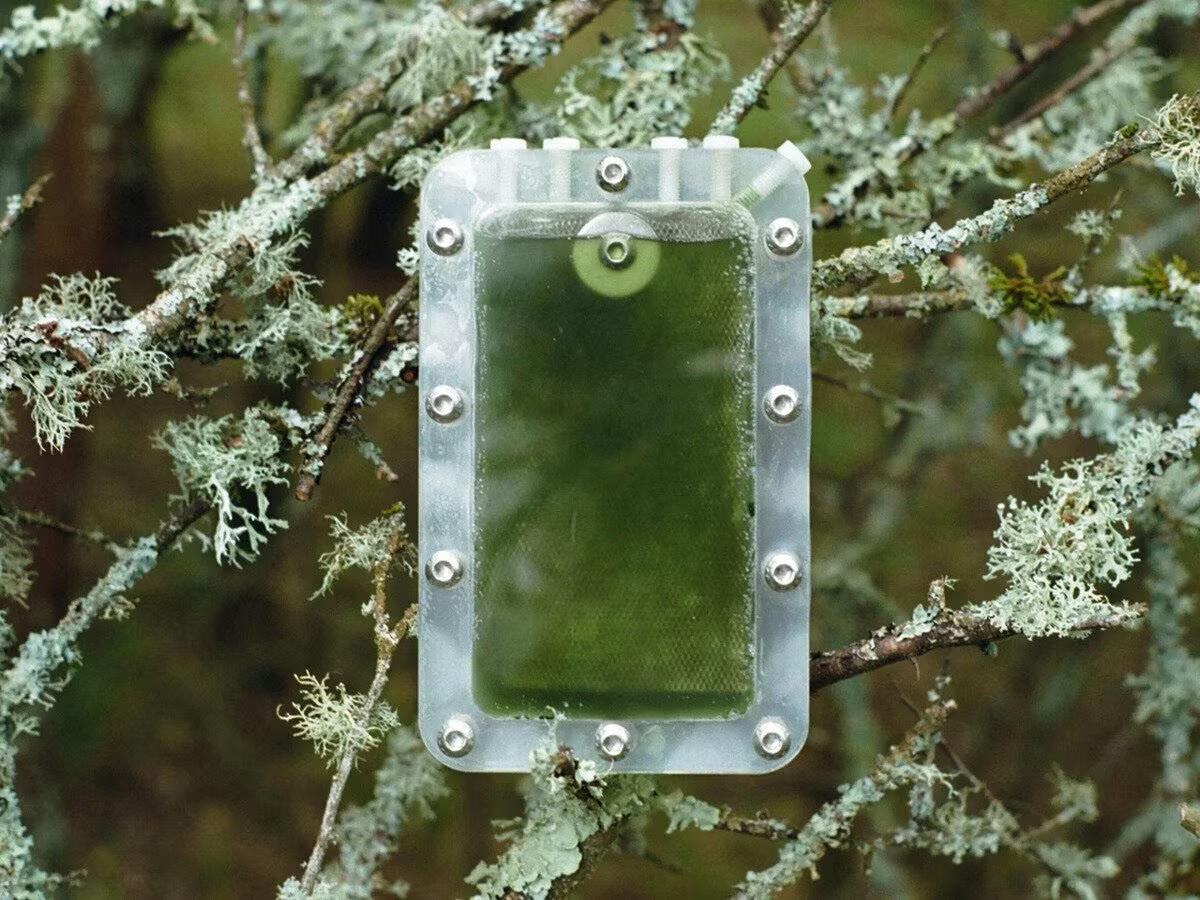
Biocell is a prototype energy system developed by bio-designer Lucia Giron in collaboration with the University of Cambridge’s Department of Biochemistry and electrical engineer Lifu Tan. The technology uses cyanobacteria to generate electricity through biophotovoltaics, producing electrical current during photosynthesis while continuing to deliver power after dark. The research explores a biological alternative to disposable batteries for low-power electronic devices.
Related Ideas

CATEGORYMarketing
London-Inspired Eyewear Collections

CATEGORYMarketing
Supplement Gummy-Branded Sweepstakes

CATEGORYFashion
Art Deco-Inspired Refillable Pallettes
Prototype applications include a clock radio, a temperature sensor and a plant monitoring system capable of measuring light levels, air temperature and soil moisture while transmitting data to a mobile app. The research team has also created a transparent demonstration unit to showcase the living energy system and launched the startup e-Pho to explore commercial applications. Alongside product development, the project includes an educational toolkit that enables students to cultivate cyanobacteria, assemble biocells and evaluate the performance of different materials.
Image Credit: Lucia Giron, University of Cambridge’s Department of Biochemistry