
Decades before influencers, Instagram, TikTok, TMZ and clickbait, there was Andy Warhol. And he was way cooler.
The shy Pittsburgh native and quintessential New Yorker was fascinated with the idea of celebrity. Through his unforgettable artwork, he made fame a masterpiece.
Warhol’s iconic portraits of stars — Elvis Presley, Muhammed Ali, Elizabeth Taylor, Prince, Jackie Kennedy, etc. – helped make him a celebrity, too.
But Andy Warhol was much more than that. A gifted talent, relentlessly creative and explorative. Generous colleague and mentor. Vanguard and soothsayer for the ages.
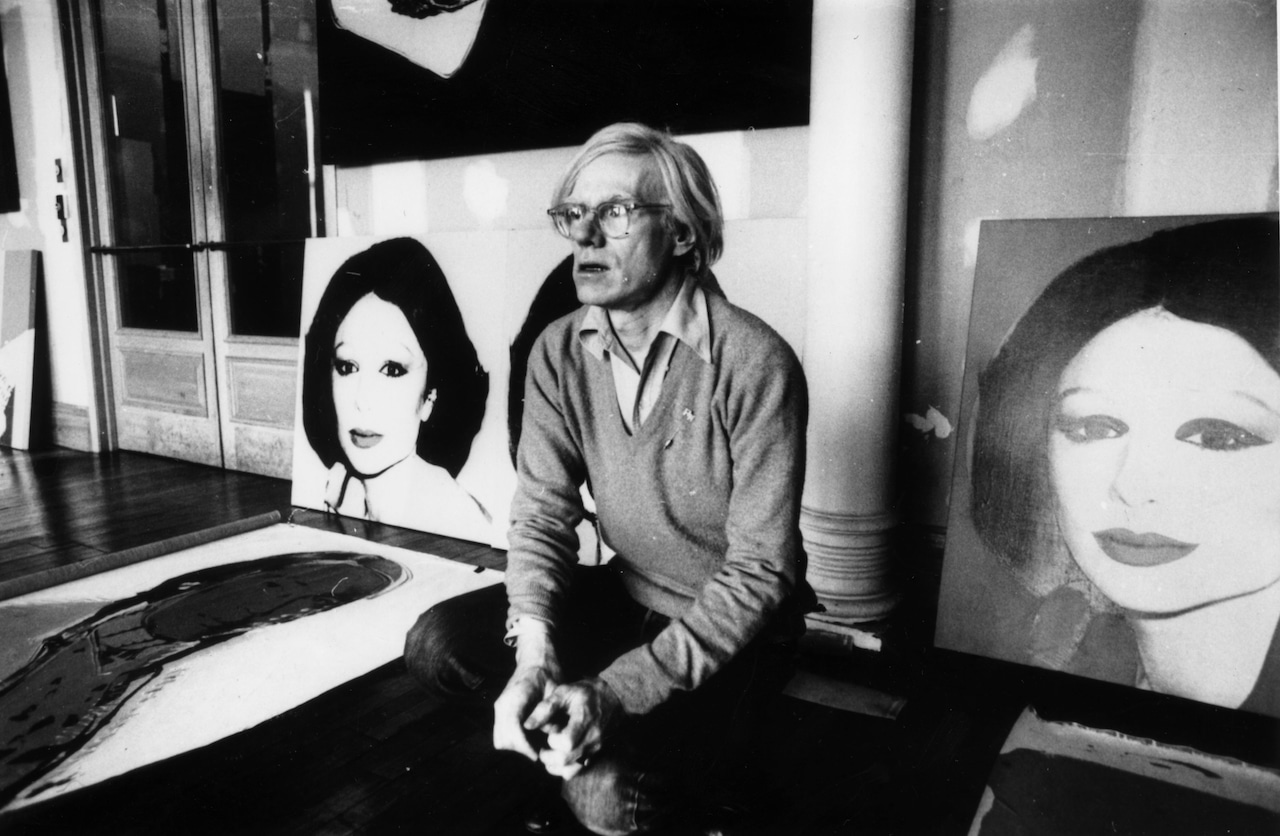 Artist Andy Warhol (1928 – 1987) in New York with his “Princess Of Iran” portraits. (Photo by Graham Wood/Getty Images)Getty Images
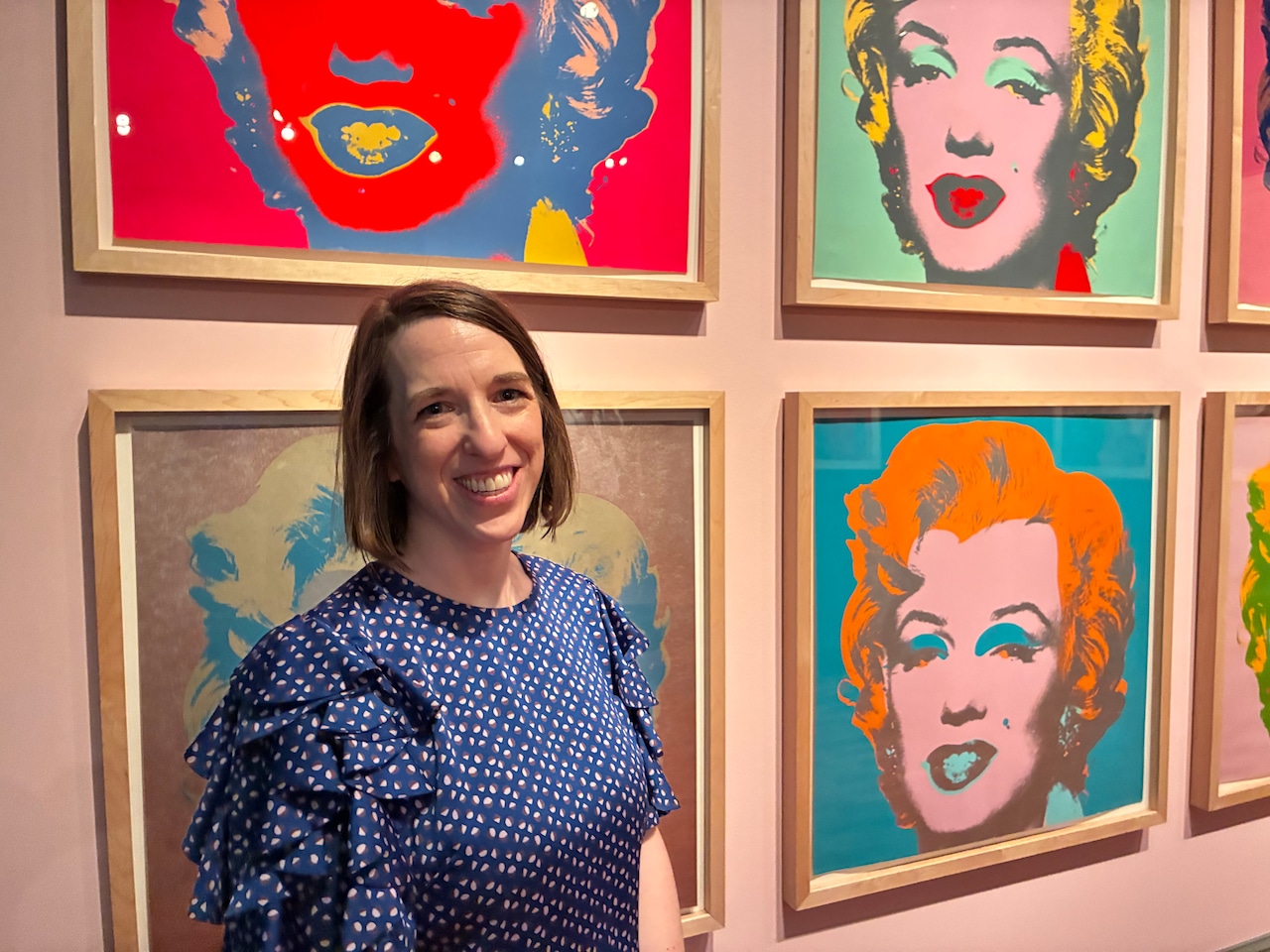
In Alabama, a new Huntsville Museum of Art exhibition shows one of the 20th century’s most famous artists in a fresh way. “WARHOL: film, fashion, photography” opened Friday and runs through October 18.
Featuring more than 150 items spanning four decades and spread across four galleries. And it’s fantastic.
“This definitely isn’t a minimalist exhibition — he wasn’t a minimalist artist,” says museum curator Natalie Mault Mead. “And it’s definitely presenting Warhol in a new and exciting light.”
For context, most traveling exhibits at the Huntsville Museum have about a third of the works the Andy Warhol one does.
But “WARHOL: film, fashion, photography” isn’t a traveling exhibit. It’s curated by the Huntsville Museum of Art.
Works were sourced from the Andy Warhol Museum in Pittsburgh, University of Alabama at Birmingham’s Abroms-Engel Institute for the Visual Arts, and Arkansas’ Art Bridges Foundation. “We have developed incredible relationships with our lending peers,” Mead says.
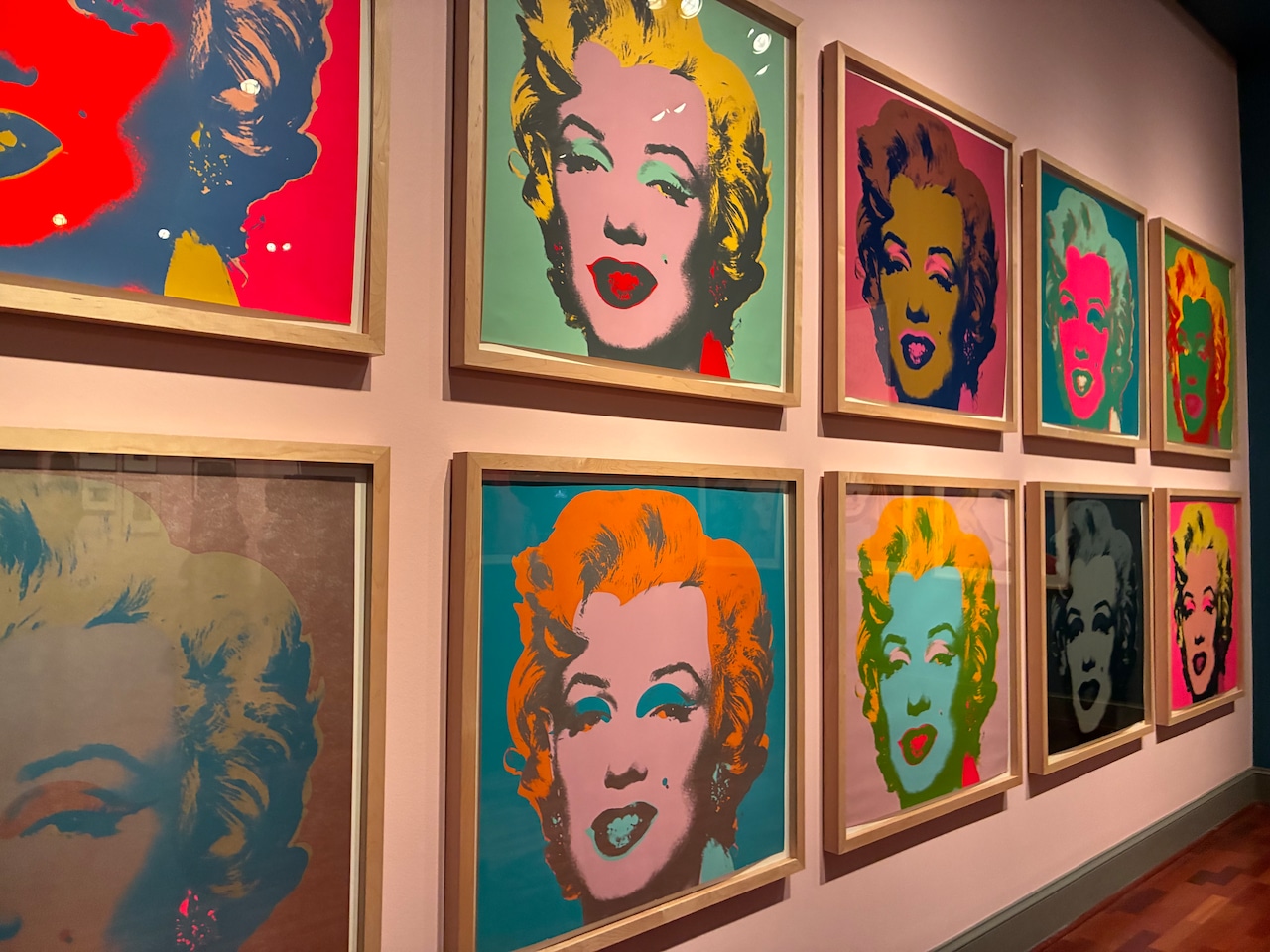 Huntsville Museum of Art’s new Andy Warhol exhibit, “WARHOL: film, fashion, photography.” (Matt Wake/mwake@al.com)Matt Wake
Some of Warhol’s signature images are featured at the Huntsville Museum of Art, address 300 Church St. S.W.
For example, quintessential Marilyn Monroe and Campbell Soup Can printmaking, as well as those depicting Jane Fonda, John Wayne, Grace Jones and Judy Garland.
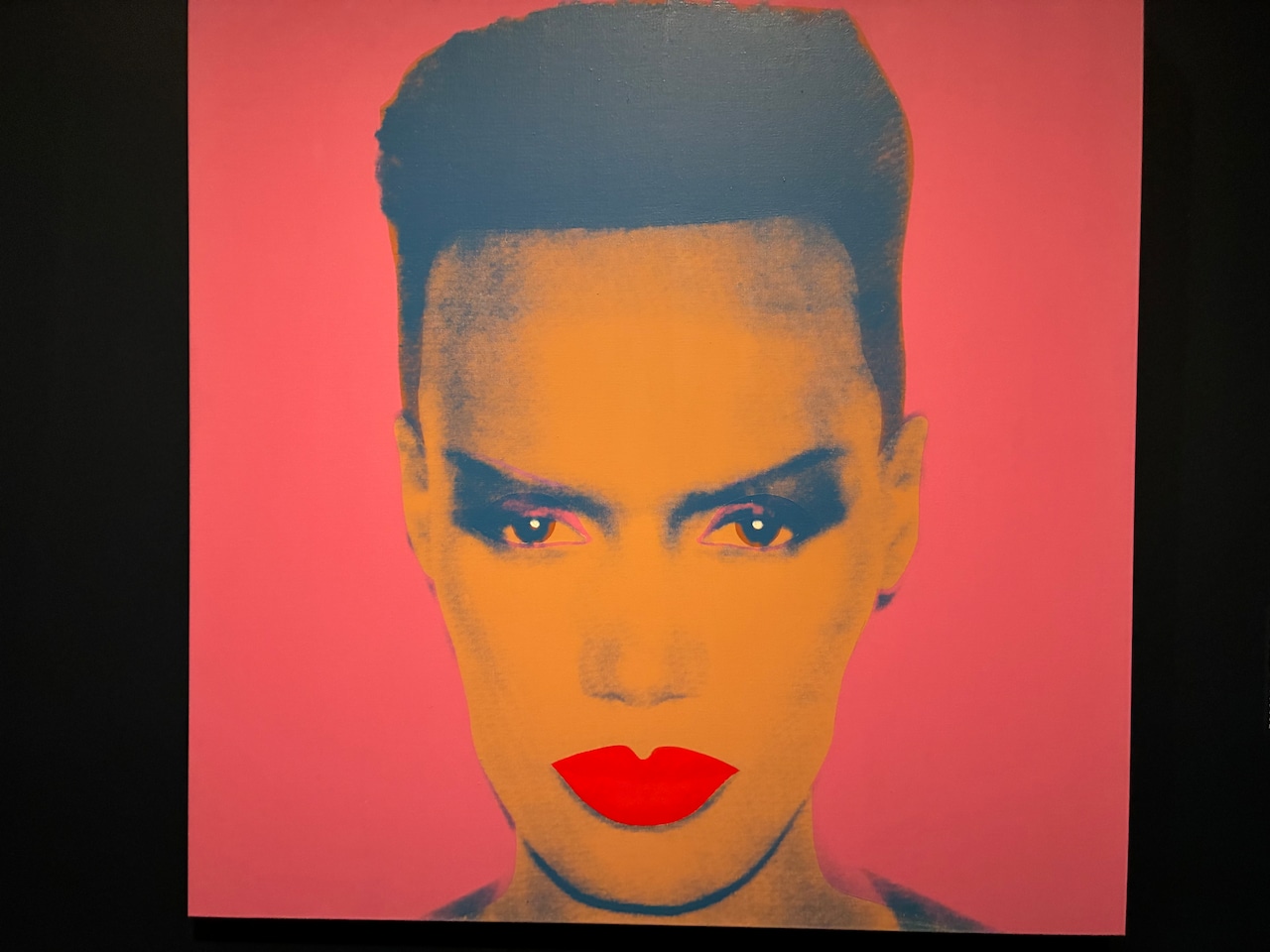 Huntsville Museum of Art’s new Andy Warhol exhibit, “WARHOL: film, fashion, photography.” (Matt Wake/mwake@al.com)Matt Wake
“The prints are, most of the time, what people see whenever they’re going to large museums,” Mead says.
There are more intimate glimpses into Warhol’s genius and life, too.
The exhibit boasts some of his rarely seen early illustrations from the 1950s, when he worked for magazines like Vogue and Harper’s Bazaar.
There are also photographs of Warhol at work at the Factory, his famous New York studio.
“They’re an intimate view,” Mead says, “of his process and how he created all of these works.”
Adding to the insight, photos taken of Warhol hanging with friends and associates like Mick Jagger, Jerry Hall and Lou Reed.
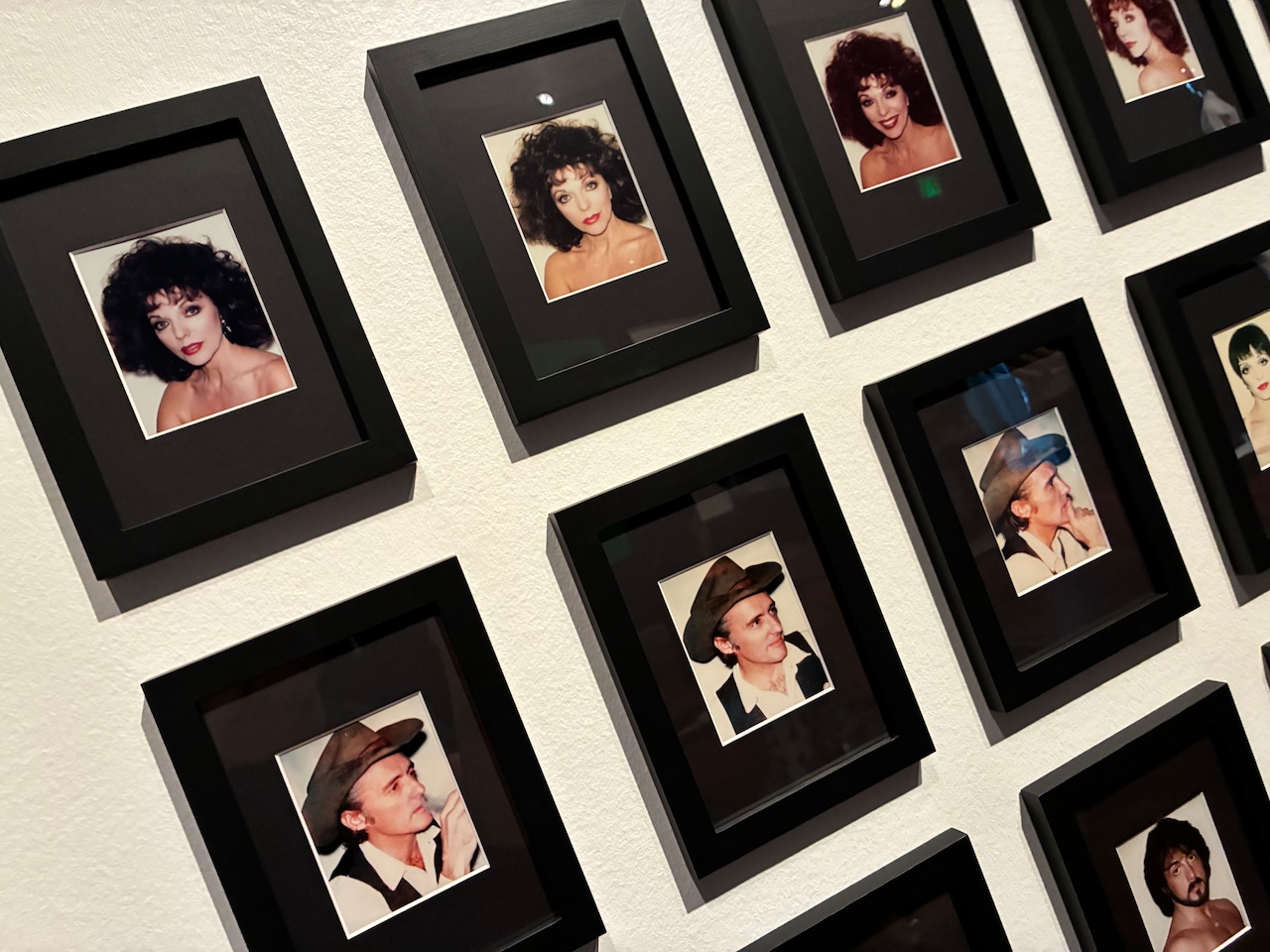 Huntsville Museum of Art’s new Andy Warhol exhibit, “WARHOL: film, fashion, photography.” (Matt Wake/mwake@al.com)Matt Wake
One of the big “gets” is a large array of Polaroid instant camera photos taken by Warhol of celebs like Farrah Fawcett, Sylvester Stallone, Dennis Hopper, Liza Minelli, Arnold Schwarzenegger and Joan Collins. Up close glimpses of zeitgeist.
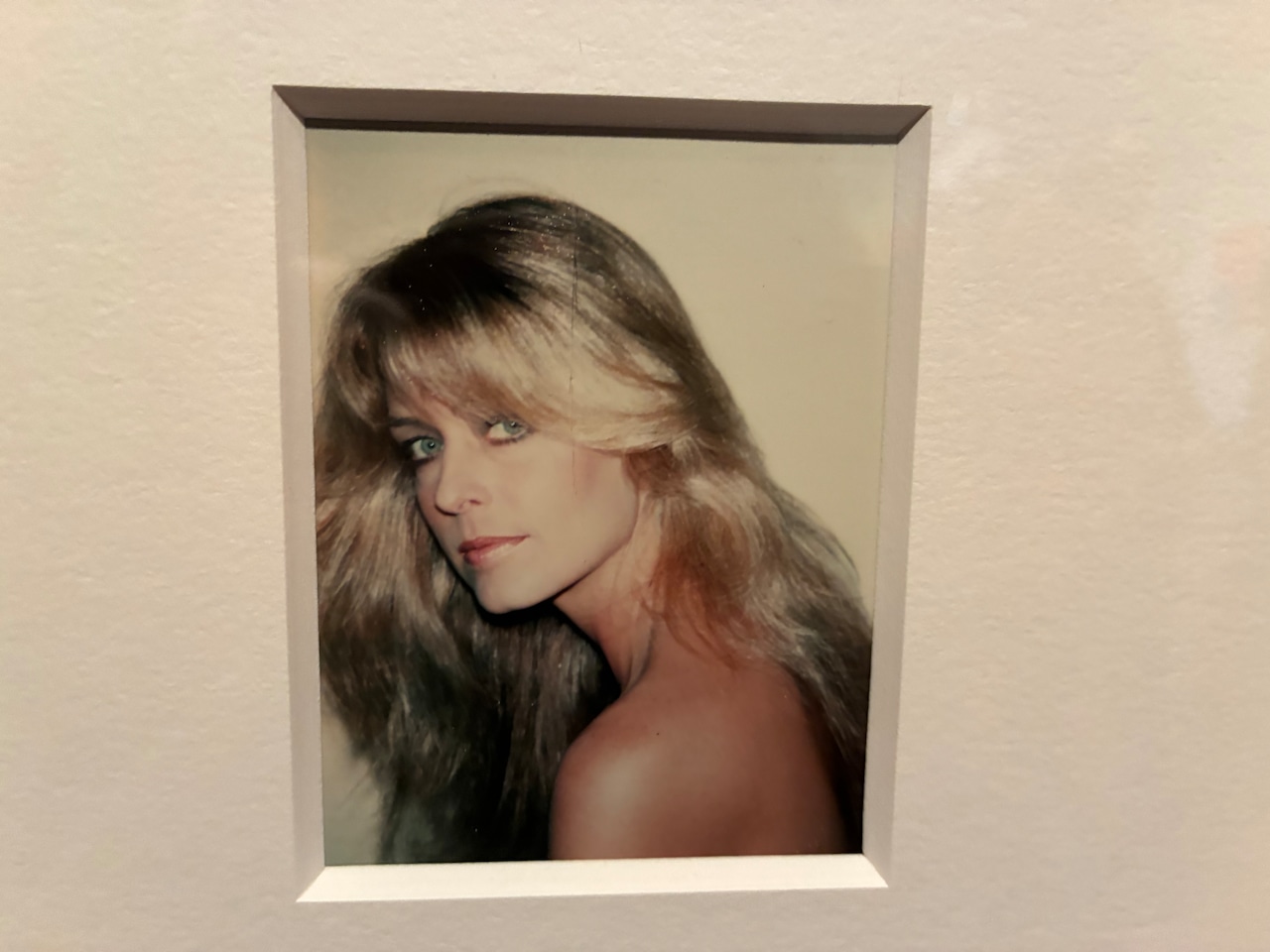 Huntsville Museum of Art’s new Andy Warhol exhibit, “WARHOL: film, fashion, photography.” (Matt Wake/mwake@al.com)Matt Wake
Mead says, “A lot of times the Polaroids aren’t physically shown within exhibition spaces because of light sensitivity issues. So the Polaroids don’t often travel.”
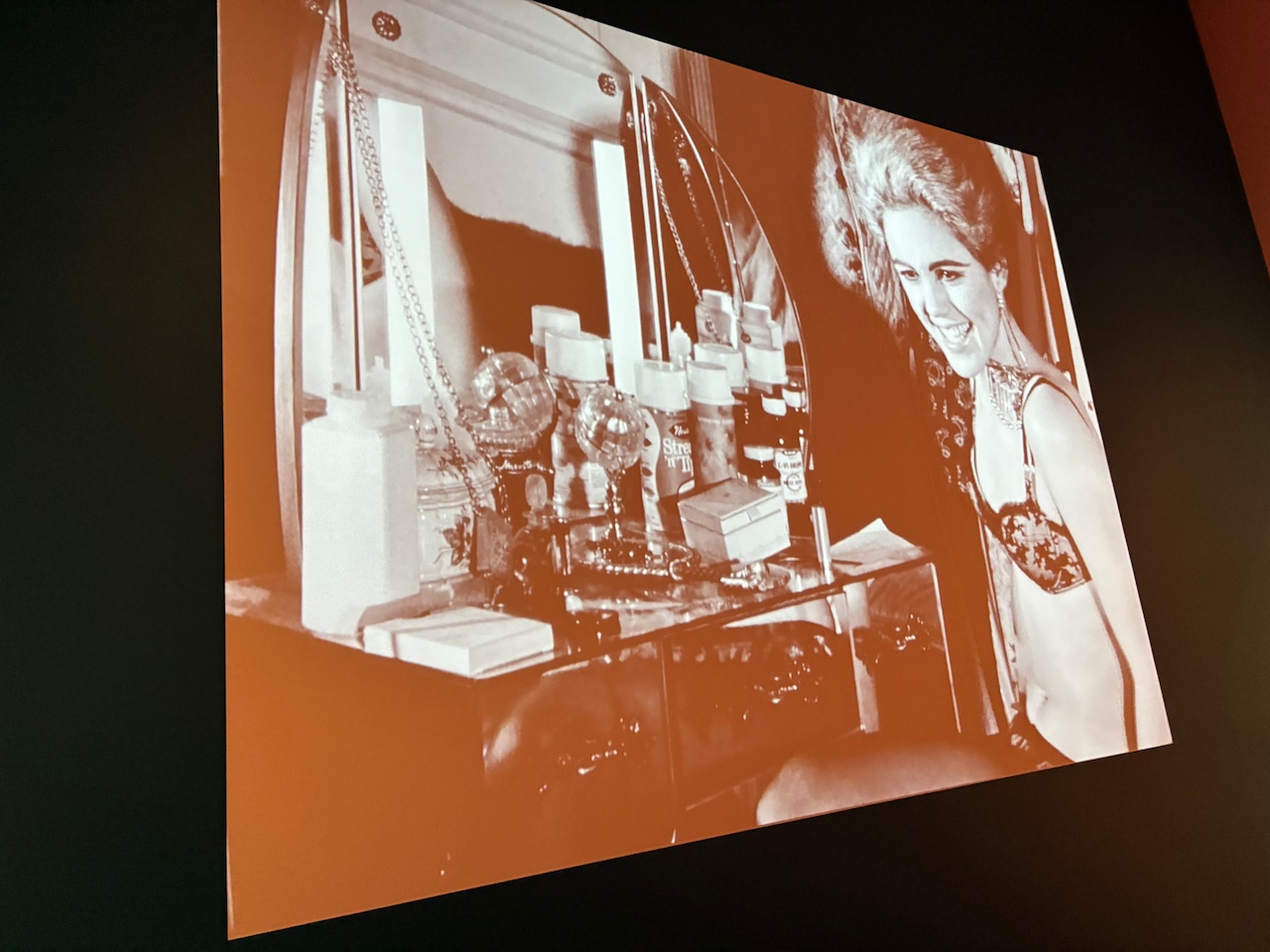 Huntsville Museum of Art’s new Andy Warhol exhibit, “WARHOL: film, fashion, photography.” (Matt Wake/mwake@al.com)Matt Wake
Warhol’s film output is represented by works like “Poor Little Rich Girl,” an experimental black and white film featuring Edie Sedgwick, the glamorous actress and model.
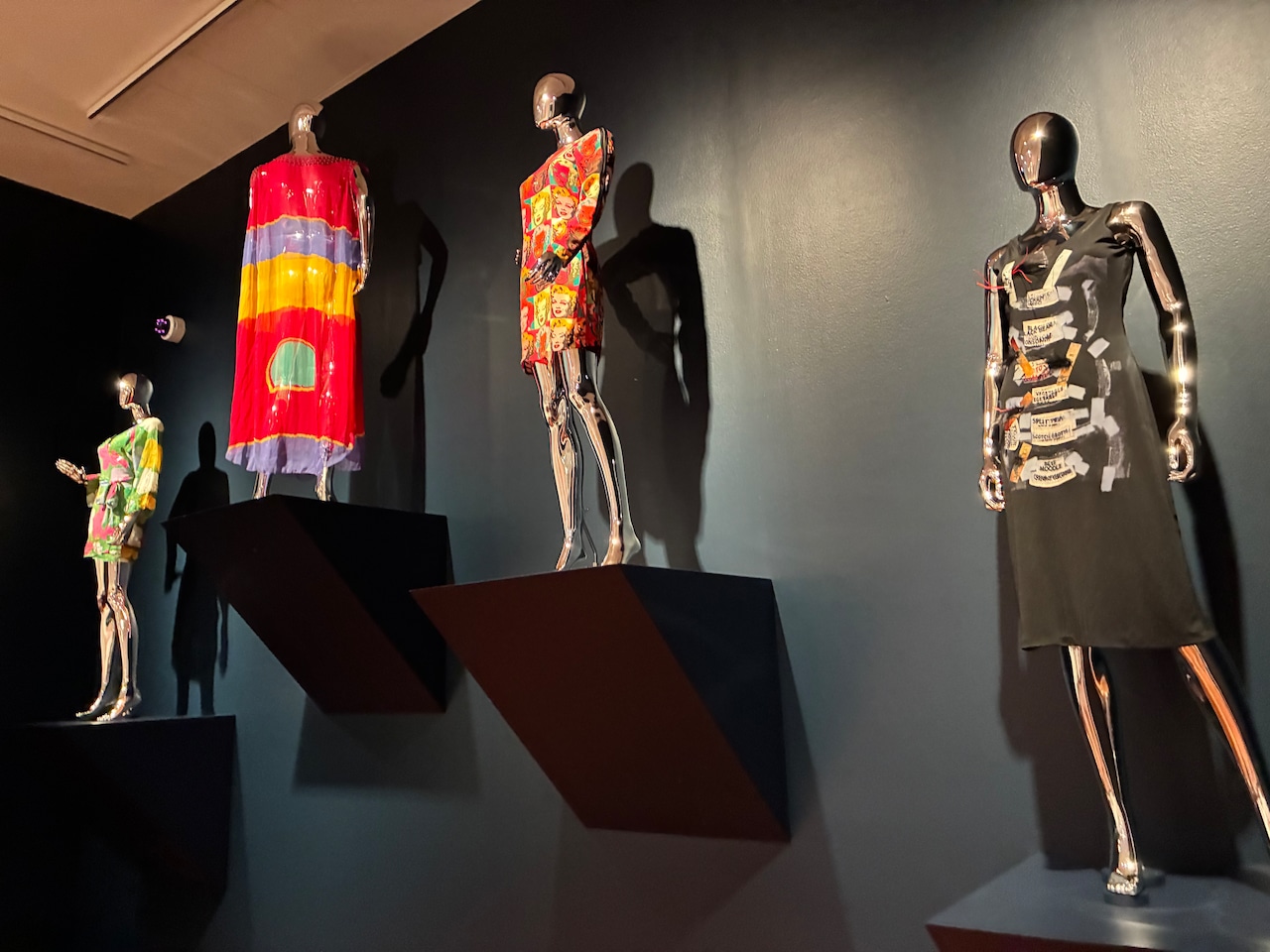 Huntsville Museum of Art’s new Andy Warhol exhibit, “WARHOL: film, fashion, photography.” (Matt Wake/mwake@al.com)Matt Wake
The fashion component’s represented by dresses made by designers like Halston and Dionne von Furstenberg, who worked with Warhol and/or the Warhol foundation.
Boasting patterns with signature Warhol images like Marilyn and the “flowers” series, the dresses are displayed on silver mannequins. Silver was a favorite color of Warhol’s and was prominent in his New York studio, dubbed the Factory.
The exhibit’s been in the works for four years. It was spawned by a conversation Mead had with museum executive director Christopher J. Madkour, who sparked it by saying two words: “Andy. Warhol.”
The dynamic presentation is courtesy of David Reyes, the museum’s head of exhibition installation and design.
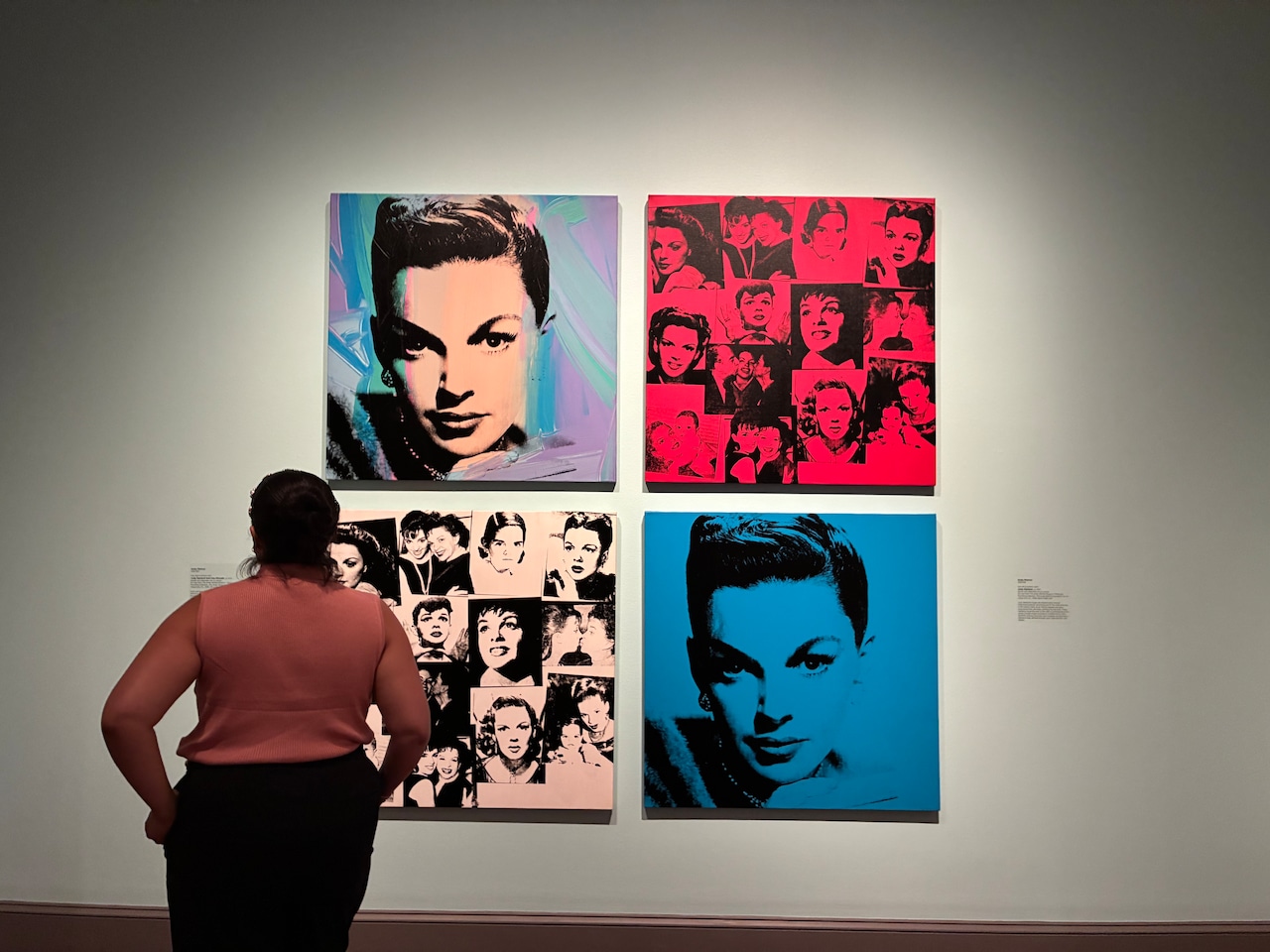 Huntsville Museum of Art’s new Andy Warhol exhibit, “WARHOL: film, fashion, photography.” (Matt Wake/mwake@al.com)Matt Wake
The museum’s celebrating the exhibit with programming throughout the run.
For example there will be a screen printing event with Green Pea Press, and a party celebrating the Warhol’s birthday on August 6.
There are tie-ins with downtown businesses too, like themed caffeine at Honest Coffee, cocktails at upscale eatery Purveyor and pizza at Pane e Vino.
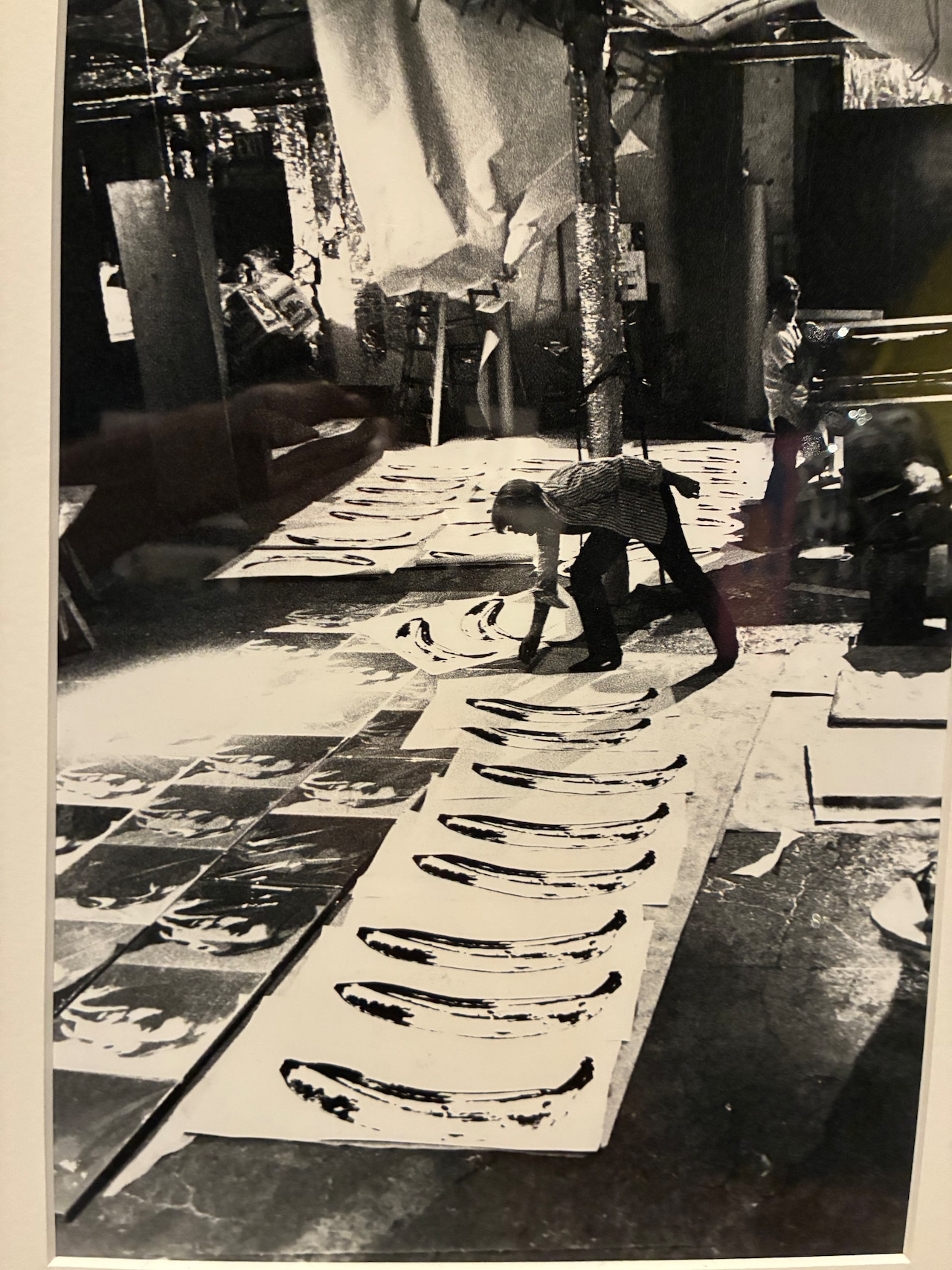 Huntsville Museum of Art’s new Andy Warhol exhibit, “WARHOL: film, fashion, photography.” (Matt Wake/mwake@al.com)Matt Wake
Crucially, on October 1 the museum hosts a 6 p.m. lecture from Vincent Fremont, a key figure in Warhol’s ‘70s and ‘80s inner circle.
Fremont served as vice president of Andy Warhol Enterprises back then. He also coproduced Warhol’s show on MTV and was a founding director of the Andy Warhol Foundation for the Visual Arts, among other bona fides.
On a recent morning, Fremont beams in for a videocall from his Manhattan home office.
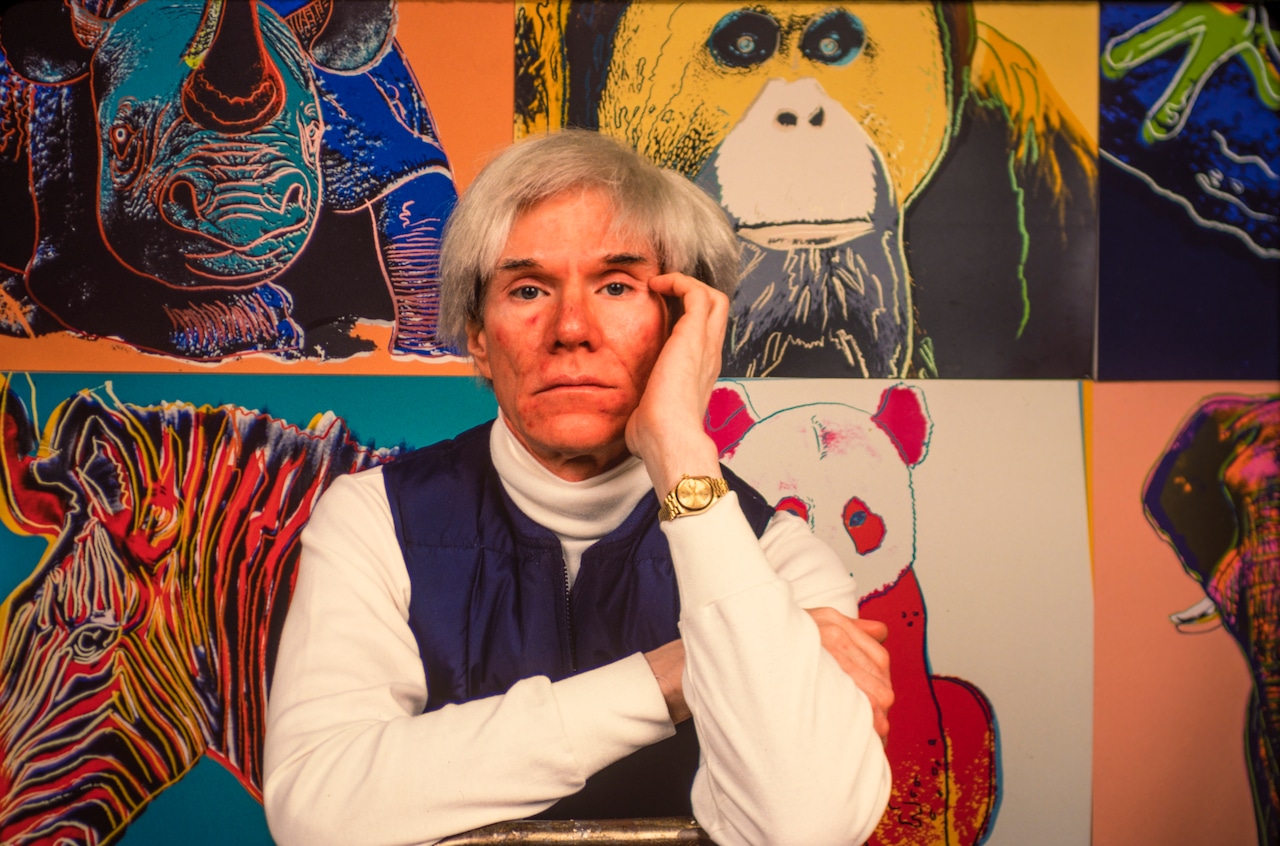 American Pop artist Andy Warhol (1928 – 1987) sits in front of several paintings in his ‘Endangered Species’ at his studio, the Factory, in Union Square, New York, New York, April 12, 1983. (Photo by Brownie Harris/Corbis via Getty Images)Getty Images
“Andy’s world was a very creative world, where you had a lot of people coming in with ideas a lot,” says Fremont, who became a fulltime employee of Warhol’s in early 1971 at age 20.
“He liked being around young creative people. I learned from him as you get older you don’t just see the same people over and over again. You open up yourself to other new ideas, and that keeps you young in that sense.”
Like in ‘80s when a new wave of New York art stars emerged. Jean-Michel Basquiat. Kenny Scharf. Keith Haring. Etc.
“He loved all these young new artists,” Fremont recalls. “He wanted to become one of the boys. So he was very open to being with them, hung out with him as an equal, gave them all advice. He really pushed them to work even harder.”
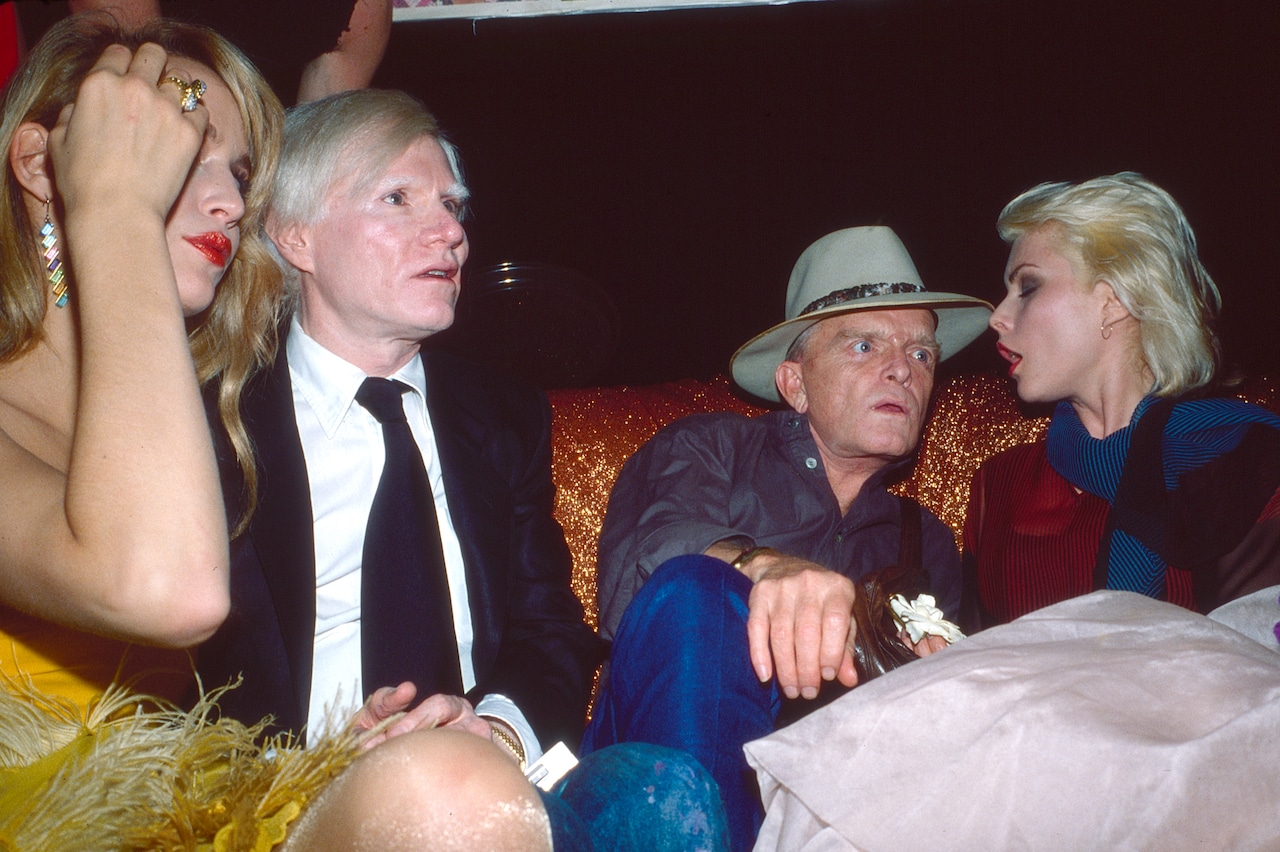 View of, from left, American model Jerry Hall, Pop artist Andy Warhol (1928 – 1987), author Truman Capote (1924 – 1984), and New Wave singer Debbie Harry as they attend an Interview magazine party at Studio 54, New York, New York, June 7, 1979. (Photo by Sonia Moskowitz/Getty Images)Getty Images
Warhol was often out on the town, at New York hotspots like infamous nightclub Studio 54. He had scads of famous friends. “He liked beauties,” Fremont says, “but he actually liked talkers, people who could talk, even more.”
Drive-by perceptions overemphasize the scenester facet. Truth is, Fremont says, “Andy was a workaholic. But he had a philosophy if you’re not having fun of what you’re doing, then don’t do it.”
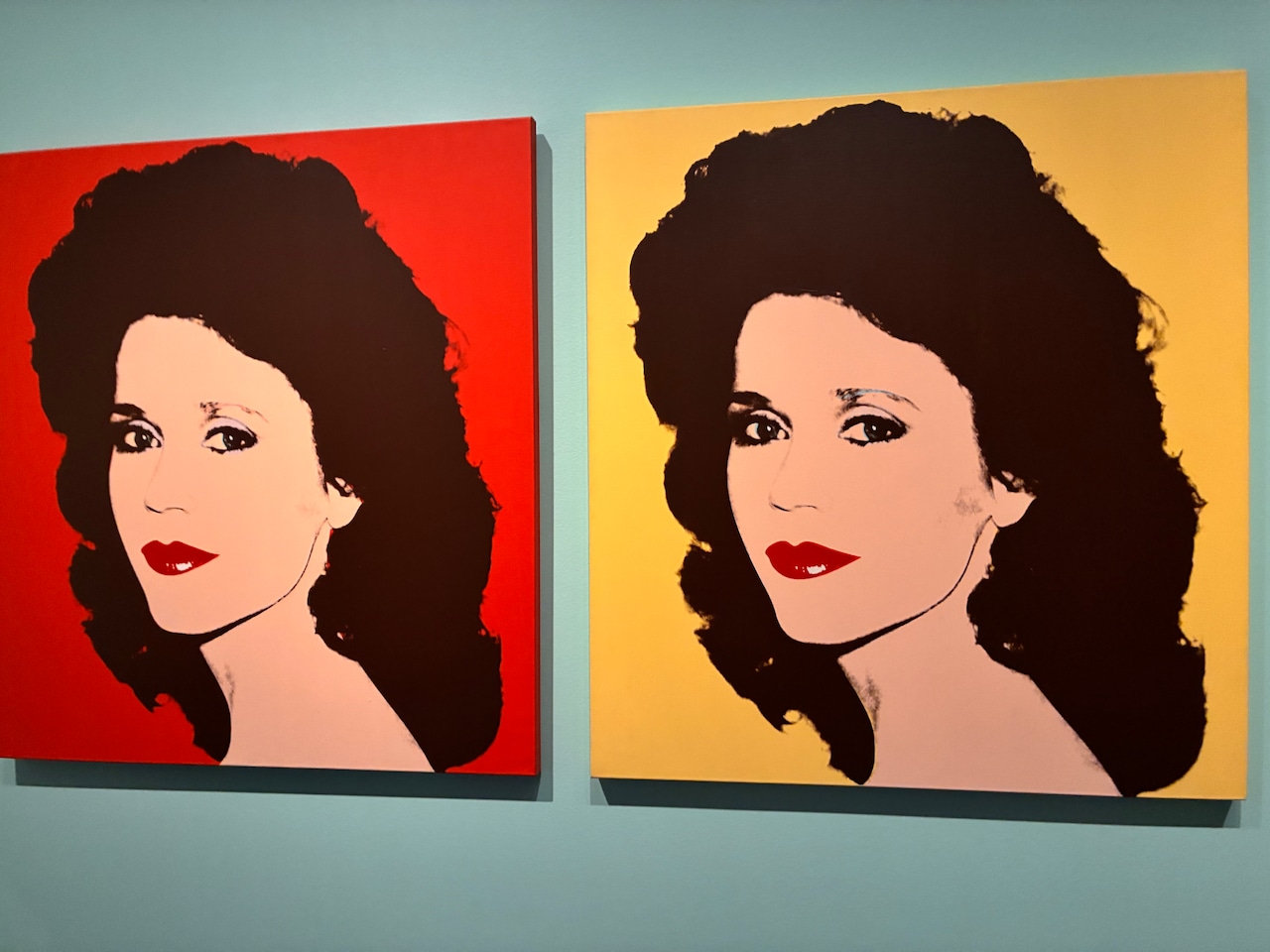 Huntsville Museum of Art’s new Andy Warhol exhibit, “WARHOL: film, fashion, photography.” (Matt Wake/mwake@al.com)Matt Wake
Lunches Warhol hosted two or three times a week at the Factory would be a mix of writers, filmmakers and musicians. And advertisers with Interview, the still-active celeb-focused magazine Warhol founded. Plus, art world denizens.
“Andy was the center of creativity in New York City,” Fremont says. “So if you were an up and coming person or if you made the headlines some creative way, if you were in New York, you somehow ended up having lunch at Andy’s studio.”
Served at the Factory on an art deco sideboard, lunch fare spanned chicken curry to pastas to health food from Brownie’s Creative Cookery.
Libations — for those who weren’t Warhol staffers and working, included wines and vodka from Absolut, the Swedish brand Warhol immortalized in a now-classic image.
“I learned early on,” Fremont says, if you made Andy money, you made money. Because he was very generous with commissions. When people ask me about my education, I graduated from high school, but I went to the University of Andy Warhol.”
Fremont first met Warhol in 1969. This was about a year after an assassination attempt at the Factory, in which Warhol was shot in the chest with a handgun.
That experience, plus a sickness-plagued childhood, inspired the artist’s death and disaster works, depicting electric chairs and skulls and so on.
“Really macabre images, but they’re incredibly powerful to this day,” Fremont says. “After being shot, he almost died — I think he was technically dead for a few seconds. But I think that really preyed on his mind.”
Late in his life, Warhol continued to press forward. He embraced digital art. See the portrait he created on a computer of Debbie Harry, singer from the rock band Blondie.
Warhol and rock music memorably intersected more than a few times. He designed the cover for Velvet Underground’s banana-adorned 1967 self-titled album. He steered the crotch-shot sleeve for 1971 Rolling Stones album “Sticky Fingers.”
Fremont says, “We saw a lot of the Rolling Stones in the ‘70s, but primarily Mick Jagger [Stones frontman], who rented Andy’s house out in Montauk [New York].”
In the ‘60s, Warhol mingled with the likes of Doors singer Jim Morrison and Yardbirds guitarist Jimmy Page, who’d soon go on to found Led Zeppelin.
Later, in the early ‘80s, Warhol videotaped a young Duran Duran for MTV. Artists from Boy George to Blue Oyster Cult were also in the mix.
Unfortunately, Andy Warhol died on February 22, 1987, from cardia arrythmia following surgery for longstanding gallbladder issues.
During his life, Warhol was a master of the soundbite. The most famous being “In the future, everyone will be world-famous for 15 minutes.” Fremont says, “Andy was — with his dry sense of humor, his one liners — very funny.”
So it’s fascinating to wonder what Warhol, if he was still alive, would think about today’s 24-hour news cycle, viral social media and other fleeting digital fame his “15 minutes” foresaw.
After all, instant gratification was a big part of why Warhol loved screen printing and shooting Polaroids.
“I never speak for Andy,” Fremont says. “What he would think he was very unpredictable, which was an amazing thing. But I do think he would have been interested in Instagram and the immediacy of people communicating, through whatever TikTok or whatever it is.”
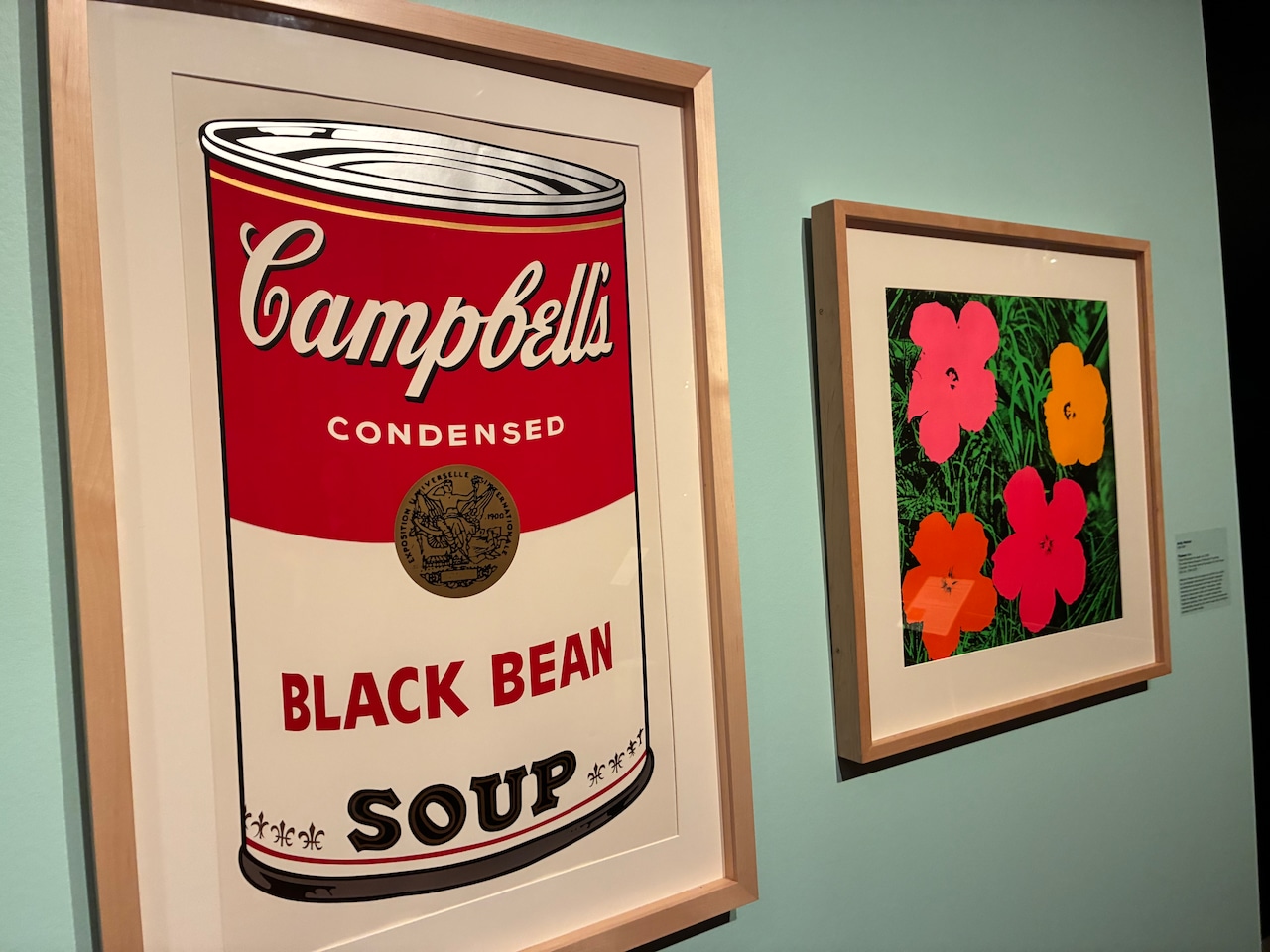 Huntsville Museum of Art’s new Andy Warhol exhibit, “WARHOL: film, fashion, photography.” (Matt Wake/mwake@al.com)Matt Wake
Forty years gone, Andy Warhol remains wildly relevant. But, Fremont says Warhol’s art shows rarely got positive reviews during their time together.
Today, celeb multi-hyphenates — singer/actor, musician/photographer, model/mogul — are commonplace and embraced. In Warhol’s day, not so much.
Fremont says. “The critics of the world, they wanted you to be pigeonholed — be just an artist and you can’t do anything else. And Andy broke those barriers.”