
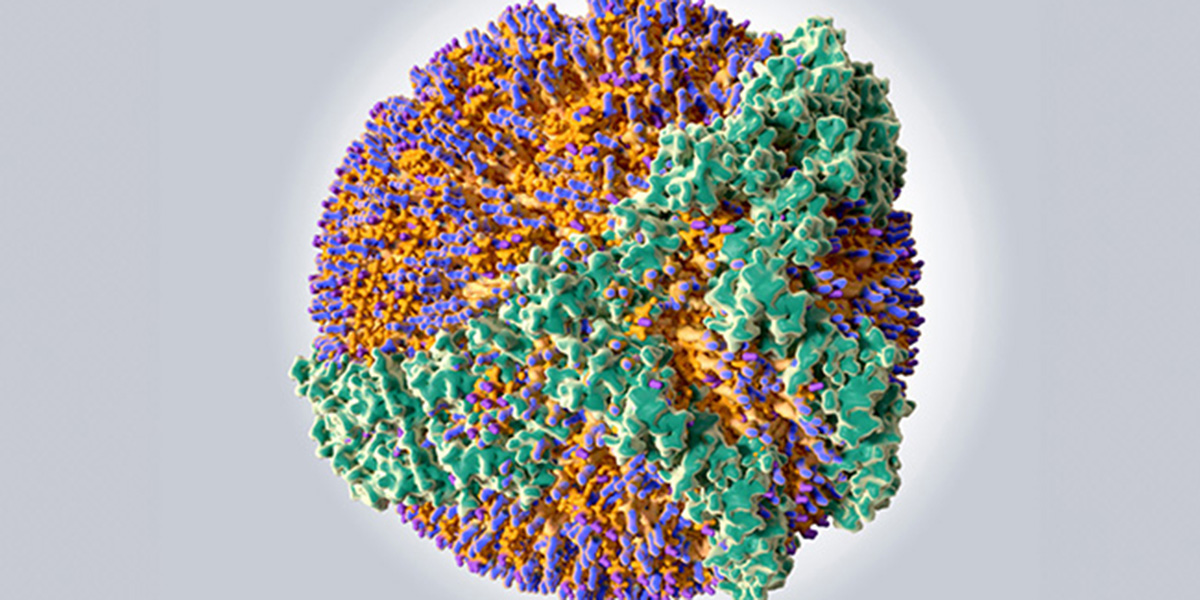
Best known as the so-called good cholesterol, high-density lipoprotein, or HDL, doesn’t just shuttle fats through the blood. It also carries oxylipins, fatty acid-derived signaling molecules that regulate inflammation and support healthy blood flow in the brain. In a recent study published in the Journal of Lipid Research, Julia C. Kelliher and colleagues at Pennsylvania State University and Albert Einstein College of Medicine evaluated whether the oxylipin cargo inside HDL looks different in people with early cognitive decline. They found that mild cognitive impairment was associated with a depletion of protective omega-3-derived oxylipins in HDL, independent of HDL cholesterol levels.
The team analyzed blood samples from adults older than 70 with and without mild cognitive impairment, or MCI. They found that people with MCI had significantly lower levels of specific omega-3–derived oxylipins in their HDL. Notably, these differences were not uniform across all participants. The reduction in beneficial oxylipins was most evident in men and Hispanic individuals, groups that are known to have a higher risk of developing dementia. Importantly, HDL cholesterol levels themselves did not differ between groups, showing that standard lipid tests may miss meaningful changes in HDL function.
These findings suggest that early cognitive decline may be linked to a loss of protective lipid signals rather than a simple change in cholesterol levels. The findings suggest new opportunities to detect and treat cognitive impairment. Future strategies could focus on restoring beneficial oxylipins through diet, supplementation or targeted therapies that improve HDL function. More broadly, the work highlights the importance of looking beyond traditional cholesterol measurements to better understand the role of lipids in brain health and disease.