
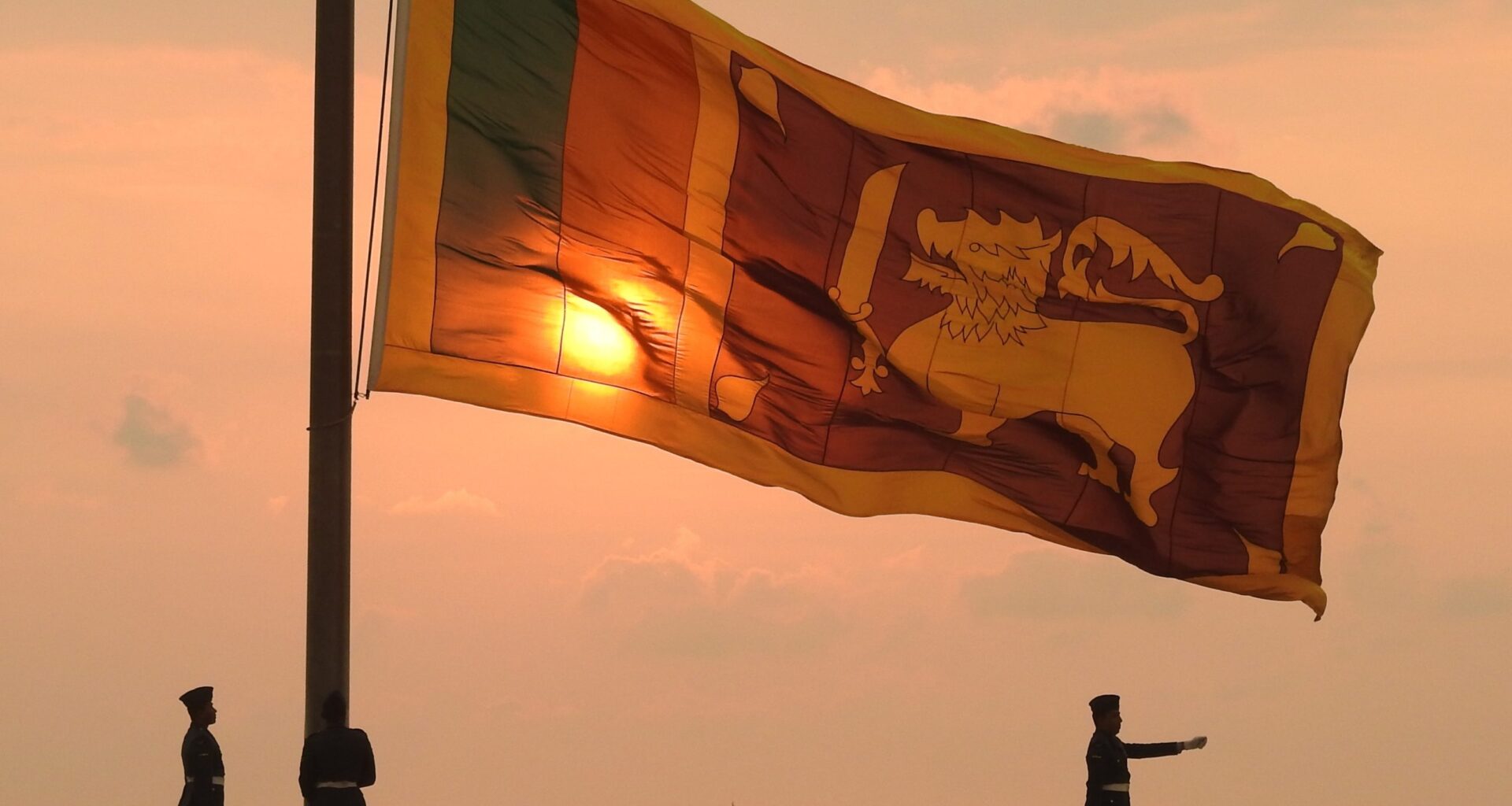
Sri Lanka enlisted its armed forces to fight the country’s worst dengue outbreak in nearly a decade, turning the same air force drones once reserved for surveillance and inspection towards a domestic target: standing rooftop water where mosquitoes breed. As infections climbed past 77,000 and the death toll reached 56 this year, the drones have been scanning neighborhoods from above for dormant pools accumulated during the current southwest monsoon season while military and police officers help inspect homes, construction sites, and schools on the ground. Hospitals faced an influx of more than 18,000 new cases within the first two weeks of July alone, straining a health system already stretched thin.
Dr. Lalindra Dias of Negombo Hospital said he expects the current surge to level off before easing in August, though he cautioned that the degree of severity made such forecasts difficult this year. Kapila Kannangara, Director of Sri Lanka’s National Dengue Control Unit, warned that immunity gained from one of the virus’s four strains offers no protection against the others, telling B.B.C. Sinhala that a person infected by one strain “could still get dengue again if infected by a mosquito carrying another,” and that reinfection “could mean…an even more serious infection.” The response drew international backing with the U.S. Embassy in Sri Lanka announcing on 26 July a new Public Health Pest Control and Vector-Borne Disease Response program with the country’s Ministry of Health, funded through the U.S. Department of War’s Overseas Humanitarian, Disaster, and Civic Aid program. Chargé d’Affaires Jayne Howell said the partnership is meant to “strengthen Sri Lankan communities for years to come.”
The military’s involvement is, in the short term, a sensible use of available resources–drones and trained personnel can cover ground that an overstretched health ministry cannot. But leaning on the armed forces raises a longer-term question: who is accountable for prevention once the drones stand down? A response built around emergency mobilization risks becoming the default fix rather than a bridge to something more durable, particularly if it draws attention and funding away from the public health already stretched before this surge began. A strategy that treats the military as the long-term answer, rather than a stopgap while healthcare capacity and prevention infrastructure catch up, leaves the country exposed to the next outbreak in the same position it is now.
The current outbreak followed Cyclone Ditwah, which struck Sri Lanka in November 2025, triggering more than 1,000 landslides and damaging critical infrastructure and health facilities. “There was a lot of garbage and breeding sites in the environment after the cyclone, and it took local government authorities a lot of time to clear them out,” Kannangara told the New York Times. It is not the first time Sri Lanka has faced a dengue epidemic. Back in 2017, a monsoon-driven outbreak left 410 dead, 336 still reported missing, nearly 233,000 displaced, and in total over 1.4 million people affected across 25 districts–a reminder that this pattern of crisis followed by mobilization is not new. Globally, dengue’s reach has been expanding, too; the World Health Organization reports a 30-fold rise in incidence over the past 50 years, with warmer temperatures pushing dengue-carrying mosquitoes into new regions, including parts of Europe and the Mediterranean.
With no universal vaccine available, treatment still relies on managing symptoms, and authorities are only cautiously weighing a dengue vaccine given the complexity of the strains now circulating. Nearly 11,000 sites were cleared in July alone, but health officials expect cases to keep climbing before monsoon rains ease in August, with the same pattern likely to recur when the second monsoon season arrives later in the year. Sri Lanka’s archived response–drones, troops, sterilized insects, and now international partnerships–may buy the country breathing room this season. Whether it also builds the lasting prevention infrastructure needed to keep the military from becoming a permanent fixture of the country’s dengue response is the question that will determine whether this outbreak is remembered as a turning point or another entry in a recurring cycle.