
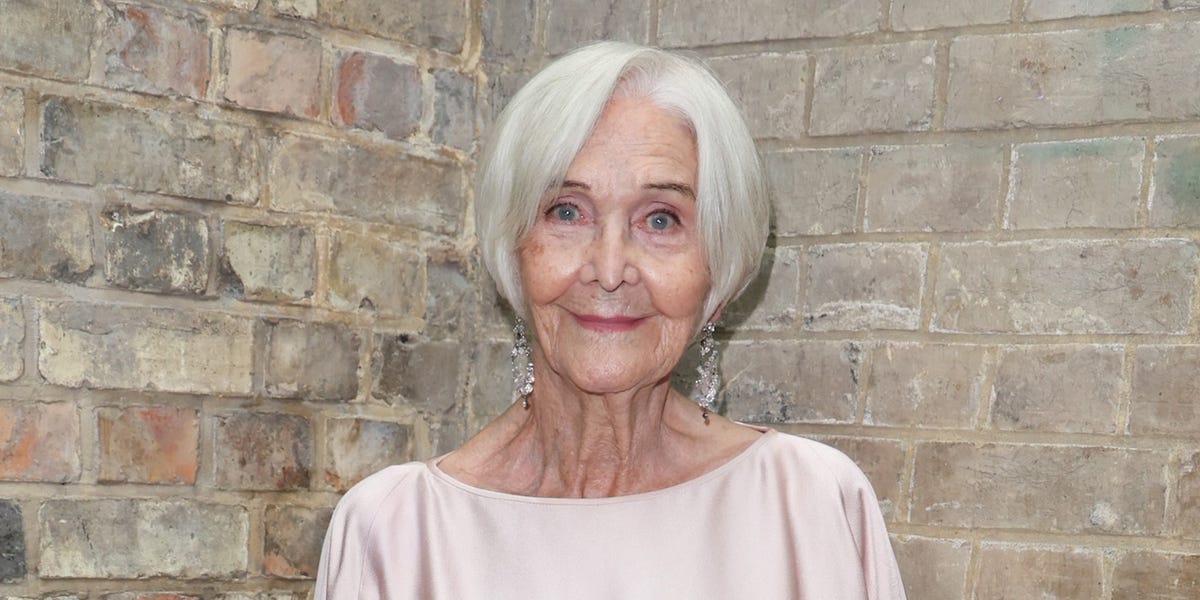
Whether you know her from Edie, The Rag Trade, or the ‘compelling’ BBC crime drama The Sixth Commandment, we can all agree that, at 93, the actress, singer and author Sheila Hancock is a national treasure. And now, in her 90s, the star of screen and stage also happens to be a fantastic source of wellness inspiration.
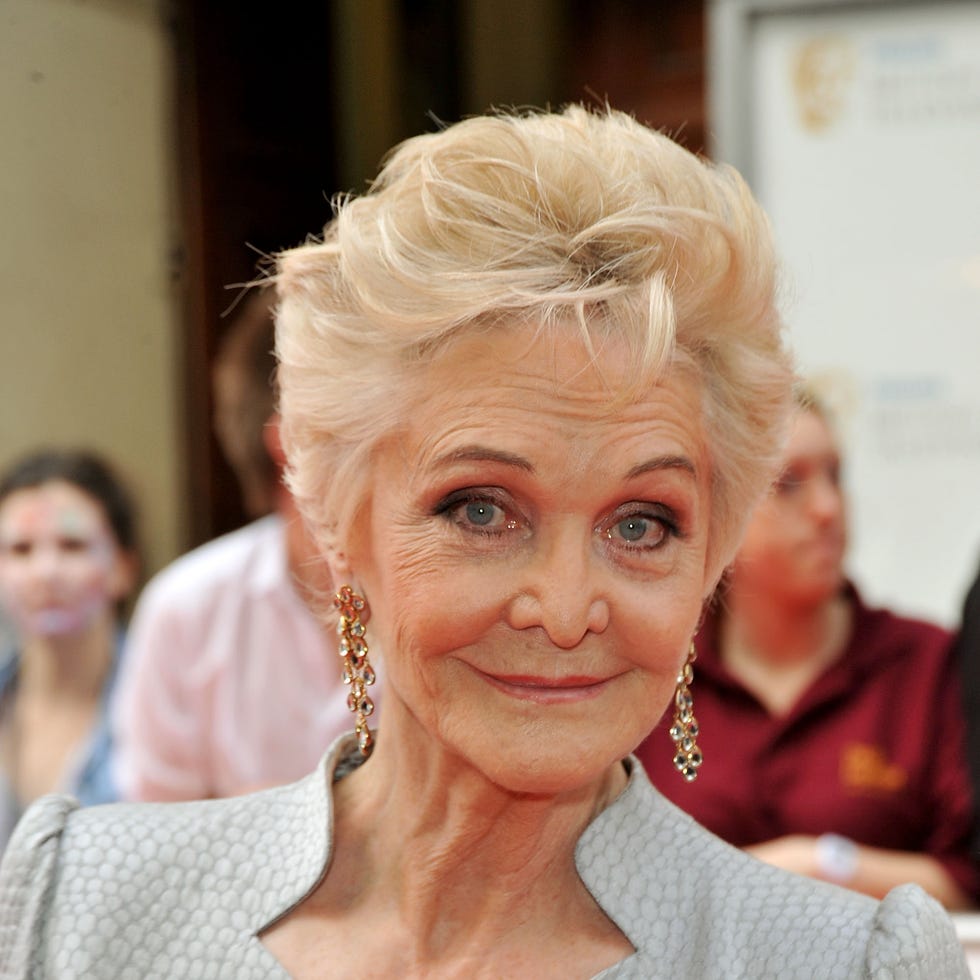
In the 2017 film Edie, Sheila played an 83-year-old woman looking for a fresh start by climbing up the steep Scottish mountain Suilven – and Sheila did all the climbing in the film herself, successfully completing the clamber in her 80s. The director of the film, Simon Hunter, recalled initially asking Sheila to take on the part, writing: ‘My casting director said, “I’ve just seen Shelia Hancock in Grey Gardens and she was bouncing around the stage like a bloody teenager.” A day later, Sheila read the script and said yes. I had lunch with her a few days later and she looked directly at me and said, “You don’t expect me to climb the mountain, do you?” I sort of passed the question over to my producer Mark Stothert and we both looked at the floor for a moment before murmuring, “Well… yes, actually.”’
‘I desperately wanted to do it,’ said Sheila in a behind-the-scenes interview. ‘So I said alright, fine, I’ll do it. And then I went home and thought, “Oh my God, I’m 83 and climbing a mountain.”’
Jon Furniss//Getty Images
The actor more than rose to the challenge. Over the course of three months, Sheila trained up through extensive gym work, Nordic training and long walks in Richmond park. The cast and crew then climbed, camped and filmed over the course of three full days. After reaching the peak and descending back, Sheila celebrated with a glass of red wine.
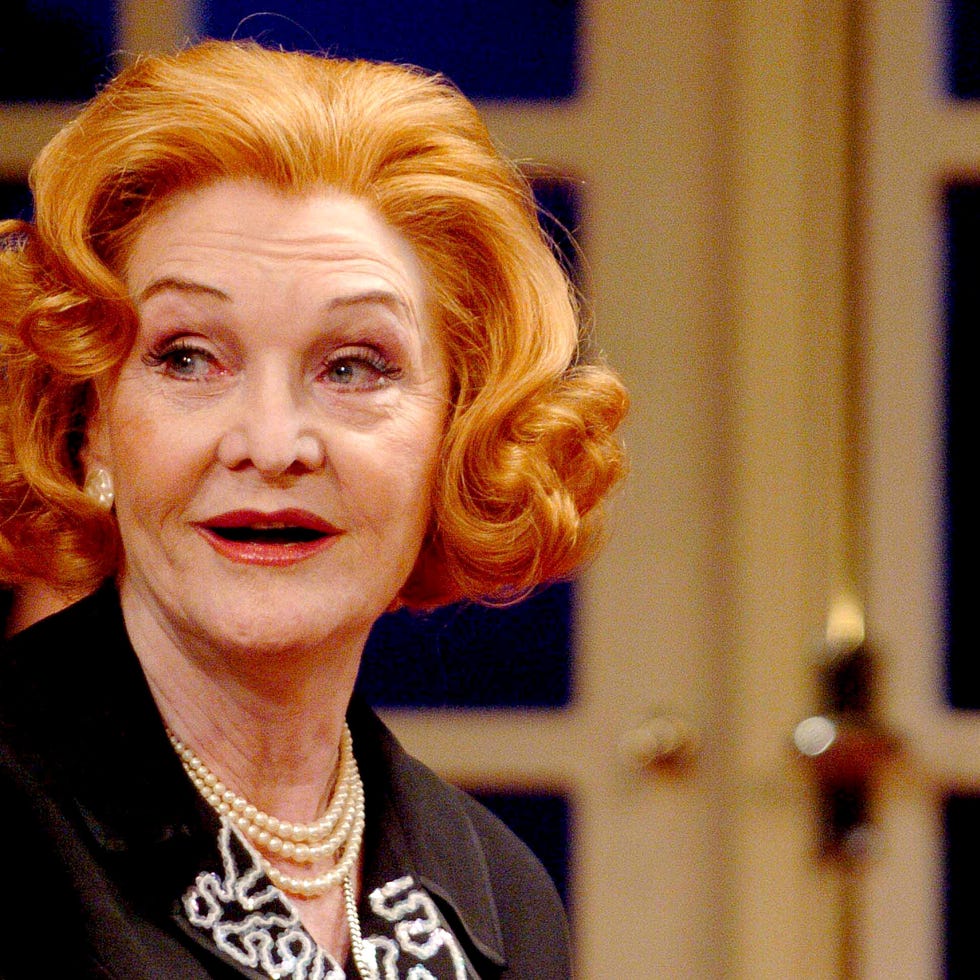
Now, in her 90s, Sheila has had to adjust the sort of physical challenges she takes on – but continues to live a full and very active life. ‘It has all happened so quickly,’ Sheila wrote in a piece for Prospect. ‘Not long ago I climbed a mountain, and now I hesitate to walk half a mile to the shops. […] There is a misconception about age. Bodies do become weaker and slower with age, but this is especially the case if you stop using them. Everyone starts trying to restrict old people’s activity, when we should be encouraged to jump about as much as possible.’
J. Quinton//Getty Images
In a Guardian interview, the Old Rage author said: ‘I am fit, but I work at it. It doesn’t come easily. It’s not natural. I’m still recovering from a broken wrist, and I have a fracture in my back, too. Thanks to the physio at Charing Cross hospital, I can still do weights, and I can still drive. Don’t let them tell you you’re old.’
Sheila is a noted fan of weighted exercises, having become ‘addicted’ to weight lifting in her 80s after struggling to lift her hand luggage into the storage on planes. And in an interview with Katherine Ryan on the What’s My Age Again? podcast last year, Sheila announced she had recently rejoined a gym because her ‘legs are getting a bit feeble’, stating she needed to do ‘some of those pushy exercises’ to rebuild muscle. She also confirmed she had received a diagnosis of rheumatoid arthritis, but that with a combination of medication and exercise she lives ‘a perfectly normal life’.
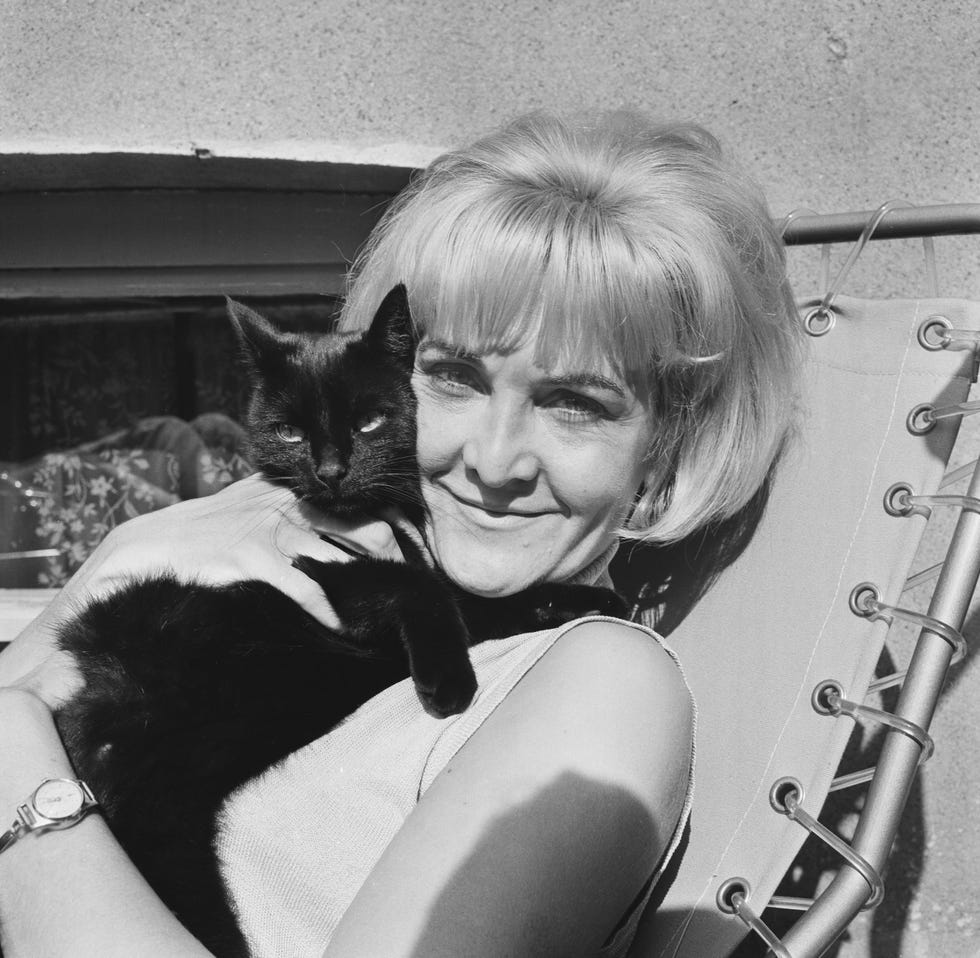
On that podcast, Sheila was revealed to have a ‘biological age’ 20 years younger than her actual age, which she put down to a healthy diet – including a period when she had cancer and ‘went on this meat-free diet’, living ‘mainly on raw vegetables’ – as well as staying active and socialising with other people. ‘I don’t see any reason why, if I work at it, that I shouldn’t live a few more years than I think,’ she added.
Evening Standard//Getty Images
Kim Hawley, Good Housekeeping’s resident fitness expert, believes Sheila’s approach to wellbeing as she gets older is spot-on. ‘Fitness can be built, regained or maintained at any age no matter your starting point,’ says Kim. ‘Rather than focusing on age, we should focus on stage – your baseline fitness and activity levels and abilities and then progress from there. The goal is not to reverse ageing but to live better for longer.’
Ahead, Kim shares her advice on what to prioritise in the later decades of your life:
In your 70s
In your 70s, you can still train relatively hard, particularly if you’re healthy and already active.
This is time to prioritise:
Resistance training 2 or 3 times a week using weights, machines, bands or just bodyweight Cardiovascular work – as often as you can but at least 150 minutes a week Balance and mobility – these are really important so think single-leg work, tai chi, yoga and Pilates Some gentle power work, such as faster sit-to-stands or step-ups, provided joints, balance and medical conditions allow it
The goal is to maintain muscle and bone strength before everyday tasks begin to feel disproportionately demanding.
In your 80s
You should (if you can) still lift challenging weights, but the focus is increasingly going to be on functional strength to stay independent. The more you can do for yourself, the better (on the whole ) your life quality. Focus on things like:
Carrying shopping Climbing stairs Rising from a chair without using your hands Walking outdoors on uneven ground Getting down and up off the floor Turning, reaching and reacting without wobbling
Shorter, more frequent sessions can work well: brisk walks, resistance exercises, balance practice and mobility sprinkled through the day. If balance or confidence is declining, supervised strength-and-balance classes or physiotherapy can be particularly valuable.
Strength, balance and flexibility exercises are vital to improve stability and reduce the risk of falling. Falls at this age can have very serious knock-on effects.
In your 90s
At this point, ‘fitness’ may mean being able to move around your home, use the toilet independently, stand from a chair unaided, walk to the shops or enjoy time with family.
Priorities become:
Frequent light movement, rather than long periods sitting Safe strength work, often with aids such as a chair Supported balance Walking or gentle aerobic activity as tolerated
The NHS specifically advises older adults to be active every day, including light activity, and to break up long periods of sitting or lying down – so, less daytime game show box sets and more Strictly Come Dancing, as long as you join in!
READ MORE ON HEALTH AND WELLBEING: