
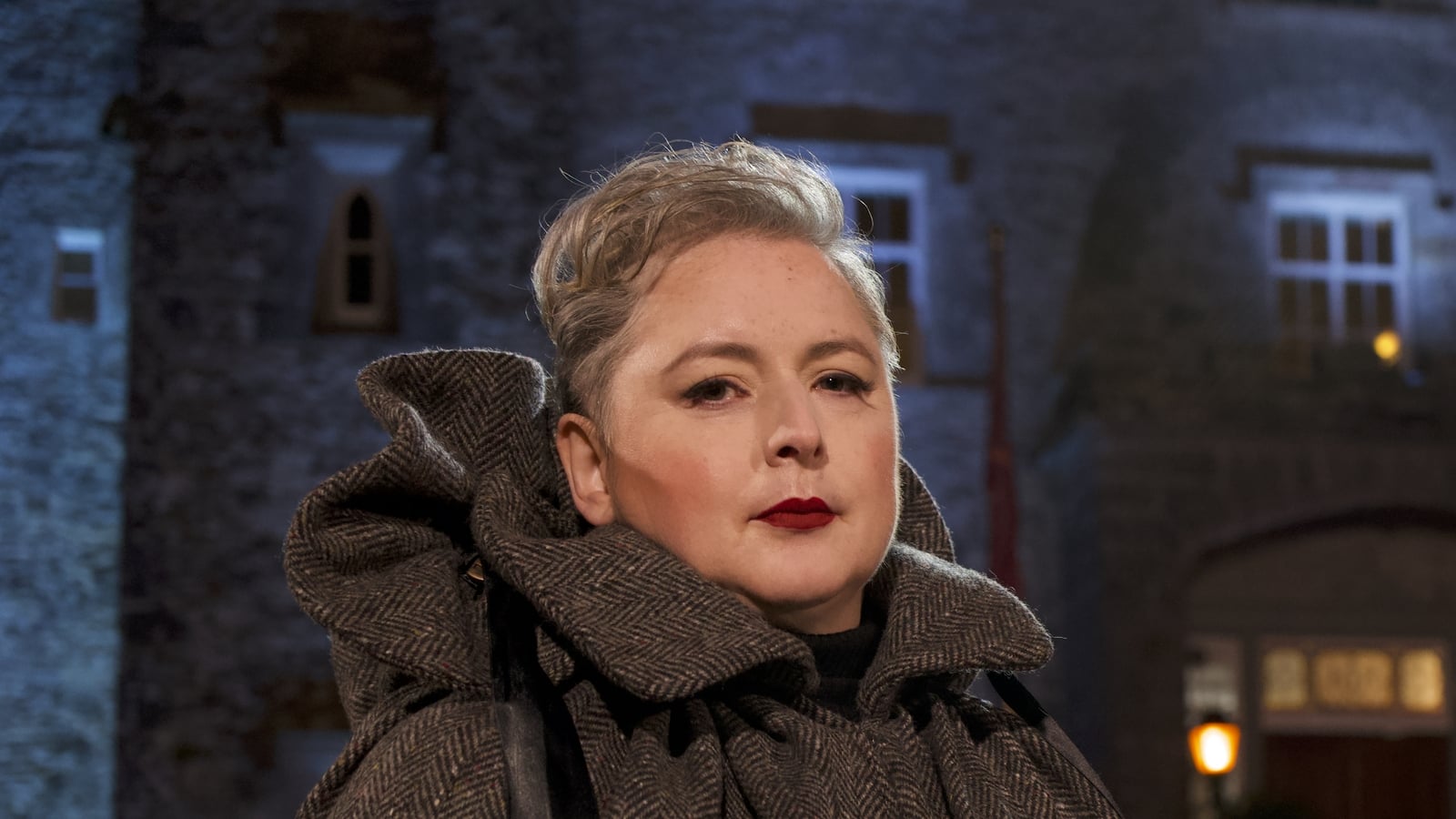
Analysis: The show requires good memory, forward thinking and presentation skills, all of which can be developed and improved
By Suzanne Egan and Marc Scully, MIC
The highly anticipated second series of The Traitors Ireland is back on our screens this weekend. Here are some tips from psychology, and things we learned from Series 1, to help contestants get from the roundtables to the final firepit.
Brush up your memory skills (or write things down!)
The importance and fallibility of contestant’s memory skills came into play at various times in Series 1. Memory skills were tested throughout the challenges from recalling numbers and symbols to win more for the prize pot, to recreating the laughs of scary dolls after running to a phone box in a forest. Memory skills were also key to detecting clues to the traitor’s identities, remembering who said what when, to bring to the round table each night. However, sometimes information and conversations were recalled differently by different people, even when Faithfuls and Traitors were not deliberately trying to mislead each other.
We know from psychology research investigating memory in real world contexts, such as eyewitness testimony, that our memories are not always perfect or accurate and that errors can creep in. Often we remember the gist of things, rather than exact details. One way to overcome this is to write things down. This is a well recognised and very simple way to improve your memory. Series 1 joint winner Faithful Odin kept a journal each night and would record what happened during the day. Perhaps this was one of the secrets to her success in figuring out who was a Faithful and who was a Traitor.
We need your consent to load this rte-player contentWe use rte-player to manage extra content that can set cookies on your device and collect data about your activity. Please review their details and accept them to load the content.Manage Preferences
From RTÉ Radio 1’s Oliver Callan, presenter Siobhán McSweeney on hosting The Traitors
Decide how much of your real identity to reveal
Contestants on the Traitors have an identity within the game, but also identities from their ‘real lives’: as in any social situation, different identities can become salient at different times. Some contestants chose to hide aspects of their identities in Series 1 that they felt would arouse suspicion in the game. For example, Andrew attempted to hide the fact that Paudie was his father, despite one memorable slip up! Some also chose not to reveal their professional identities for fear it would make them a target for the Traitors, such as Garda Eamon or Katelyn’s psychology training.
However, psychology has shown that in high-stakes, stressful situations, we seek support from those with whom we share an identity. So, contestants played up parts of their real identities to try to build relationships with others, form alliances or gain advantages. Alliances based on gender clearly emerged in later episodes, while Christine unsuccessfully tried to form an alliance with John based on their shared Cork identity. How we manage our identities when interacting with others is central to navigating social life: it appears to also be key to achieving success on the Traitors!
Consider how you present yourself
Strategic self-presentation is vital to success on the Traitors. To survive the game you have to convince everyone else that you are a Faithful, whether you are or not. However, you must also be careful about how you present yourself as a Faithful. There is a balance to be managed between maintaining a low profile versus speaking out, or taking on a leadership role. Being too quiet, too opinionated or too savvy can all lead to suspicion.
We need your consent to load this rte-player contentWe use rte-player to manage extra content that can set cookies on your device and collect data about your activity. Please review their details and accept them to load the content.Manage Preferences
From RTÉ Radio 1’s News at One, Commissioning Editor with RTE’s Factual Entertainment Teresa Smith on the new series of high-stakes deception, trickery, and skullduggery in Slane Castle
Advice to ‘just be yourself’ is almost always over-simplistic, in The Traitors and elsewhere in life. As psychologists studying self and identity will tell you, everyone has a number of different versions of themselves. Depending on the situation, we can present the most appropriate version, whether we are in work, at a party or appearing on The Traitors. Therefore, contestants should present a version of themselves that feels comfortable, but also meets the demands of the game.
Think through the hypotheticals and plan accordingly
Finally, another psychological skill that was evident throughout Series 1 was the ability to think hypothetically about how things might play out in the future (prefactual thinking) or how things could have turned out differently in the past (counterfactual thinking). These types of thoughts are all of the ‘what if’s’ and ‘woulda, coulda, shouldas’ that people have, and can include things contestants could have said and done but didn’t, or equally things they perhaps regret saying or doing.
Hypothetical thinking can influence our decisions and our emotions. It can also help us learn from past mistakes and avoid them in the future. What if Paudie had chosen someone different to join him as a Traitor rather than his son Andrew? Would the game have ended up differently if a different Faithful’s had been ‘murdered’ earlier or later in the game? It’s easy to imagine how just one thing being different could have changed the whole outcome.
While we’ll never know how things might have played out differently in Series 1, these tips might help the next lot of Faithfuls walk away with prize pot again.
Follow RTÉ Brainstorm on WhatsApp and Instagram for more stories and updates
Suzanne Egan is a lecturer in psychology at Mary Immaculate College (MIC). Dr Marc Scully is a lecturer in Psychology at MIC
The views expressed here are those of the author and do not represent or reflect the views of RTÉ