
It’s arguably one of the biggest thrills you can experience in culture: getting to see your screen idol up close, in the flesh and doing what they do best just a few metres away from you.
Many Hollywood stars have dipped in and out of theatre over the course of their careers, many returning to tread the boards perhaps in a bid to reconnect with their love of acting or to challenge themselves in front of a living, breathing, reactive audience. And in recent years, it seems that there has arguably been more recognisable names in theatre roles than ever before – whether it’s Paul Mescal in A Streetcar Named Desire (he’ll also return to the National Theatre in London and Dublin’s Abbey Theatre for Tom Murphy’s A Whistle in the Dark in 2027), or George Clooney in Good Night and Good Luck, Keanu Reeves in Waiting for Godot and Denzel Washington & Jake Gyllenhaal in Othello on Broadway. In recent months on Irish shores alone, we’ve seen Matthew Broderick in Ulster American at the Abbey and Chris O’Dowd in The Brightening Air at The Gate, while Brendan Gleeson performed in The Weir at the Olympia Theatre just last year. Perhaps the fallout from Covid has something to do with the increasing trend of theatres landing big names to sell tickets (at increasingly high costs, it must be pointed out); those long months of closures may take years to recover financially from.
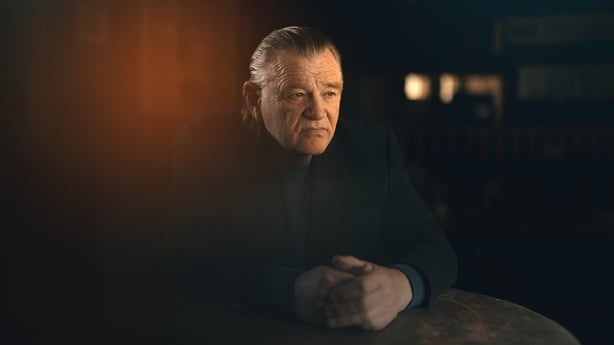
Brendan Gleeson returned to the Irish stage in The Weir
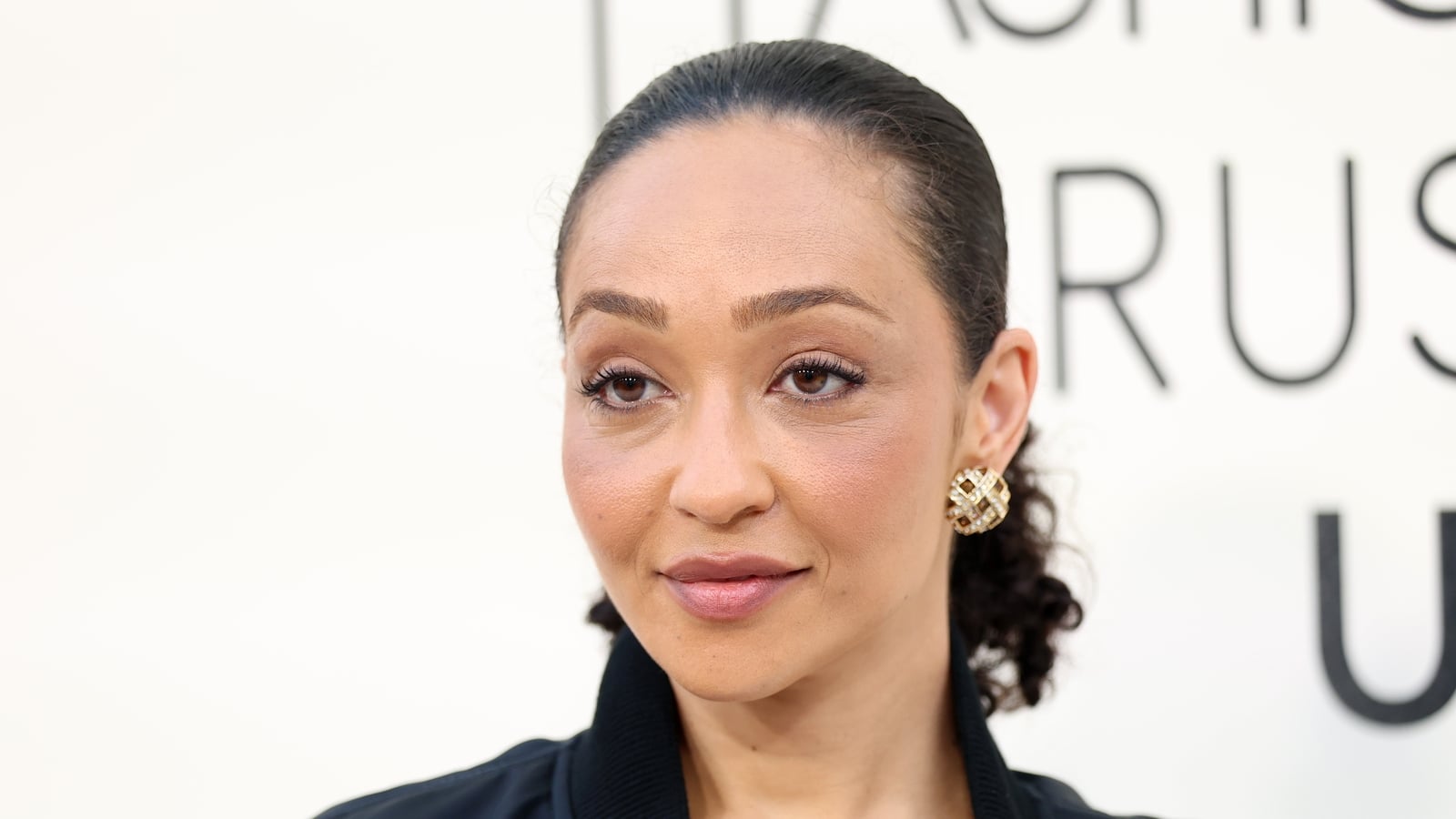
Another big name that was soon due to take to an Irish stage was Ruth Negga. The Limerick actress was set to lead the cast in Radio Bette, a brand new experimental work by New York-based theatre company The Goat Exchange, which runs at the Gaiety Theatre next month as part of the Dublin Theatre Festival programme. An announcement from The Goat Exchange revealed Negga’s withdrawal from the production, with no specific reason offered. “The Goat Exchange regrets to announce that Ruth Negga will be stepping back from Radio Bette,” it read. “We are deeply grateful to Ruth for the time, generosity, and extraordinary work she has brought to the project.”
Negga herself has not commented on the development. Hopefully all is okay with the actress first and foremost, particularly as it’s not as though she has a habit of being unreliable and presumably there was a genuine reason for her sudden departure. But it does leave the company in something of a quandary and perhaps highlights the risk of casting Big Stars: when you sell tickets to a show – particularly a new and untested one like Radio Bette – off the back of a well-known actress’s name/talent, plugging that gap and keeping audiences happy poses a more significant dilemma than simply ushering in an understudy.
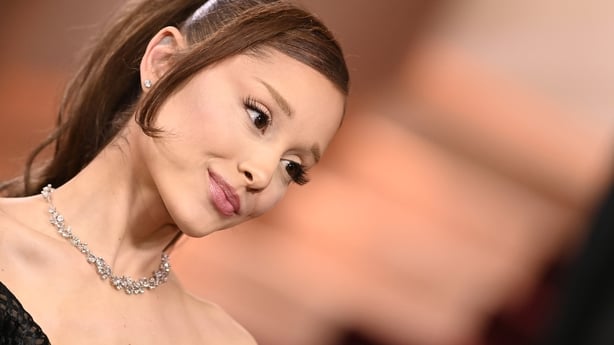
Ariana Grande was due to star in a revival of Sunday in the Park with George
Ruth Negga can rest assured, nevertheless, that she is not the first actor to pull out of a show in dramatic fashion, nor will she be the last. Only last month, Ariana Grande withdrew from the Barbican’s production of Stephen Sondheim’s Sunday in the Park with George, in which she was due to make her West End debut opposite her Wicked co-star Jonathan Bailey in 2027. Grande cited a desire to take “a step back from visibility” following the conclusion of her current tour; a “much-deserved break from public-facing work and appearances, which has led to endless, ongoing public scrutiny”, according to her publicist. Who’d be famous, eh?
As thrilling as it may be to see a great actor performing in ‘real life’, it’s probably advisable to buy your ticket on the basis of the show – and not the star.
Other actors have withdrawn for more specific reasons, including Ian McKellen’s departure from the play Player Kings in 2024 when he was injured after falling off the stage, while Kim Cattrall was due to star in Linda, a new play by British playwright Penelope Skinner, at London’s Royal Court in 2015 but bowed out just days before it opened on the advice of her doctors. She later revealed that she had been suffering from chronic insomnia and was unable to continue for that reason: “I didn’t want to let down the audience, the theatre, playwright or the actors,” she said, adding how the condition had felt like “a gorilla sitting on [her] chest”.
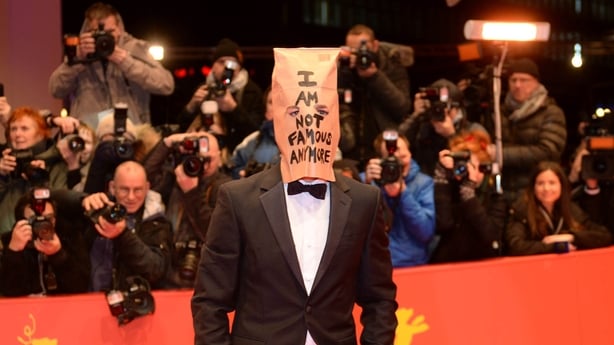
Shia LaBeouf pictured on the red carpet in 2014 (Pic: Getty)
Richard Dreyfuss also (in)famously pulled out of a West End production of The Producers in 2004 just four days before previews began, with sources citing his inability to cope with the “rigours” and physical demands of the singing and dancing role after the recurrence of a shoulder injury. He was replaced at the last minute by Nathan Lane, who had held the same role on the Broadway production (and who presumably negotiated a handsome paycheck for himself in the process.) In 2013, the perennially-troubled Shia LaBeouf dropped out of a Broadway revival of Lyle Kessler’s 1983 play Orphans a month before it opened, after clashing continuously with his co-star Alec Baldwin. The director Daniel Sullivan admitted that the pair were ‘incompatible’ and that he had “become worried about (LaBeouf’s) performance choices.” LaBeouf was ultimately replaced by Ben Foster.
Of course, there is nothing whatsoever to say that creative differences or clashes had anything to do with Ruth Negga’s departure from Radio Bette; her reasons for doing so are entirely her own business. However, it does highlight an important lesson for audiences which has been pointed out by many others in the past: as thrilling as it may be to see a great actor performing in ‘real life’, it’s probably advisable to buy your ticket on the basis of the show – and not the star. It would be terrible to be disappointed before the curtain is even raised.
The Dublin Theatre Festival 2026 runs from September 24th – October 11th – find out more here
The views expressed here are those of the author and do not represent or reflect the views of RTÉ