
As the weather cools and the days shorten, the once lively dawn chorus has dwindled to a hush
12:29, 08 Sep 2026Updated 15:19, 08 Sep 2026
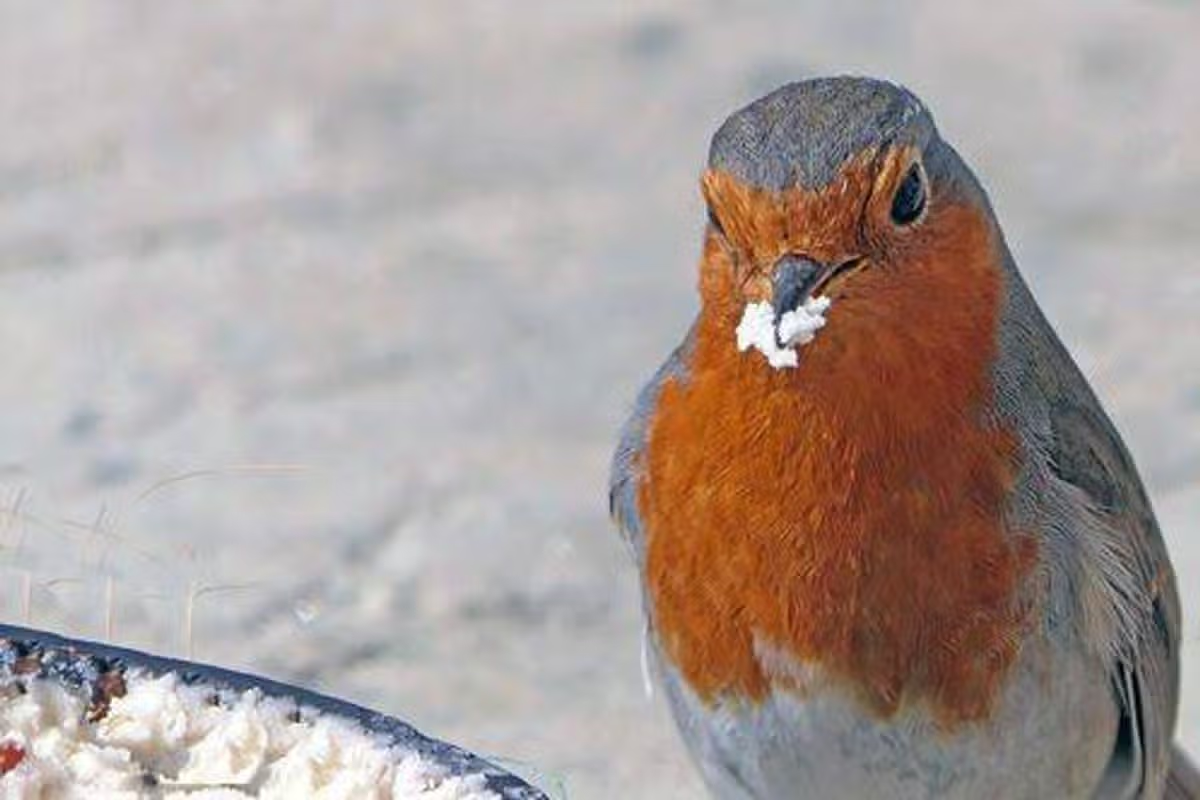
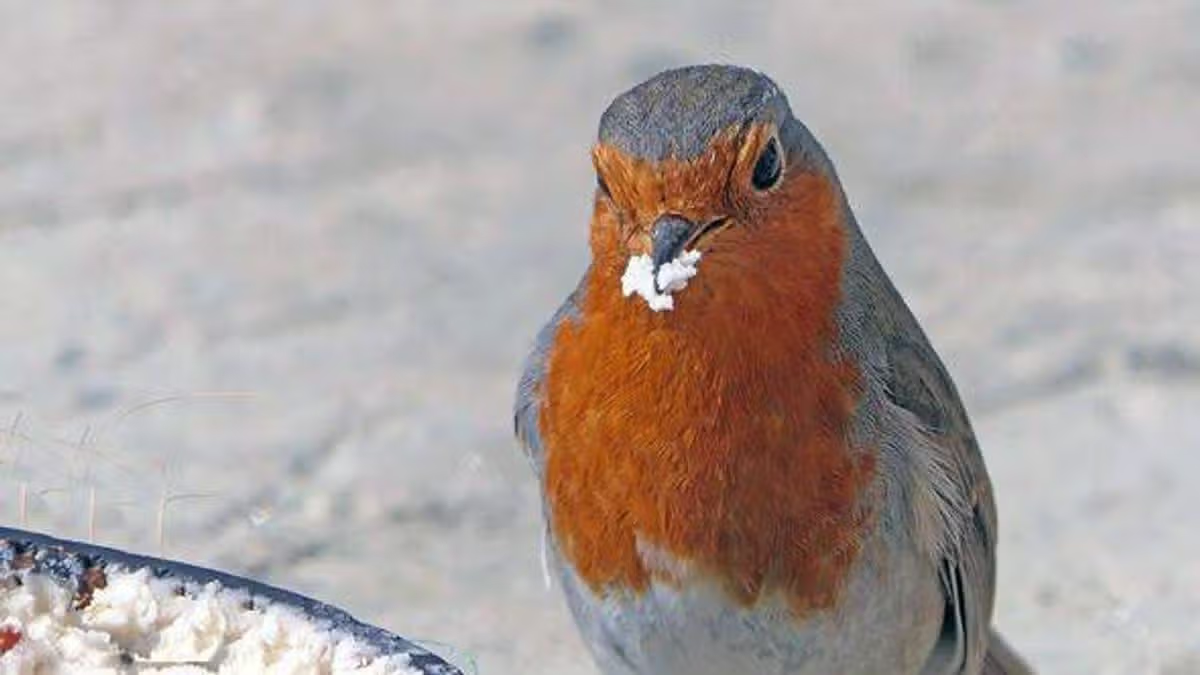
Keep robins coming back to your garden with 1 food they ‘absolutely love’ in September(Image: Getty)
September can feel surprisingly still in Irish gardens, with the familiar chirping and singing of birds dropping off noticeably. As the vivid colours of spring and summer give way to autumn’s more muted tones, many bird lovers find themselves longing for those well-known sounds.
The once bustling dawn chorus has faded to near silence, leaving many wondering, “Where did all the birds go?” It’s a question that crops up regularly at this time of year, with many assuming they’ve all headed off to warmer climes.
While some have indeed migrated, it’s also down to a combination of natural instincts and seasonal changes that lead many birds into a quieter, more withdrawn period. Those that do remain, however, could still benefit from a little assistance, particularly when it comes to finding food.
The RSPB recommends continuing to provide bird food and water “on a regular basis” throughout the autumn and winter months. They particularly highlight one type of food: “Birds need high-energy, high-fat foods during cold weather.”
Energy-rich and high-fat foods that birds tend to favour include:
SuetPeanutsSunflower seedsMealworms
“Mealworms are a key for robins, they absolutely love them,” says Sue Morgan, CEO of SongBird Survival. “But I think if you went with sunflower hearts and mealworms… robins would really like those.”
When feeding garden birds, there are crucial factors to bear in mind, especially concerning hygiene and disease prevention: “Always adjust the quantity given to the demand, and never allow uneaten foods to build up,” the RSPB advises.
Clear away any remaining feed and watch out for signs of sickness. If you have a bird bath, it’s essential to maintain it regularly.
Earlier this year, the RSPB stopped selling its flat bird tables following concerns they could contribute to spreading deadly diseases amongst finches.
Following the breeding season, adult birds are exhausted. Their feathers, vital for both flying and keeping warm, are completely ragged and damaged.
To prepare for the challenging autumn and winter period, our avian visitors undergo a full moult. This is an incredibly energy-draining process, rendering birds more susceptible and less inclined to venture out.
“Moulting is a physically demanding time for birds,” the RSPB explains. “They need to conserve energy, so they become much quieter and spend more time hidden amongst vegetation, making them less conspicuous.”
Regarding food, nature’s larder is overflowing: During spring and summer, birds gather at feeders as natural food can be scarce, and they’re in urgent need of energy to nourish their chicks. By September, however, there’s an abundance of natural fare available.
Berries are ripe for harvesting, plants are laden with seeds, and insects are in abundance. With such a feast available, birds aren’t as dependent on your feeders and will disperse to hedgerows, woodland, and garden shrubbery to sample a more diverse diet.
“Wild food sources like berries, nuts, and fallen fruits are at their peak in autumn,” observes the British Trust for Ornithology (BTO). “Meaning birds don’t have to rely as heavily on supplementary feeding.”
Birds are maturing and preparing for migration: The juvenile birds that emerged in spring are now testing their wings. They’ve become self-sufficient from their parents and are exploring new areas.
This “dispersal” can result in a marked reduction in the typical number of birds spotted in gardens. Furthermore, some of our summer visitors, such as swallows and housemartins, are actually preparing for their extended journey southwards.
While their departure is fairly obvious, it’s simply part of the broader seasonal shift.
Many of our resident birds are merely keeping a low profile and focusing on survival. Even if your garden seems quieter, the birds remain present, though maintaining a more discreet presence.
You can assist them during this difficult period by:
Providing water: Fresh, clean water for drinking and bathing is essential, particularly as natural puddles may evaporate.
Leaving wild areas: Resist the temptation for an immaculately neat garden. Heaps of leaves, seed heads, and undisturbed shrubs offer essential shelter and food sources.
Providing high-energy foods: Keep supplying quality bird seed, suet and fat balls, as these offer vital energy for moulting and winter readiness, particularly as natural food sources start to diminish later in the autumn months.
Want to see more of the stories you love from Dublin Live? Making us your preferred source on Google means you’ll get more of our exclusives, top stories and must-read content straight away. To add Dublin Live as a preferred source, simply click here.
Join our Dublin Live breaking news service on WhatsApp. Click this link to receive your daily dose of Dublin Live content.
We also treat our community members to special offers, promotions, and adverts from us and our partners. If you don’t like our community, you can check out any time you like. If you’re curious, you can read our Privacy Notice.