

Listen to this article
Estimated 3 minutes
The audio version of this article is generated by AI-based technology. Mispronunciations can occur. We are working with our partners to continually review and improve the results.
The P.E.I. Watershed Alliance is looking for landowners with abandoned wells on their properties to take part in a project that’s monitoring the Island’s bat population.
The non-profit’s project began over five years ago. It uses acoustic monitoring to track where bats are living in hopes of ultimately restoring their habitat.
Rebecca Ramos, the watershed alliance’s monitoring specialist, said the group has now installed a dozen bat cages in abandoned wells around P.E.I. — and researches want to find more.
She said making sure bats can spread out when they hibernate will help cut down on the spread of diseases like white nose syndrome.
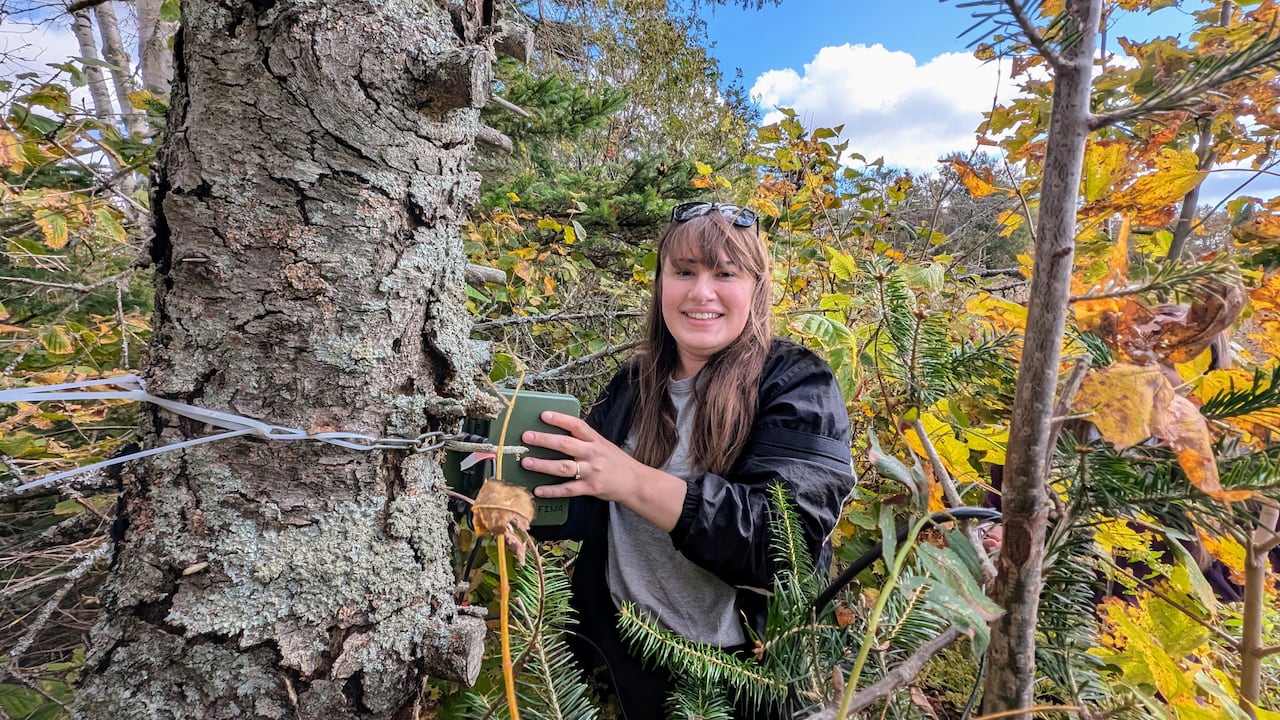 Rebecca Ramos, the P.E.I. Watershed Alliance’s monitoring specialist, says the group is looking for abandoned wells on the Island that can mimic the cave habitat of bats. (Ken Linton/CBC)
“Similar to disease prevention in humans, if everybody is not congregating in the same well and they are in different wells, then it helps with the disease spread,” Ramos said.
“It gives them a little bit more time … for us to find a solution through vaccines or also for them to become naturally immune to this disease.”
Ramos said around 90 per cent of bat species in North America have been lost to white nose syndrome.
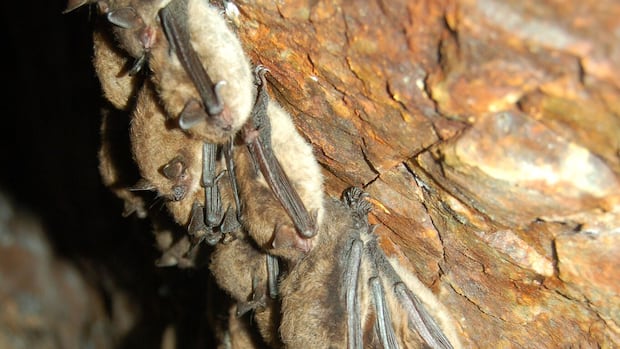
Little brown bats and northern long-eared bats contract the syndrome when a fungus in their hibernation areas causes them to wake up, burn energy and go out into cold weather looking for food. The bats can quickly die from exposure.
The humidity and temperature bats need to hibernate are exactly the type of conditions that allow white-nose fungus to grow in places like caves and wells, Ramos said.
But, she added, by having more available wells, the disease won’t spread as fast.
Ramos said old, hand-dug stone wells mimic the habitat of caves.
So far, the watershed alliance has found multiple wells on properties across the province that could be used as habitats. Last year, the group covered three of them with aluminum bars about six inches apart.
Ramos said researchers are working on a vaccine for white-nose syndrome, and eventually bats will develop a natural immunity.
In the meantime, the watershed alliance has money to build more bat cages, and is asking anyone with a hand-dug stone well on their property to get in touch.
Ramos said the P.E.I. Watershed Alliance also conducts surveys where bats rest or sleep in the summer to collect population estimates. She said those surveys show populations stabilizing at some locations and growing slightly in others.