
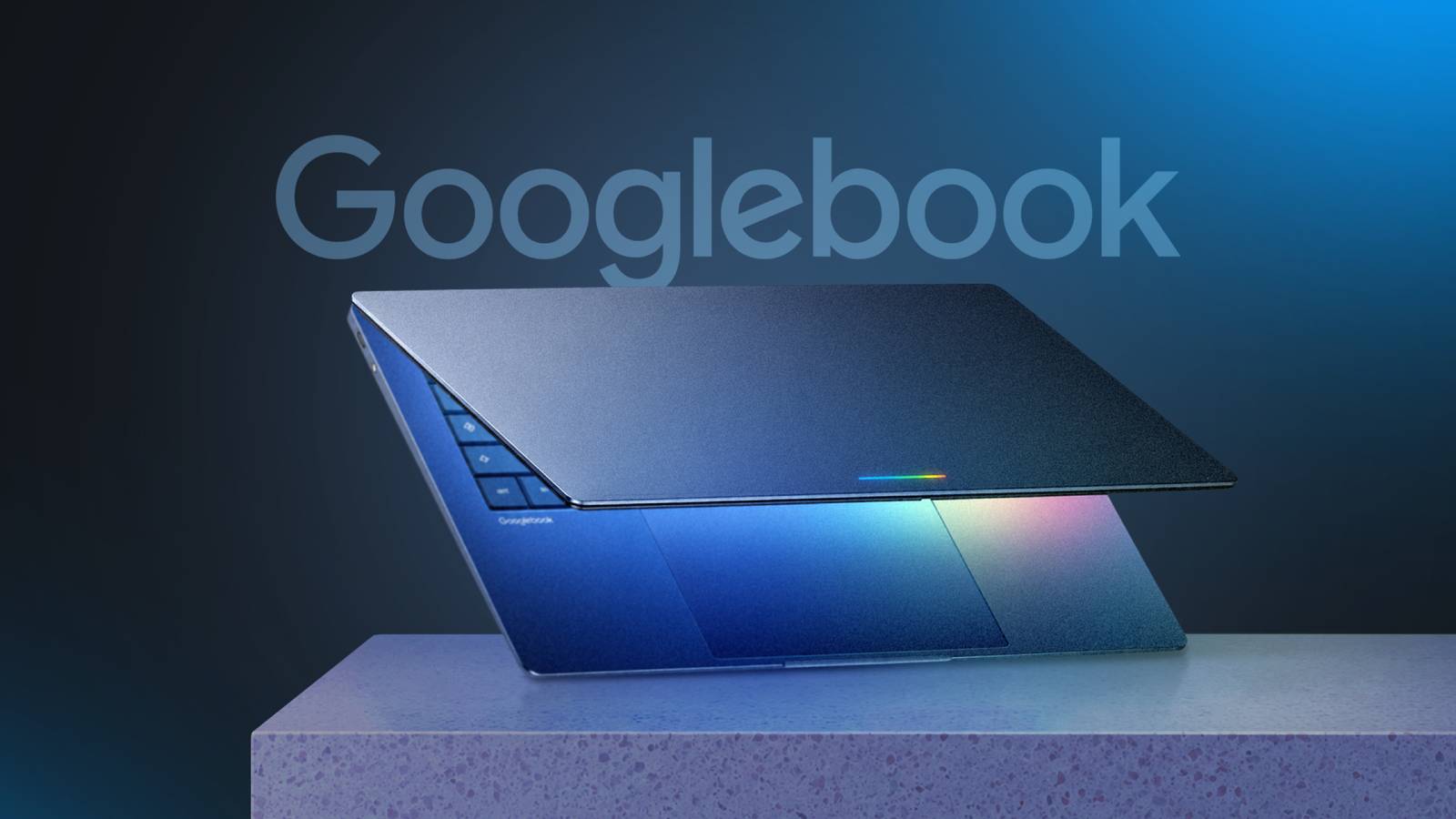
There’s a lot we don’t know about Googlebook, but that hasn’t stopped Google from announcing that preorders will open on September 21. Fortunately, we won’t have to wait that long for more details, as the company will officially unveil Googlebook to the media at an event in New York City in less than 24 hours.
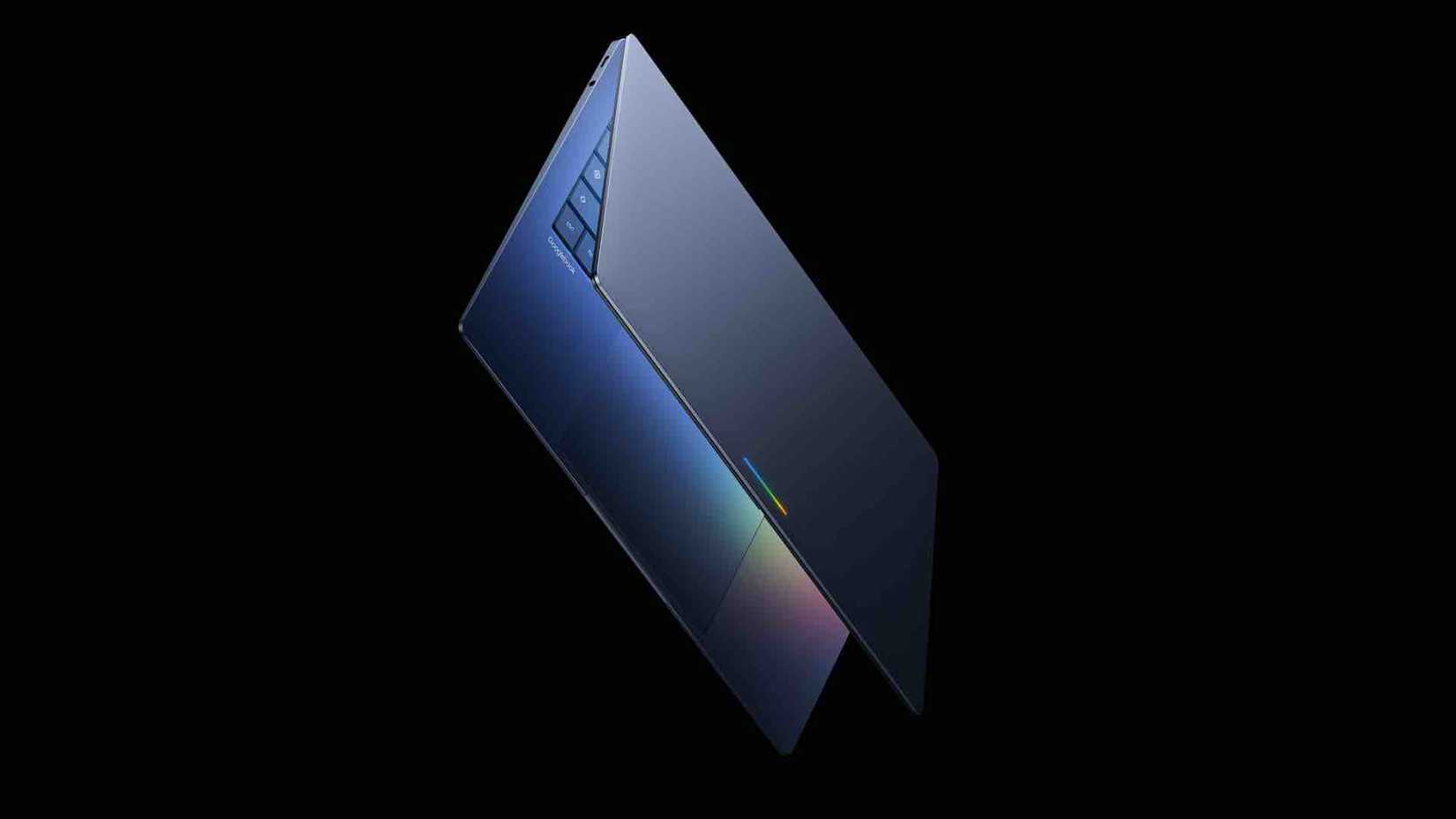
Besides announcing the preorder date on X with a teaser video, Google sent an email to users who had signed up to express interest in Googlebook. That teaser video does not reveal much about Googlebooks, except showing off the light bar that’s likely going to be a staple of the device.
Hopefully, unlike the Pixel 11’s HiLight, the Googlebook’s light bar offers more functionality.
While Google is teasing the Googlebook, it won’t be manufacturing one like Pixel phones. Instead, Asus, Acer, Dell, HP, and Lenovo will be among the first wave of companies to offer Googlebooks. So, when you place a preorder on September 21, you will be ordering a device from one of these companies through the Google Store.
More than a Chromebook with a new OS?
Credit: Google
If you’re hesitant about preordering a Googlebook next week given the lack of information, don’t worry. Google’s event in less than 24 hours should reveal more about the devices. But in a nutshell, think of a Googlebook as a more premium Chromebook that uses Android as its base instead of ChromeOS.
Remember Aluminum OS? That’s what Googlebooks will run, replacing ChromeOS. This will enable Googlebooks to natively run Android apps, solving a major problem that plagues Chromebooks. Plus, you will gain access to the full desktop version of Chrome for a better browsing experience.
The only other thing we know about Googlebooks is Magic Pointer, which turns your cursor into an AI assistant.
On the hardware front, Googlebooks will supposedly feature a 16:10 display, with leaks suggesting high-end models may sport an OLED panel with a high refresh rate and a lightweight chassis. Depending on the model, they will either use a Snapdragon X Elite processor or an Intel CPU.
The bigger question with Googlebooks is how well the software will take advantage of the powerful hardware. Running Android apps is one thing, but they should feel at home on a laptop with a considerably larger screen and without a touchscreen.
Hopefully, Google has some nice surprises in store for Googlebooks beyond expensive hardware running a new OS.