
 Impact of prolonged Iran war filtering into people’s walletspublished at 08:03 BST
08:03 BST
 Faisal Islam
Economics editor
While it is not a surprise inflation has accelerated given the renewed pressure on energy prices, it is a sign of further price pressures to come. The impact of a prolonged Iran war is filtering back into people’s wallets.
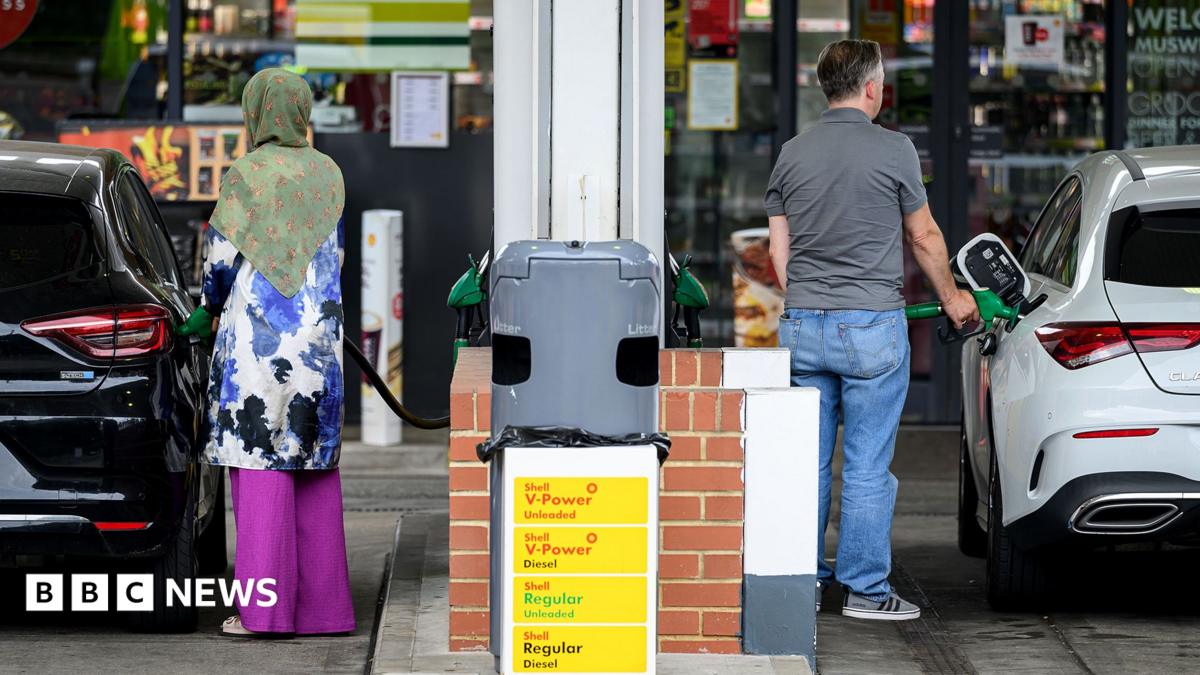
Inflation rose to 3.1% in the year to August, driven mainly by increases in prices at the pump for petrol and diesel as well as air fares last month.
Since then, oil and gas prices have accelerated further as tensions between Iran and the US intensify, and petrol and diesel prices have risen even further.
With the domestic energy price cap also set to rise further next month, this rise is a sign of what is to come in the coming months.
The rise takes the inflation rate above other major European countries, and will continue the pressure on the Bank of England to raise interest rates to limit the spread of inflationary pressures.
Measures of underlying inflation, for example in the service sector, remained stable. Food price inflation also remained at recent lows.
The Bank makes its next decision on interest rates tomorrow, and while it is forecast to keep rates at 3.75% for now, it is expected by markets to raise rates in the coming months.