
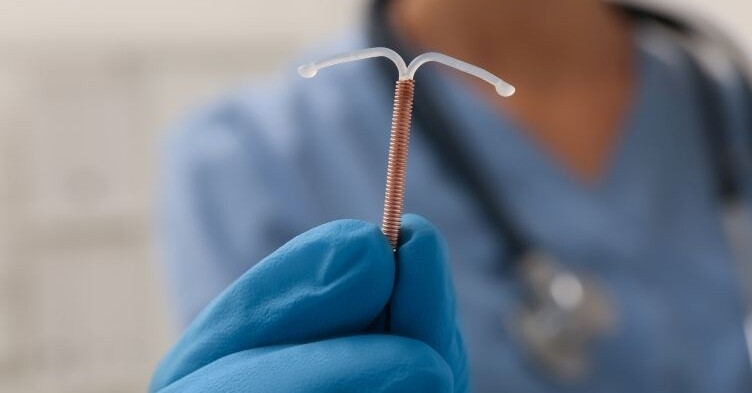
A new method involving local anaesthesia in the uterus could reduce pain during IUD insertion, a new study has found.
The study, conducted by the Karolinska Institutet and published in the journal JAMA, found that the method increased the number of women who described pain during the procedure as ‘tolerable’.
It involved using a small amount of local anaesthetic, introduced into the uterus via a thin plastic catheter a couple of minutes before the procedure.
Researchers said the results may encourage more women to choose an IUD – a small, T-shaped birth control device placed inside the uterus – as a method of long-acting contraception.
Related Article: RCN Foundation offers £1,200 grants for nurse wellbeing projects
The randomised study, carried out at 11 gynaecological clinics and youth health centres in Sweden and funded by the Swedish Research Council, involved 370 women aged 18 to 31 who had not previously given birth.
Participants were randomly allocated to receive either the local anaesthetic, called mepivacaine, or a saline solution prior to IUD insertion.
Neither the participants nor the healthcare staff knew which treatment was being administered.
On a scale of 0 to 100, the average pain score was 43.8 among participants who received mepivacaine, compared with 58.6 among the participants who had saline solution.
The study also revealed that the proportion of participants who described the pain as ‘tolerable’ rose from 91.4% in the saline group to 98.3% among those receiving anaesthetic.
More than half of the women in the mepivacaine group also found the procedure ‘easier than expected’, compared with around a third in the control group.
Related Article: Nurses given step-by-step guide for managing patients with incomplete vaccinations
Most participants found administration of the anaesthetic itself to be ‘only mildly painful’.
Co-author Professor Helena Kopp Kallner said: ‘We can see that the method not only reduces pain but also means that more people find the procedure acceptable.
‘Our study shows that the method works when compared with no active treatment, but it also needs to be compared with other pain relief methods.’
Lead author Karin Elgemark added: ‘It is a simple method that does not require needles and is easy to use in everyday clinical practice.’
However, the researchers said a limitation of the study was that the method was not compared with other types of pain relief.
Related Article: Zika virus: what nurses need to know
They said this means it was ‘not possible to determine’ whether the method was ‘more effective than alternative treatments’.
Moreover, the findings were based on self-reported pain, which may be influenced by individual experiences.