
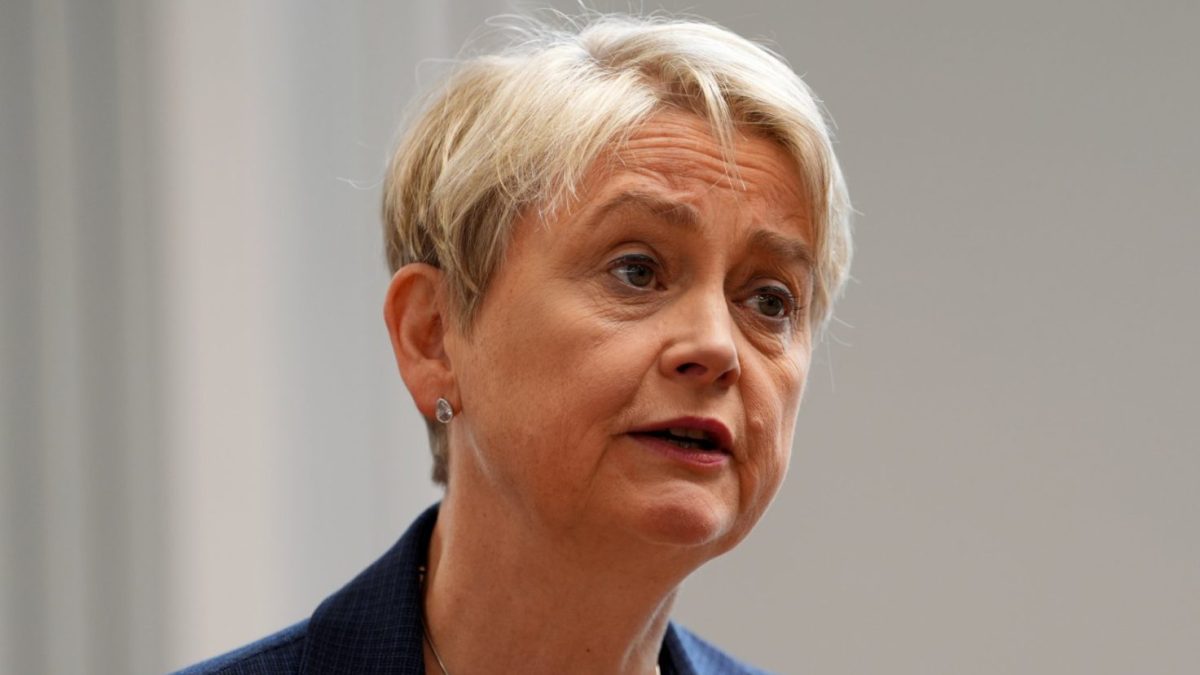
Health Secretary Yvette Cooper has raised hopes that a breakthrough dementia drug could be made available on the NHS.
Lecanemab, which is used to treat early-stage Alzheimer’s disease, is set to be manufactured in Britain and distributed worldwide – but is not available on the NHS.
Now, veteran Cabinet minister Yvette Cooper has told The i Paper that changes to cost-effectiveness guidance from the health spending watchdog will improve access to many treatments, which could include the availability of dementia medications.
Shorts
Scroll to previous short
Scroll to next short

 Caption: A teenager looks at her smartphone in Brussels on July 7, 2026. The European Commission estimated, on July 6, 2026, that the French bill banning social media access for children under 15 was not fully compatible with European Union law, while reaffirming its support for the initiative. Like France, Spain and Denmark are also working on the introduction of a digital age of majority to follow Australia’s example, who became in December 2025 the first country to implement such a law. (Photo by Nicolas TUCAT / AFP via Getty Images)
Photographer: NICOLAS TUCAT
Provider: AFP via Getty Images
Source: AFP
Copyright: AFP or licensors
social media
EU announces plan to restrict social media access for under-15s
The EU has announced plans to restrict social media access for under-15s across its member states, in a bid to tackle online safety.
How would it work?
There would be a gradual approach to children using social media which would include banning access for under 13s.
13 to 15-year-olds would be able to access platforms for an hour a day via “mini accounts” set up through their parent’s account.
3 min read

Explained
4 min read
A closer look at the detail
The European Commission said social media companies would need to prove platforms were safe by design or face fines of up to 6 per cent of their global sales.
 Australia brought in a similar ban for under-16s in December last year (Photo: Hollie Adams/Reuters)
 The historic ruling comes as the UK Government holds a consultation on social media use by children (Photo: Hollie Adams/Reuters)
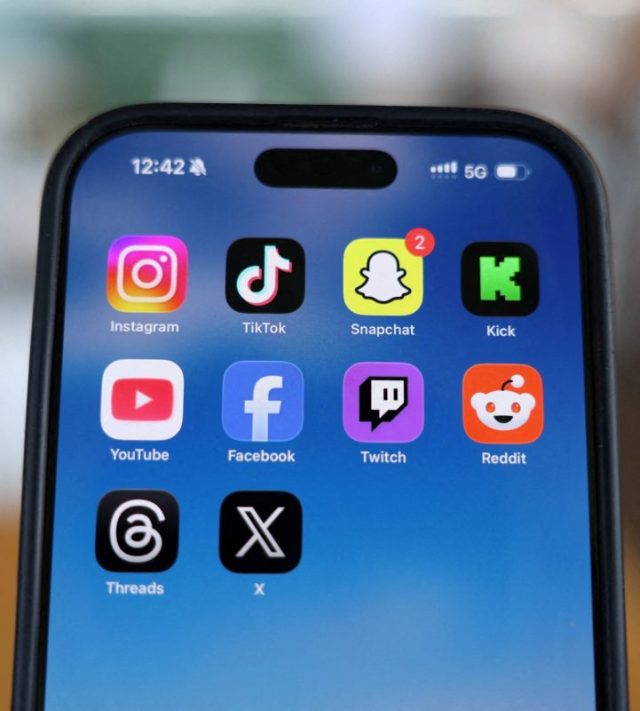
The restrictions would not just affect well-known apps such as TikTok, Instagram, and Snapchat but also YouTube and other video sharing platforms as well as AI chatbots and online games.
What did the EU chief say?
Too many children are being exposed too early to an online world they are not ready to navigate – an environment where bullying can follow you home, where every mistake can be recorded forever.
Ursula von der Leyen
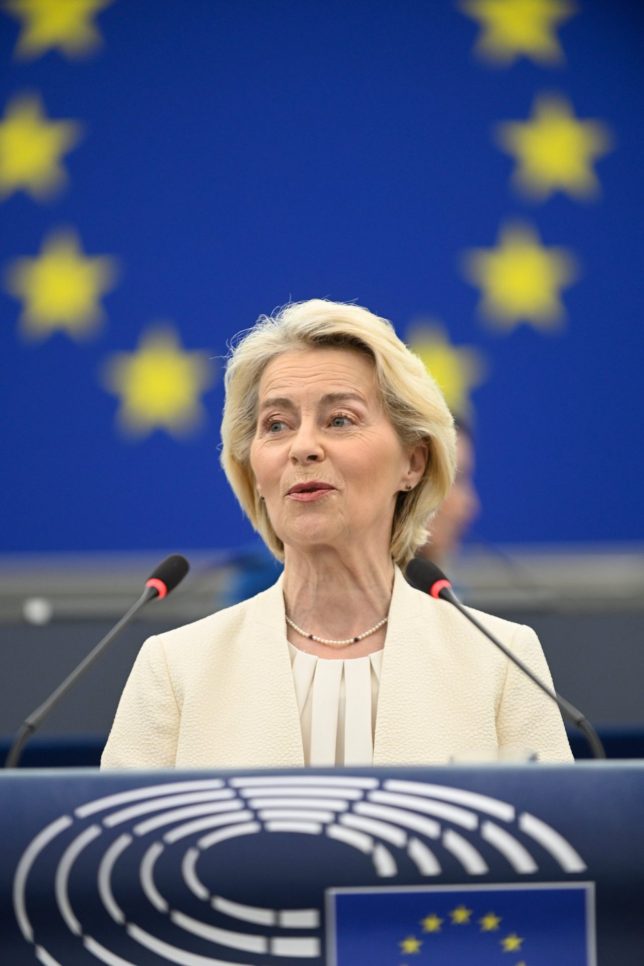 Caption: European Commission President Ursula von der Leyen delivers a speech at the annual State of the European Union at the European Parliament in Strasbourg, eastern France, Wednesday, Sept 16, 2026. (AP Photo/Pascal Bastien)
Photographer: Pascal Bastien
Provider: AP Photo/Pascal Bastien
Source: AP
 Caption: In this photo provided by the Rockhampton Regional Council, rowers paddle on the Fitzroy River at Rockhampton, Australia, on July 24, 2025. (Rockhampton Regional Council via AP)
Provider: Rockhampton Regional Council via
Source: Rockhampton Regional Council
WORLD
The crocodile-ridden river chosen as Olympic rowing venue
A river inhabited by around 500 saltwater crocodiles has been greenlit as the venue for Olympic and Paralympic rowing and canoeing events at the 2032 Brisbane Games.
Seal of approval
The location approved to host the events is on the Fitzroy River in Rockhampton, Queensland.
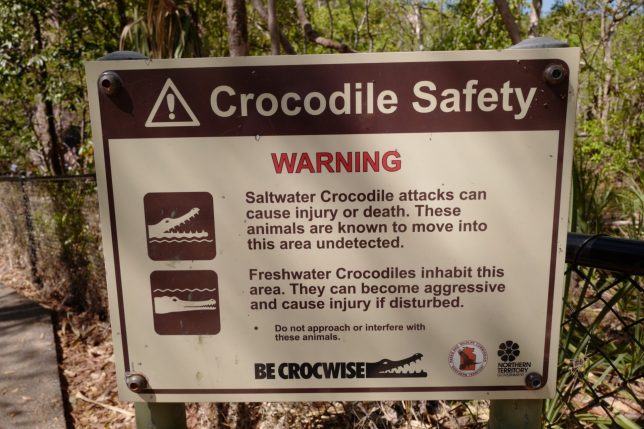 Caption: Wangi Falls in the Litchfield National Park close to the the city of Darwin on June 11, 2026 in Darwin, Northern Territory, Australia. Litchfield National Park, covering approximately 1,500 km??, is near the township of Batchelor, 100 km south-west of Darwin, in the Northern Territory of Australia. Each year the park attracts over 329,000 visitors. Darwin is the capital and largest city of the Northern Territory, Australia. The city had a population of 139,902 at the 2021 census, which is nearly 53% of the territory’s population. It is the smallest, wettest, and most northerly of the Australian capital cities and serves as the Top End’s regional centre
Photographer: James D. Morgan
Provider: Getty Images
Source: Getty Images AsiaPac
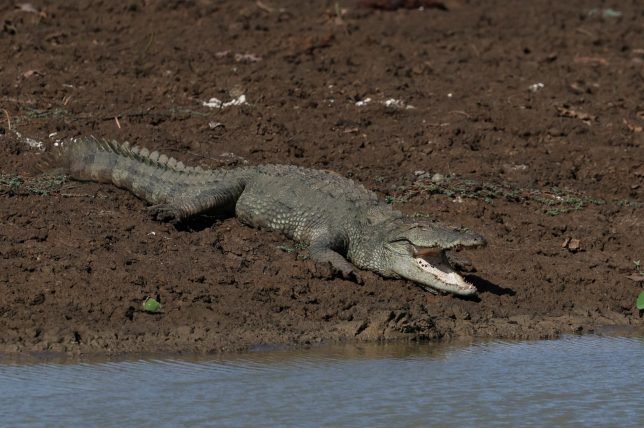 Caption: A crocodile lies next to a partially dried-out pond in Yala National Park, in southern Sri Lanka, August 26, 2026. REUTERS/Priyanshu Singh
Photographer: PRIYANSHU SINGH
Provider: REUTERS
Source: REUTERS
The independent technical assessment of the waters’ suitability did not take into account the crocodiles but examined how the course would perform under various circumstances and weather conditions.
How safe is the river?
Olympic officials have previously been assured of the safety of the location, but British representatives are among those to raise concerns.
The river is already a training and competition venue for flatwater sports, supporting school state championships and national team training camps, the report said.
Contingency plans are in place and the route has been endorsed by World Rowing and Paddle Worldwide.

5 min read
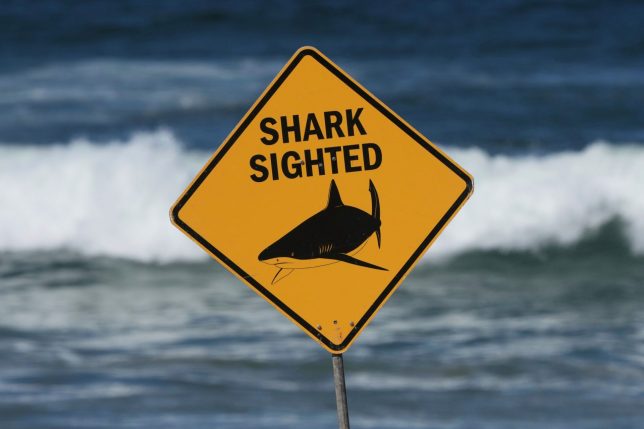 Caption: FILE – A sign is seen at the site of a fatal shark attack at Dee Why Beach in Sydney, Australia, Saturday, Sept. 6, 2025. (AP Photo/Mark Baker, File)
Photographer: Mark Baker
Provider: AP Photo/Mark Baker
Source: AP
Copyright: Copyright 2025 The Associated Press. All rights reserved
Concerns downplayed
There are sharks in the ocean and we’re still surfing… it’s a can do, not a can’t do – please change the mindset here.
Speaking last year, Brisbane 2032 president Andrew Liveris dismissed concerns about crocodiles.
travel news
Nine countries can shelve EES checks for the rest of the year
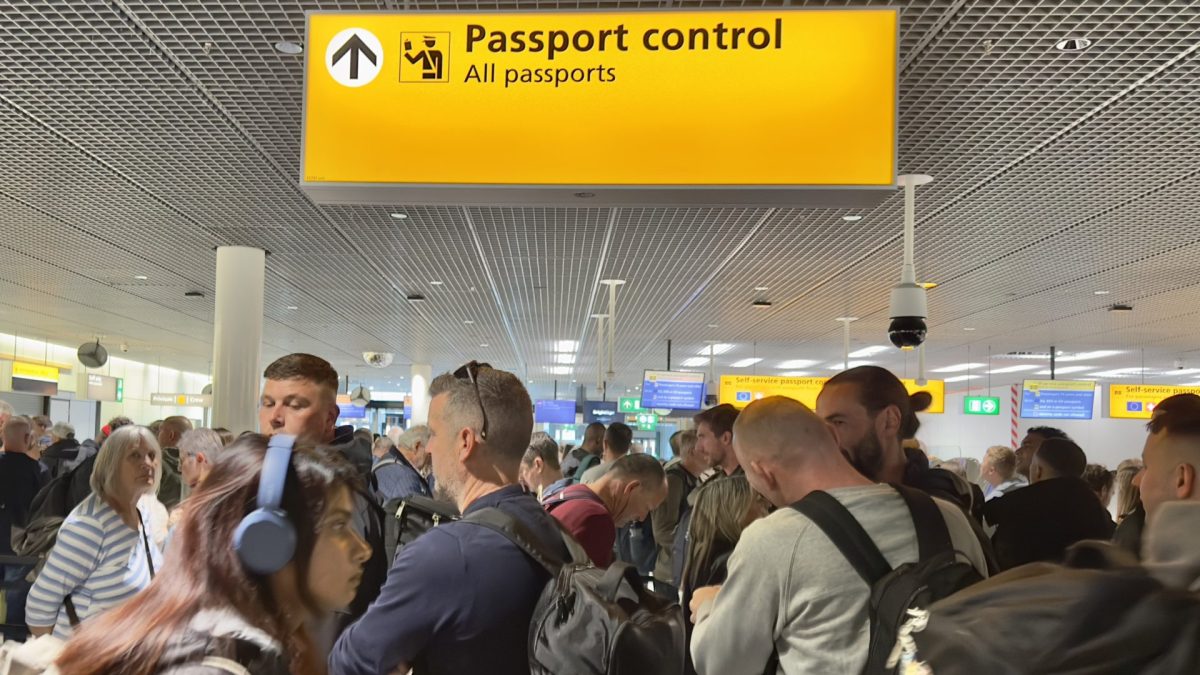
At least nine European countries have been allowed to delay the full roll-out of controversial border biometric checks until the end of the year, The i Paper’s Joe Palmer and Joe Duggan can reveal.
Brussels has given extensions to several member states after a deadline for full implementation of the Entry/Exit System (EES) for non-EU nationals at Schengen area airports passed earlier this month.
Which countries are they?
At least nine European countries have been allowed to waive the full introduction of EES until the technology required for the necessary facial and fingerprint scans is working effectively.
Countries granted the exemption include:
France
Belgium
The Netherlands
Germany
Greece
Malta
Portugal
Italy
Switzerland
What is EES?
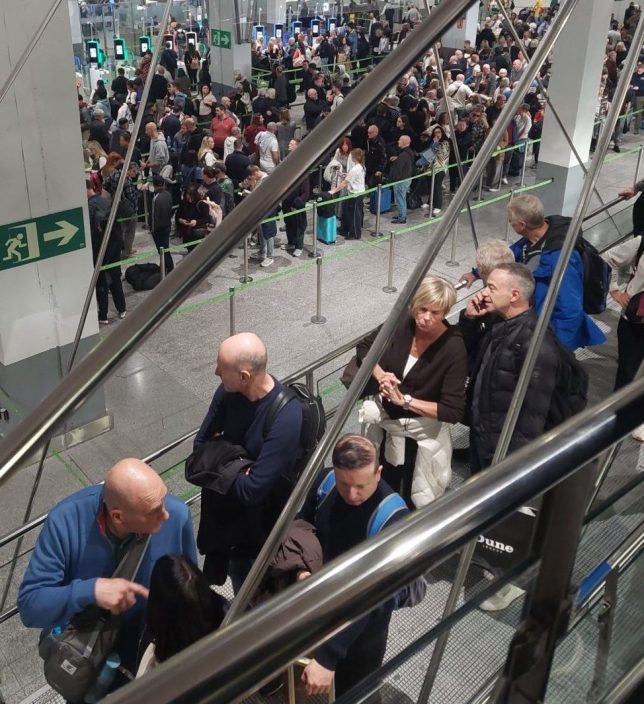
EES, which launched last October, is replacing manual passport stamping, but has led to queues as long as seven hours at border checkpoints. Some passengers have been forced to miss their flights.

3 min read
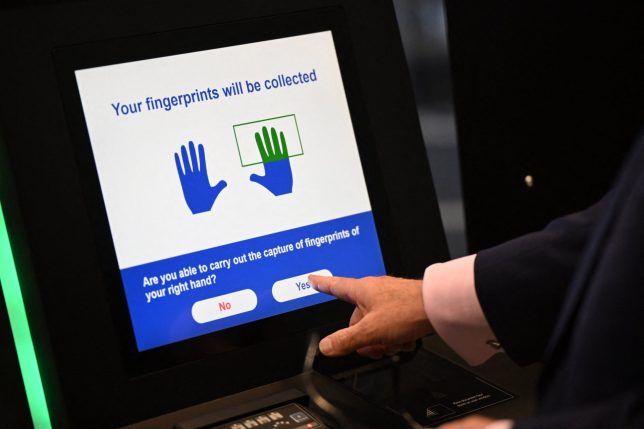 Caption: A person uses the Automated European Union Entry/Exit System (EES) kiosk during a press preview on the rollout of the EU’s new Entry-Exit System (EES) at Eurotunnel, south east England on September 23, 2025. The European Union’s new border-check system for non-EU nationals, the so-called Entry/Exit System (EES), which will do away with passport stamps, is set to finally launch October 12. (Photo by Justin TALLIS / AFP) (Photo by JUSTIN TALLIS/AFP via Getty Images)
Photographer: JUSTIN TALLIS
Provider: AFP via Getty Images
Source: AFP
Copyright: AFP or licensors
READ THE FULL STORY
A closer look at the EES crisis
When asked about the nine countries yet to fully introduce the checks, a spokesperson for the European Commission told The i Paper it was in “close and constructive contact with those few member states where some adjustments are still needed at certain border crossing points”.
HEALTH
What ‘ferritin face’ means – and how worried you should be
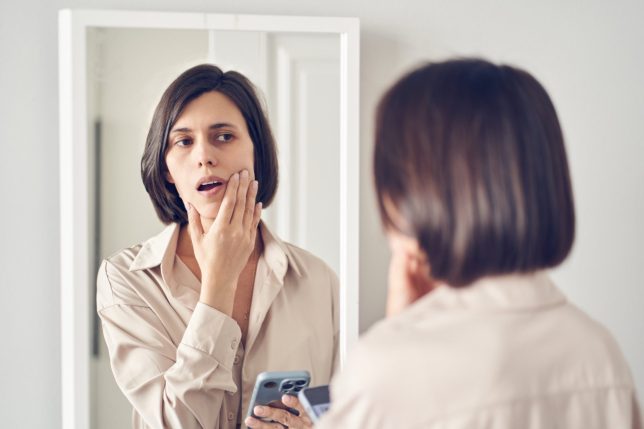 Caption: A young woman looks into a bedroom mirror, touching her cheek and checking her skin for blemishes while holding a smartphone, conveying concern, self-reflection and personal care moments.
Photographer: Darya Komarova
Provider: Getty Images
Source: Moment RF
Copyright: WWW.DARYAKOMAROVA.RU
So-called ferritin face is the latest new health term trending across social media, with influencers posting content that encourages viewers to self-diagnose if they have this particular affliction.
How to spot ‘ferritin face’
Ferritin face is a non-medical term used to describe a collection of features that social media influencers say is the result of low iron, more specifically ferritin.
Ferritin is a blood protein which plays a significant role in the absorption, storage, and release of iron – and is the useful indicator of iron deficiency.
What are the signs of ‘ferritin face’?
A dull complexion
Dark circles under the eyes
Cracked lips
Five common iron deficiency symptoms
1Tiredness and lack of energy
2Shortness of breath
3Heart palpitations
4Paler than usual skin
5Headaches
What should you do if you’re worried about iron deficiency?
If you’re worried about iron deficiency, the NHS recommends you see a GP. They will work to determine a diagnosis, cause and treatment, which can include tablets or even an intravenous iron infusion.
 Caption: Young woman wearing a pink robe examines her face in a bathroom mirror, performing a gentle facial massage as part of her morning skincare routine and self-care ritual.
Photographer: blackCAT
Provider: Getty Images
Source: E+

Analysis
3 min read
Dietary changes that can help
Iron supplements
If your diet is the cause of your deficiency, eating foods rich in iron and taking iron supplements is recommended.
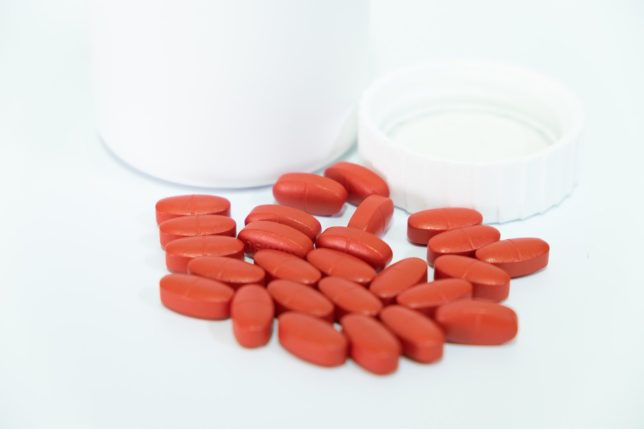 Caption: Red, Yellow,Pink tablets and white medicine bottles placed on a white background, Medical concept
Photographer: panumat polsawat
Provider: Getty Images
Source: iStockphoto
 Photographer: Cavan Images
Provider: Getty Images/Cavan Images RF
Source: Cavan Images RF
What to eat more of
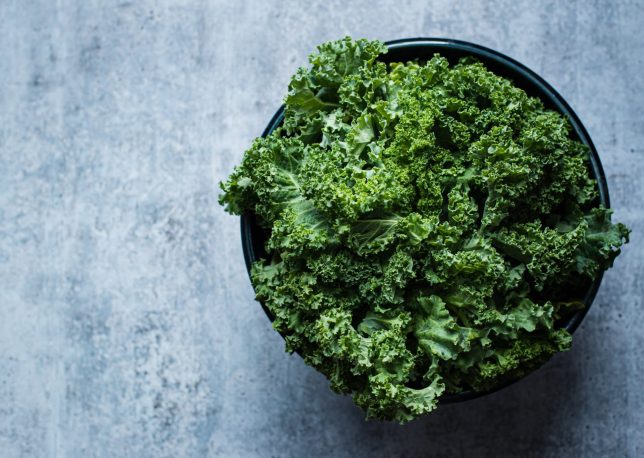
Iron-rich foods include dark green leafy vegetables such as curly kale, meat and pulses.
What to eat less of
Drinking and eating less tea, coffee, milk and dairy, which can stop your body absorbing iron from other foods and tablets is also advised.
 Caption: A block of cheddar cheese cut into slices on a chopping board. On a rustic wooden kitchen table kitchen utensils and herbs in the background.
Photographer: Synergee
Provider: Getty Images
Source: iStockphoto
NEWS
Seven months of relentless rain needed to end drought
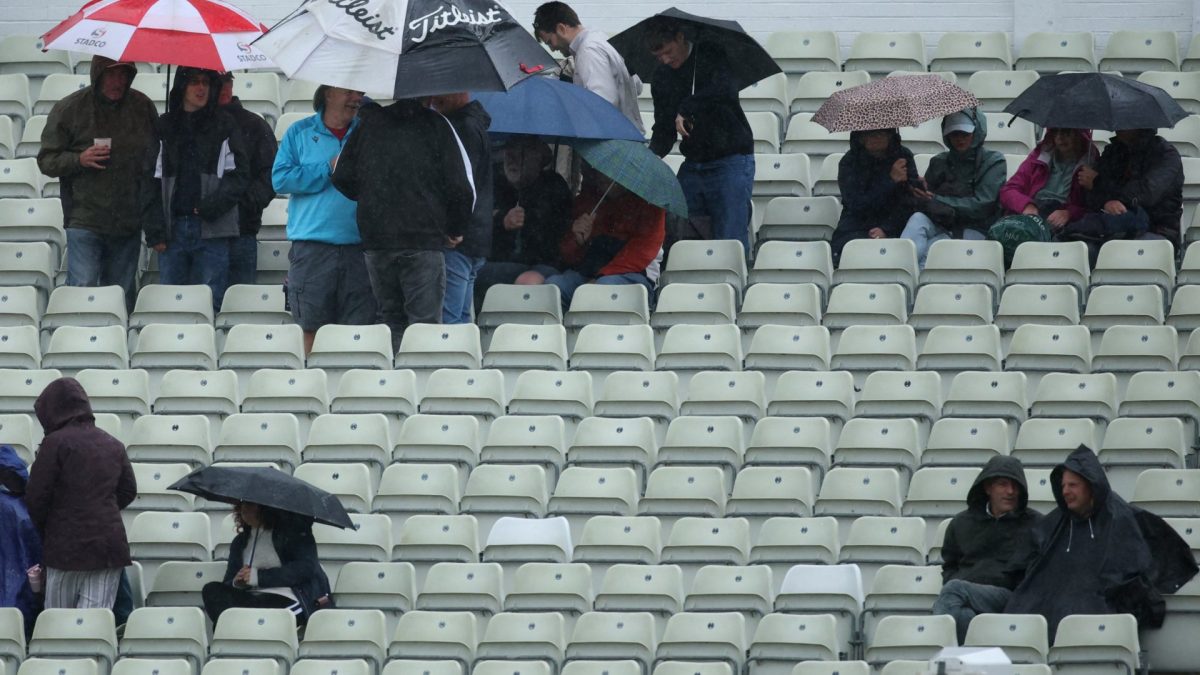 Caption: Cricket – Third Test – England v Pakistan – Edgbaston Cricket Ground, Birmingham, Britain – September 10, 2026 Fans in the stands hold umbrellas as the match is delayed by rain Action Images via Reuters/Andrew Boyers
Photographer: Andrew Boyers
Provider: Action Images via Reuters
Source: REUTERS
The UK will need above average rainfall for seven months for all areas to move out of drought by spring, officials have said.
The Government has urged water companies not to carry on water measures as drought conditions continue after the UK’s record dry, hot summer – even with the recent September rainfall.
What you need to know
This week the National Drought Group of ministers, officials, water firms, farming leaders, anglers and conservation experts met.
Here are three highlights from that meeting:
The panel said there were no changes in drought status for areas across England, with three-quarters of the country remaining in drought.
Water firms were called on to give updates on leakage reduction efforts and preparedness for supplying homes and businesses during autumn and winter.
The recent rain has not been enough to replenish water supplies, the National Drought Group said, with drought only being declared over when rivers, groundwaters and reservoirs return to normal levels.
How much have reservoir levels improved?
15%
The recent wetter conditions have helped rivers recover and only 15 per cent are now classed as below normal levels, officials said.
20%
Reservoir levels are about 20 per cent lower than they should be for the time of year.
How much rain is needed to recover from drought?
Research from the Environment Agency, which was presented at the drought meeting, showed country will need 120 per cent of typical rainfall over the next seven months for all areas to be considered out of drought.
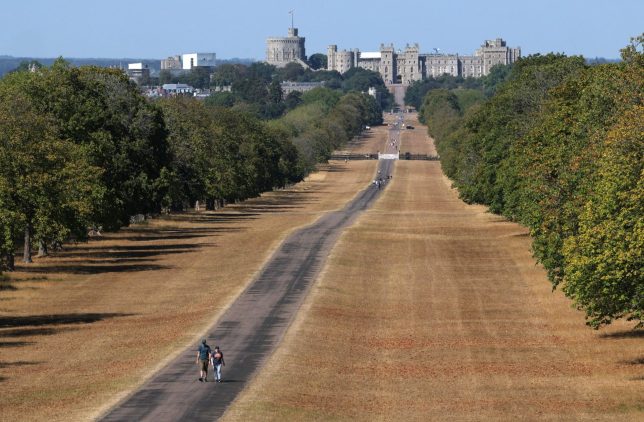 Caption: People walk along parched parkland after Britain’s Environment agency declared over 70% of England to be in drought, in Windsor Great Park near Windsor Castle, Windsor, Britain, August 25, 2026. REUTERS/Toby Melville
Photographer: Toby Melville
Provider: REUTERS
Source: REUTERS

3 min read
What is the latest forecast for September?
The Met Office is forecasting the second half of September will see a return to drier conditions, particularly in the south where the rain is needed the most. The El Niño global weather event and climate change are set to put the UK at higher risk of a wet, stormy autumn.
Explained
2 min read

Exclusive
3 min read
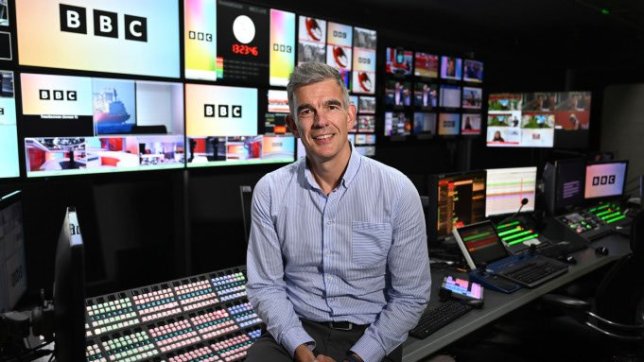 New BBC Director General Matt Brittin said an annual charge could cut the cost of watching TV by 20% (Photo: BBC)
News
Inside the BBC’s plan to cut your licence fee by £36

The BBC has drawn up plans to cut the cost of watching TV by £36 a year if the licence fee is replaced by a German-style household levy.
What has the BBC boss suggested?
20%
Director-General Matt Brittin suggested the £180 annual charge could be cut by 20 per cent under a new funding system.
2.5 million
However, a mandatory levy would mean that the 2.5 million people who have cancelled their licences since 2020 must once again pay to fund the BBC.
How would this model work?
Under this model, most UK adults would pay a monthly fee to support the BBC as a public service broadcaster, whether or not they watch the BBC, use its website or listen to its podcasts.
 Caption: Following the resignations of BBC Director General Tim Davie and CEO of news Deborah Turness – and the subsequent threat of legal action by US President Donald Trump due to the editing of a BBC Panorama film about the insurrection on the US Capitol, is the BBC logo outside Broadcasting House, on 18th November 2025, in London, England. (Photo by Richard Baker / In Pictures via Getty Images)
Photographer: Richard Baker
Provider: In Pictures via Getty Images
Source: In Pictures
Copyright: Richard Baker
 Caption: Generic old person watching TV. TV Licensing customers over 75 will remain covered by a free TV licence until 31 May 2020. PA Photo. Picture date: Wednesday January 15, 2020. Following the BBC?s policy announcement on the future of the over 75s TV Licence fee, TV Licensing is advising customers currently receiving a free licence that they need not take any immediate action and that they will be supported through the changes when the current arrangement for free over 75 licences paid for by the UK Government comes to an end next year. Further to a public consultation, the BBC has announced that from June next year the BBC will fund a free licence for over 75s in receipt of Pension Credit. Photo credit should read: Nick Ansell/PA Wire
Photographer: Nick Ansell
Provider: PA
Source: PA Archive
Copyright: Press Association
Since a declining base of TV licence-payers – down 539,000 to 23.3 million households last year – would be replaced by a new charge covering nearly all UK households, the fee could be reduced across the board, the BBC has suggested.
A closer look at the detail
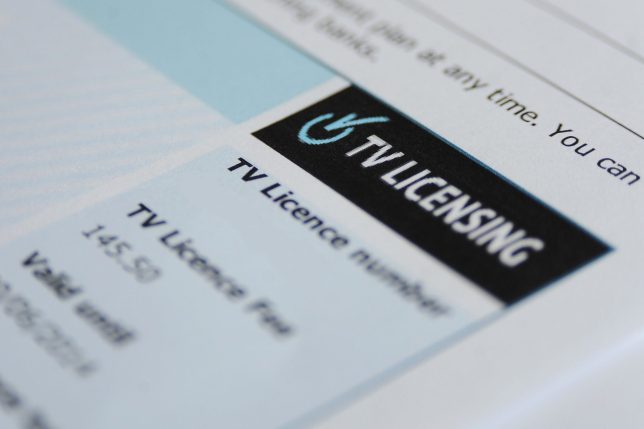 Caption: PLEASE NOTE TV LICENCE NUMBER HAS BEEN REMOVED BY PA PICTURE DESK A TV licence as a review of the penalties for non-payment of it is set to move a step closer today, paving the way for possible decriminalisation.
Photographer: Joe Giddens
Provider: PA
Source: PA Archive
German inspiration
Germany operates a similar system, Rundfunkbeitrag, requiring all over 18s to pay €18.36 monthly.
Opposition to ‘new tax’
Culture Secretary Lisa Nandy previously said: “We ruled out a new tax on households because of the cost of living crisis.”
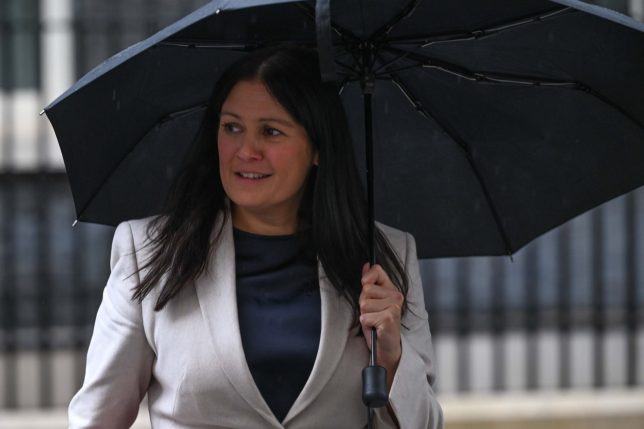 Caption: LONDON, UNITED KINGDOM – SEPTEMBER 08: UK Secretary of State for Digital, Culture, Media and Sport Lisa Nandy leaves 10 Downing Street following the cabinet meeting in London, United Kingdom, on September 08, 2026. (Photo by Rasid Necati Aslim/Anadolu via Getty Images)
Photographer: Anadolu
Provider: Anadolu via Getty Images
Source: Anadolu
 Caption: A person is holding a TV remote with Netflix visible in the background in this photo illustration taken in Brussels, Belgium, on May 5, 2024. (Photo by Jonathan Raa/NurPhoto via Getty Images)
Photographer: NurPhoto
Provider: NurPhoto via Getty Images
Source: NurPhoto
Copyright: Jonathan Raa/NurPhoto
Streaming surcharge
Nandy has also ruled out charging a levy on subscriptions to streaming platforms.
READ THE FULL STORY
What about a new BBC Charter?
 Caption: MORDEN, ENGLAND – JUNE 24: In this photo illustration a TV Licence application form is displayed on June 24, 2025 in Morden, England. (Photo by Peter Dazeley/Getty Images)
Photographer: Peter Dazeley
Provider: Peter Dazeley
Source: Getty Images Europe
Ministers at the Department for Culture, Media and Sport are currently meeting with BBC leaders on a weekly basis to thrash out a new BBC Charter, which will include a reformed funding mechanism.
A public consultation will follow, with any major changes set in train by the end of 2027, when the current Charter expires.
Cooper has no power to order a drug to be made available. But the NHS can ask the National Institute for Health and Care Excellence (Nice), which assesses value for money for new treatments, to consider a particular medicine.
The UK became the first country in Europe to license lecanemab – which is sold under the brand name Leqembi – in 2024 after clinical trials found it showed a “significant” reduction in decline among eligible patients.
A few months later it licensed another drug used to slow the progression of Alzheimer’s, called donanemab.
However, Nice – which evaluates the clinical and cost-effectiveness of new treatments – initially declined to recommend either drug for NHS use, saying the benefits to patients would not outweigh the cost to the health service.
It meant lecanemab and donanemab would be reserved for those who could afford to pay for the treatments privately.
New guidelines for drug costs
But earlier this year, the Government raised by around 25 per cent the limit for what Nice considers good value for money – meaning more expensive medicines and treatments can be approved to improve patient care.
It follows a pharmaceutical trade deal with the US in which Britain agreed to spend more money on drugs in return for medications and treatments entering the US tariff-free for the next three years.
The UK was the first country to secure the deal, which ministers said would improve NHS patients’ access to new medicines by encouraging pharmaceutical companies to launch breakthrough treatments in Britain.
This is the first time Nice, which makes decisions independently from the Government, has implemented changes to its cost-effectiveness threshold in its 25-year history, meaning a host of drugs that were previously denied for NHS use can be re-evaluated.
Asked specifically whether she would look for a workaround for dementia drugs, Cooper told The i Paper: “We’ve got areas where some of the changes that we have made to the Nice guidance are making it possible to get more drugs available on the NHS.
“So we are seeing that happening now, but we’ll look at the dementia [drugs].”
Any decisions would be made independently by Nice, who evaluate drugs at the request of the NHS or Department of Health.
NHS in talks to secure deal for patients
Cooper said the Government would appoint a dementia tsar to “bring together the approach” around preventing, treating and caring for people with the disease.
It is understood that the NHS and the company behind lecanemab, Eisai, are in talks to explore “all reasonable opportunities” to secure a “positive outcome” for NHS patients. Nice said it “paused” its separate evaluation of using lecanemab to treat Alzheimer’s after these “commercial discussions” began.
Eisai is a major Japanese pharmaceutical firm that has won a Government grant to expand its site in Hatfield, Herfordshire, meaning that drugs, including lecanemab, could be manufactured there and supplied across Europe, the Middle East and Africa.
Similar talks are under way with Eli Lilly, which manufactures donanenab.
Michelle Dyson, Alzheimer’s Society’s chief executive, welcomed Cooper’s commitment to dementia patients and described drugs that slow the progression of the disease as a “watershed moment”, saying more options must be made available on the NHS “urgently”.
It was announced on Tuesday that patients in England with a specific type of incurable breast cancer can access a drug called Enhertu, which can give patients an extra seven months to live on average. Nice had initially ruled that the drug was not good value for money but said it reversed its decision largely because of the trade deal.
Support for breastfeeding
Cooper set out her priorities for her new role as Health Secretary in a wide-ranging interview with The i Paper, saying she would like to improve maternity services and heatwave-proof hospitals.
Speaking after a keynote speech at the National Maternity Safety Conference in Birmingham, where she promised to “put the cradle back at the heart of the NHS”, Cooper said she wanted new mothers to be offered “support with breastfeeding” and mental health as part of an expansion of community care for babies and children in their early years.
She set out proposals for an improved “neighbourhood approach to supporting new mums” with more early health checks and support with baby vaccinations, but she noted the plans were still at a “very early stage in development”.
Asked how she would spend any boost to health funding in the Budget next month, she said: “Maternity is a personal priority for me. I do think that is really important. We’re also supporting capital improvements as well.”
Hospitals fit for heatwaves
She said the Department of Health was looking at how to make hospitals fit for heatwaves after the summer of 2026 was officially the UK’s hottest on record.
Cooper promised to “make sure we’ve got resilient plans for extreme heat in the summer”, in the same way the NHS currently plans for the winter cycle each year.
“That is a shift in what the NHS has had to do, partly because of dealing with extreme heat and climate change as well,” she added.
She also backed the Prime Minister’s mission to set up a national care service, arguing that failing to link health and social care causes “growing pressures on the NHS”.
Asked whether the NHS could collapse without urgent social care reforms, Cooper said patients are forced to attend hospitals even if it is not the “best place for them” as the “social care side is not working effectively, and we don’t have the proper links between them”.
She added: “Andy [Burnham] is right; we will see growing pressures on our NHS, and we’ve got growing pressures on our NHS now compared to 15 years ago because we haven’t made reforms since then.”