
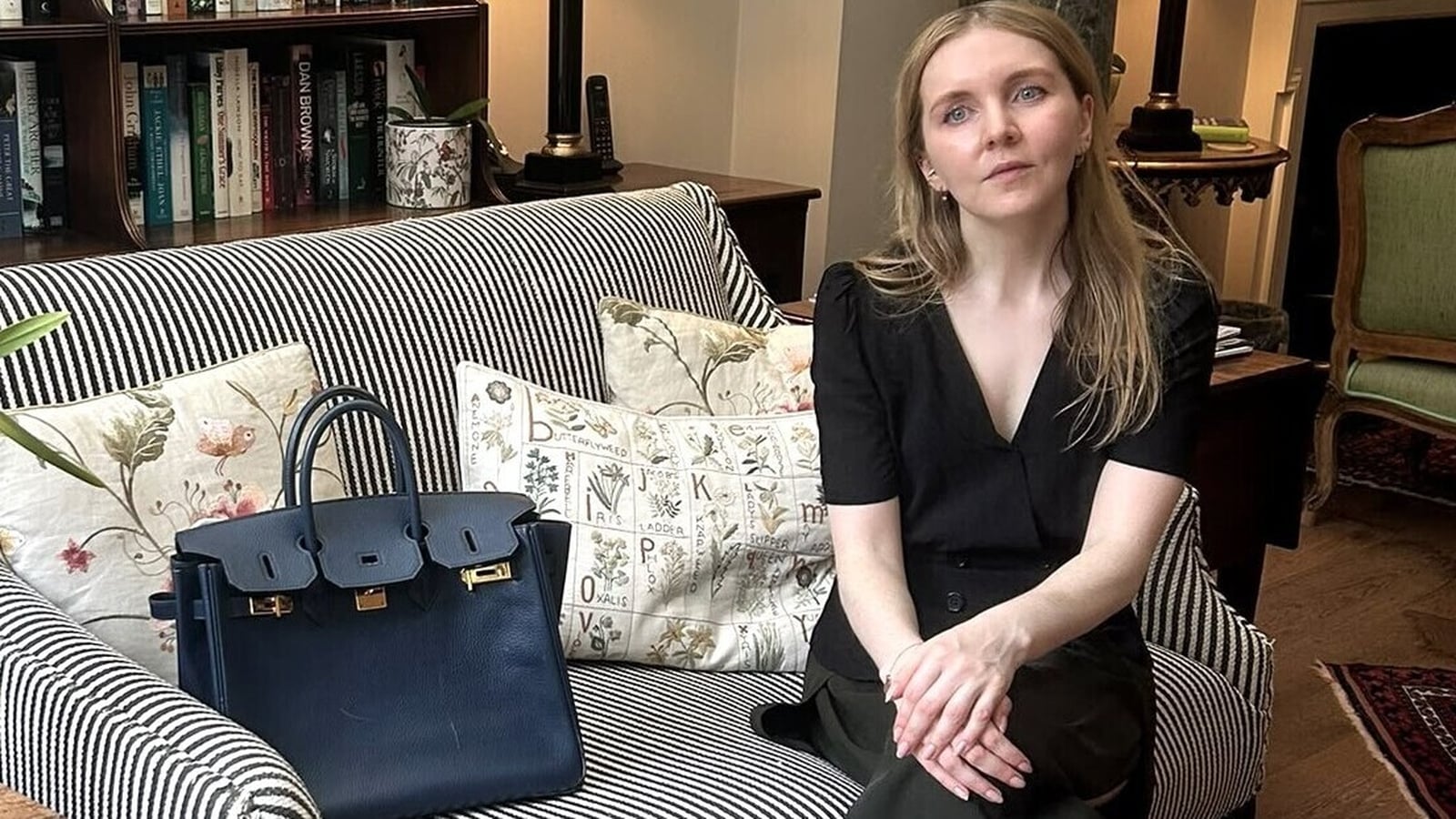
We present an extract from The Most Normal Woman, the new essay collection by Roisin Kiberd.
In her new collection of essays, Roisin Kiberd explores the many ways we change ourselves in pursuit of perfection – or simply normality – and the toll it takes on our inner lives.
Weaving critical commentary with personal experience, she explores Botox, blondeness, exercise addiction, and subcultures including the underground drag scene and competitive dog shows to better understand how beauty is judged and defined.
LIZARD BRAIN
In 2017, on something of a whim, I found myself in Hong Kong, staying at a flat down the street from the Night Market. One evening I set out, past shops with cats in the windows, restaurants selling family-size hot pots and their stranger, smaller cousin, the hot pot for one, past cafes inexplicably dedicated to perfecting the art of making toast, to a tunnel-shaped street lit with neon, hoardings over everything, sunglasses and belts and shoes and wallets and, of course, handbags, sprawled out on displays, with rapid-talking vendors shouting over each other.
I’m the type to find the automated cash registers at Tesco overwhelming; the Night Market in Hong Kong was sensory overload, pulling me in, as though the only way out was to locate the replica handbag I was looking for. I’d seen it mostly on Instagram, on the arm of a paranormally long-legged blonde woman I followed who lived in LA. The Givenchy Antigona is still in production now, a black leather tote with short handles and a weird, angular flap on top that doesn’t actually open. Like a lot of Riccardo Tisci-era Givenchy (his reign began in 2005, and ended in 2017) it has a severe, Catholic look to it that I now associate with mid-career Kanye.
We need your consent to load this rte-player contentWe use rte-player to manage extra content that can set cookies on your device and collect data about your activity. Please review their details and accept them to load the content.Manage Preferences
Listen: Roisín Kiberd talks to Doireann Garrihy on RTÉ 2FM
I walked past rows of bags, some of them dreadful, some of them accurate, some of them decoys for much more accurate bags, hidden upstairs in the buildings behind the stalls. After a while a combination of tiredness and hunger set in –I’d been living on SkyFlakes crackers and canned iced coffee for much of this trip – and I told myself I’d found a good enough vendor. I got talking to an extremely enthusiastic young woman, who led me into a corridor behind the stall and presented me with a catalogue of bags.
I’d already seen the episode of Broad City where Illana and her mother go to Chinatown, and are blindfolded and packed into a van, then descend down a manhole in order to buy replica handbags. I braced myself for a similar adventure. But instead, this woman left me at the entrance and disappeared upstairs, then arrived back with the Antigona in a fabric bag. Ever enthusiastic, she produced a lighter and ran it over the bag, demonstrating that it was leather and not plastic, which would melt. Later I would question this; the bag was made from a smooth black substance, so smooth as to not be leather, but not much like plastic either, almost like an unfamiliar hybrid of the two. But in the moment I simply nodded, and she asked for the equivalent of €100.
I should have bargained. I didn’t have enough cash, so the woman walked with me to a nearby ATM. I wondered if sinister armed heavies would emerge at the cash point and coerce me into handing over more than I’d agreed to. They didn’t. I just paid and she gave me the bag.
The crossbody strap broke a day later, as I moved through Hong Kong International Airport, grabbing free whiskey samples and spraying myself with clashing perfumes. I improvised a fix with a piece of string. The fake Antigona sat in my wardrobe for years, until I realised that I wasn’t using it, and that it was taking up a lot of space, so I gave it away to a charity shop.
We need your consent to load this rte-player contentWe use rte-player to manage extra content that can set cookies on your device and collect data about your activity. Please review their details and accept them to load the content.Manage Preferences
Listen: Roisín Kiberd talks to The Brendan O’Connor Show on RTÉ Radio 1
The Night Market is one of my memories of that trip. Another is crossing over to Shenzhen, China. I remember the 2am karaoke bar, the statue of Mao glimpsed through a shuttered shop window, and sitting on the train, facing a row of women all holding designer bags, or replicas: a Lady Dior, a Chanel Wallet on Chain, a Double Flap or two and maybe some Hermès. I wondered if everyone else on this train knew, or if it was only some of us who had handbag-vision and could identify these brands at a distance.
I didn’t torment myself over the rep Givenchy, but today my feelings are complicated. The news stories about Dior and Armani sweatshops reminded me of others, published years ago, about Apple laptops, the same brand of laptop I’m typing this essay on right now. Their products are manufactured in China, in Shenzhen, in fact, in grim multilevel factories where workers were reportedly so depressed that they had to add a net to the top of the building to prevent them from jumping to their deaths. Once these Shenzhen workers had done their job, the hardware would be shipped to California for a cursory ‘finishing’ process that allowed products to be labelled ‘Made in the USA’. In Dior and Armani’s case, they are trading on the appeal of European fashion by employing Chinese workers in Italy, to toil in sweatshops for unfairly low pay.
This makes me wonder what I actually like about designer bags, both reps and the real thing, and whether the job of fashion brands is to build up such an aura around themselves that it overpowers the truth in front of us: that their products are mass-produced tokens of a culture in which brutality is assured, and none of us ever feels like we are enough.
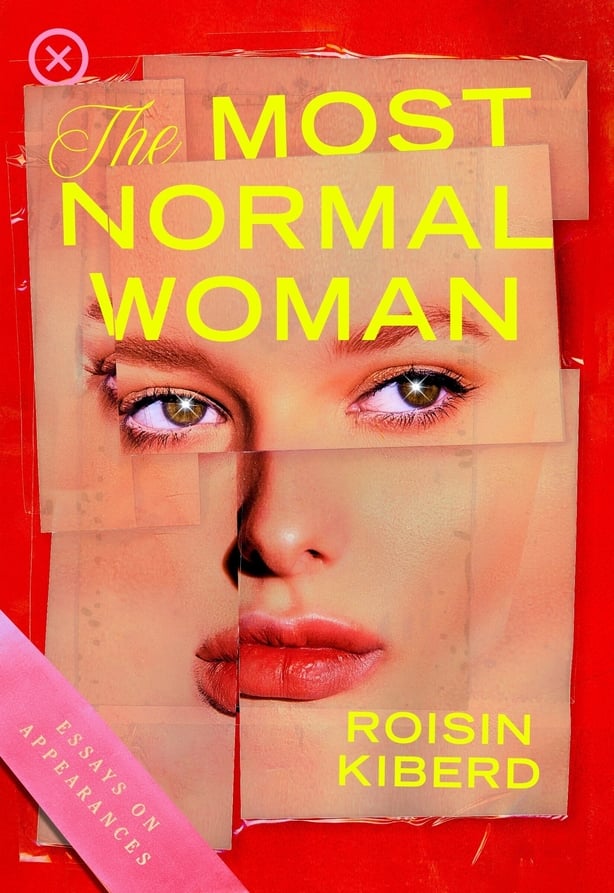
The Most Normal Woman is published by Tramp Press