
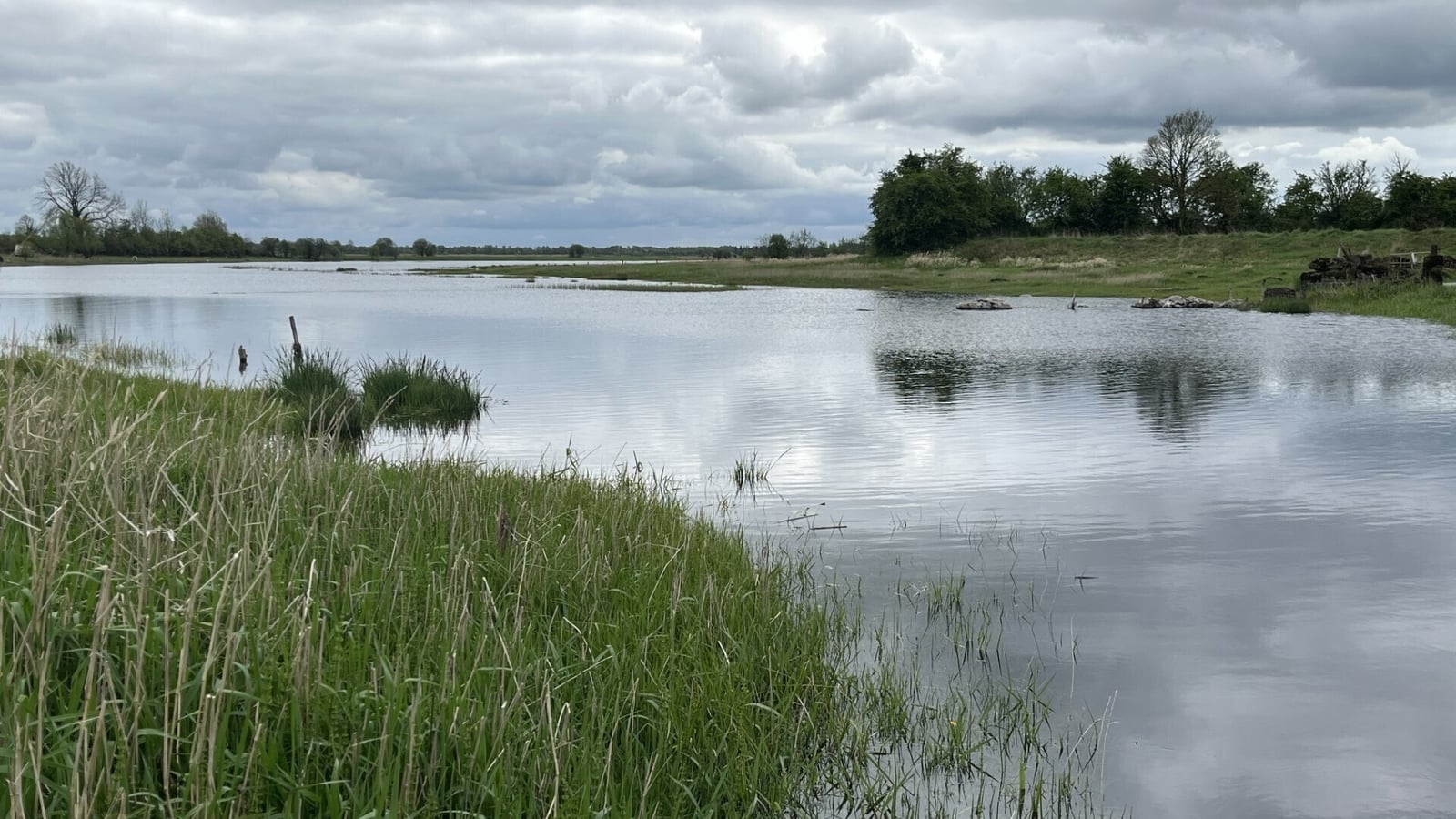
Nitrate pollution levels have risen again in Ireland’s major rivers, according the latest figures from the Environmental Protection Agency.
An ‘Early Insights Indicator Report’ for the first half of this year, found “nitrogen levels increased by 4.3% in the first half of 2026 compared with the same six‑month period in 2025, marking a second consecutive year of increase”.
The EPA says the document provides an “early indication of national trends in river nitrogen levels based on aggregated data from 20 monitoring sites across Ireland’s major river catchments”.
Levels at the sites remain above the 8 milligrames a litre maximum for healthy river systems.
Looking at possible causes the EPA notes that: “Fertiliser nitrogen sales increased by 10.6% in 2024 compared with 20232, followed by a further 12.5% increase in 20253.
“Annual results are not yet available for 2026, however quarterly figures released by DAFM indicate a 7.3% increase in fertiliser nitrogen sales in the six months running up to the end of March this year, compared with the same period in 2024/2025.”
It says that although fertiliser sales do not directly reflect the amount of fertiliser applied, or nitrogen losses to the enviroment, “they remain an indicator of nitrogen loading and a factor in increased nitrogen levels in waters”.
Other factors influencing the level of nitrogen pollution include soil type, farm practices, and weather.
The report says the first half of 2026 was wetter than normal, with five of the six months recording above average rainfall.
“Coupled with increases in nitrogen source loading between 2024 and 2026, higher rainfall in the latter half of 2025, continuing into 2026, may have increased nitrogen transport to watercourses,” the EPA said.