
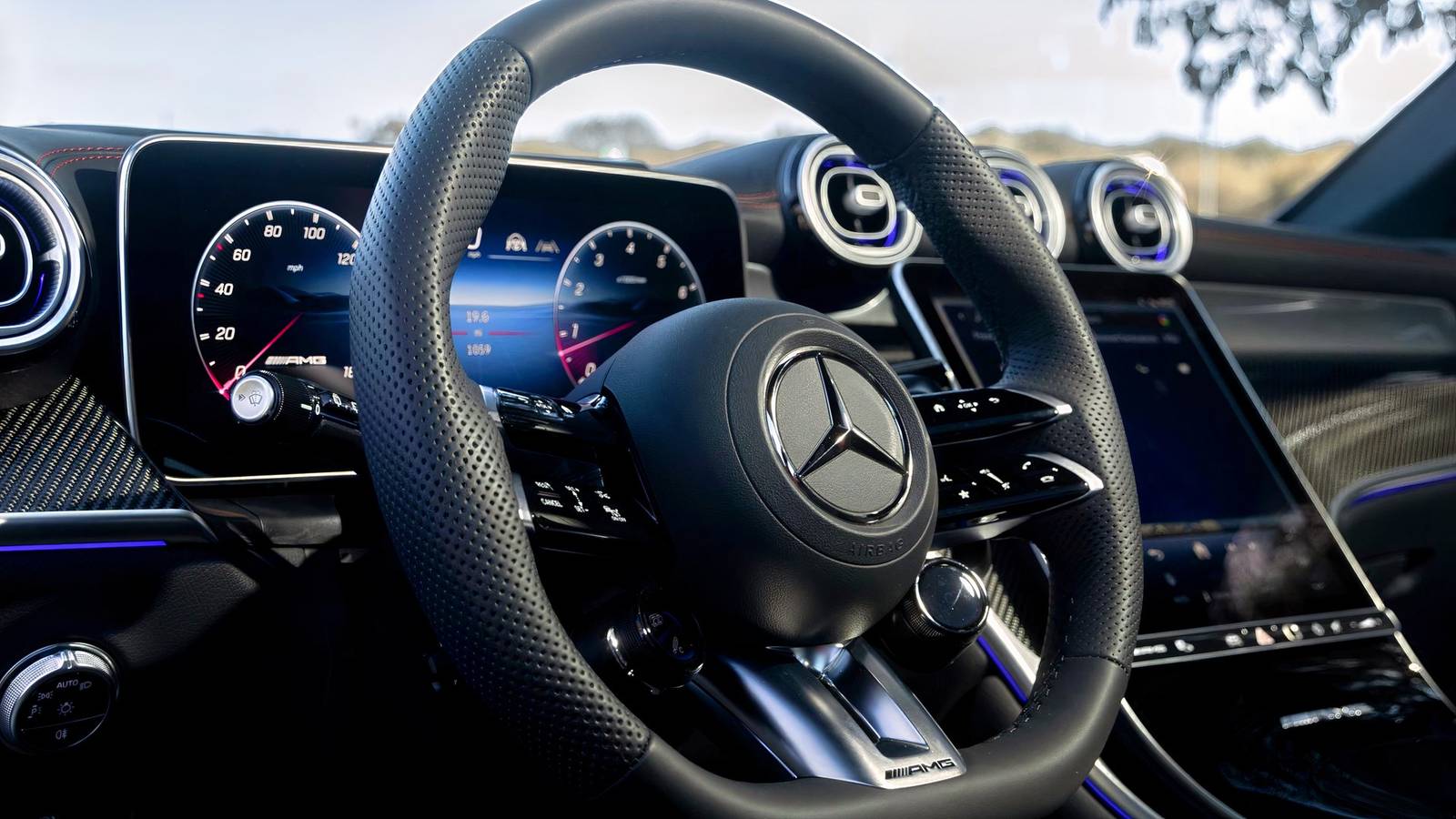
In the race for efficiency, manufacturers are proving you don’t need a heavy V8 to deliver heavy-hitting performance. Mercedes-AMG is taking the next logical step, replacing the outgoing AMG GLC 43’s four-cylinder with a potent 3.0-liter turbocharged inline-six in the new GLC 53. Packed with massive, short-burst torque, this six-cylinder powerhouse proves that classic V8 muscle can easily come in a smarter, sleeker package.
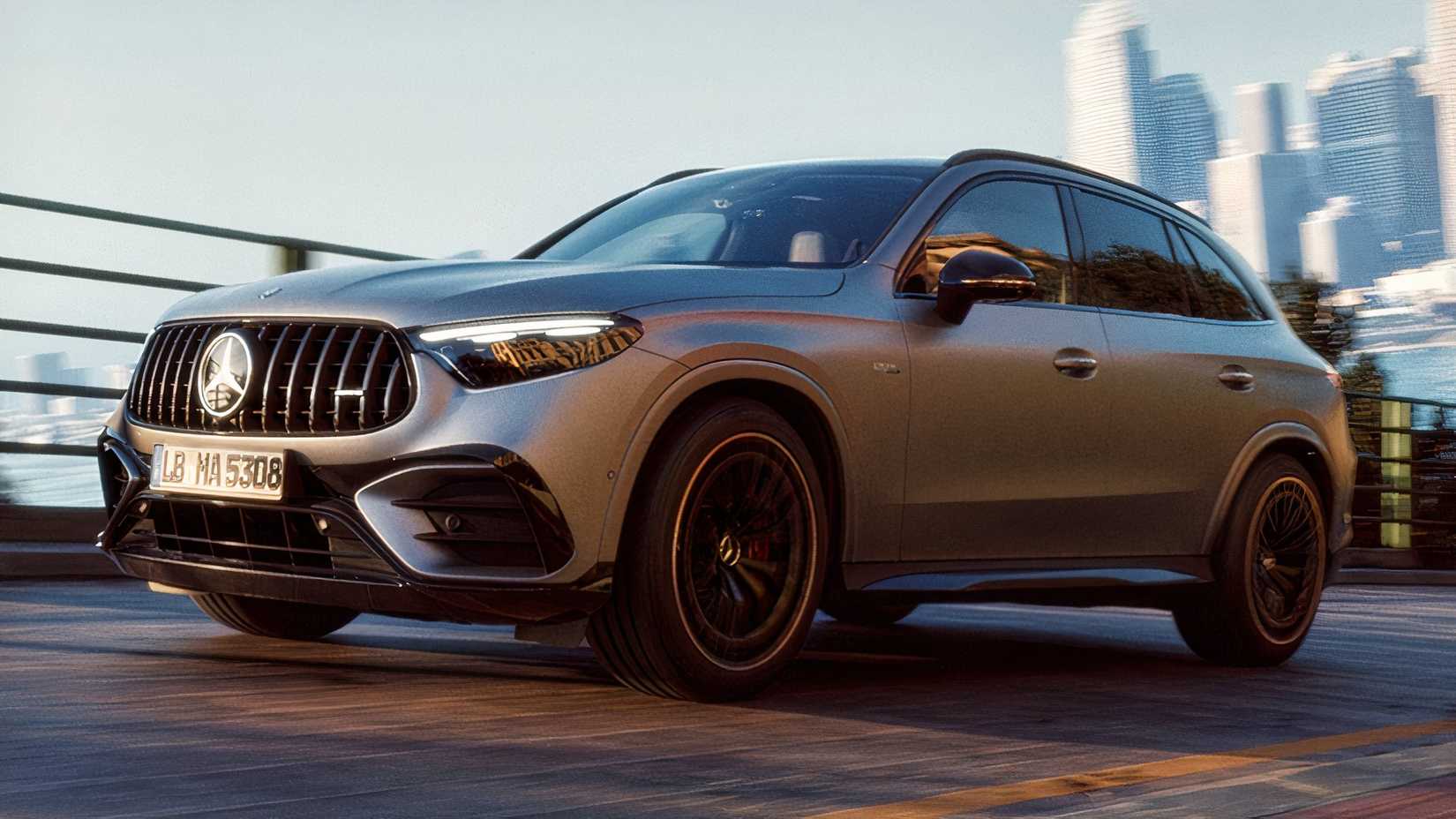
2027 Mercedes-AMG GLC 53Mercedes-AMG
For 2027, Mercedes-AMG is reversing course on cylinder count, as the inline-four in the GLC 43 and the plug-in hybrid approach of the GLC 63 S E Performance are both making way for a single model. The GLC 53 will now have a 3.0-liter turbo inline-six producing 443 horsepower and 443 lb-ft on its own, and it’s interesting to compare that with the famous 4.0-liter twin-turbo V8 from the previous generation, aboard the AMG GLC 63, which could make 469 hp and 479 lb-ft in base form.
And it’s especially interesting to compare the two engine technologies due to the latest development. This new trick takes the form of a temporary torque increase, which some compare to a “push-to-pass” type of benefit as seen in a racing environment. It involves some combustion engine overboost, an electrically powered auxiliary compressor to sharpen the turbo’s response, and a 48-volt integrated starter generator (ISG) that’s capable of providing another layer of assistance.
That temporary torque figure makes a straightforward comparison between this inline-six and the old V8 difficult to ignore. The inline six trails the old V8 by only 26 hp anyway, but when it comes to its overboosted torque figure of 472 lb-ft, the difference is only 7 lb-ft. The six can hold that figure for only 10 seconds and only at 5,200 rpm, while the V8 can deliver its 479 lb-ft continuously from 1,750 rpm to 4,500 rpm. Even so, this shows thatAMG hasn’t had to surrender much in the way of peak combustion engine performance by removing two cylinders and a full liter of displacement.
AMG Has Three Different Ways Of Filling The Torque Curve
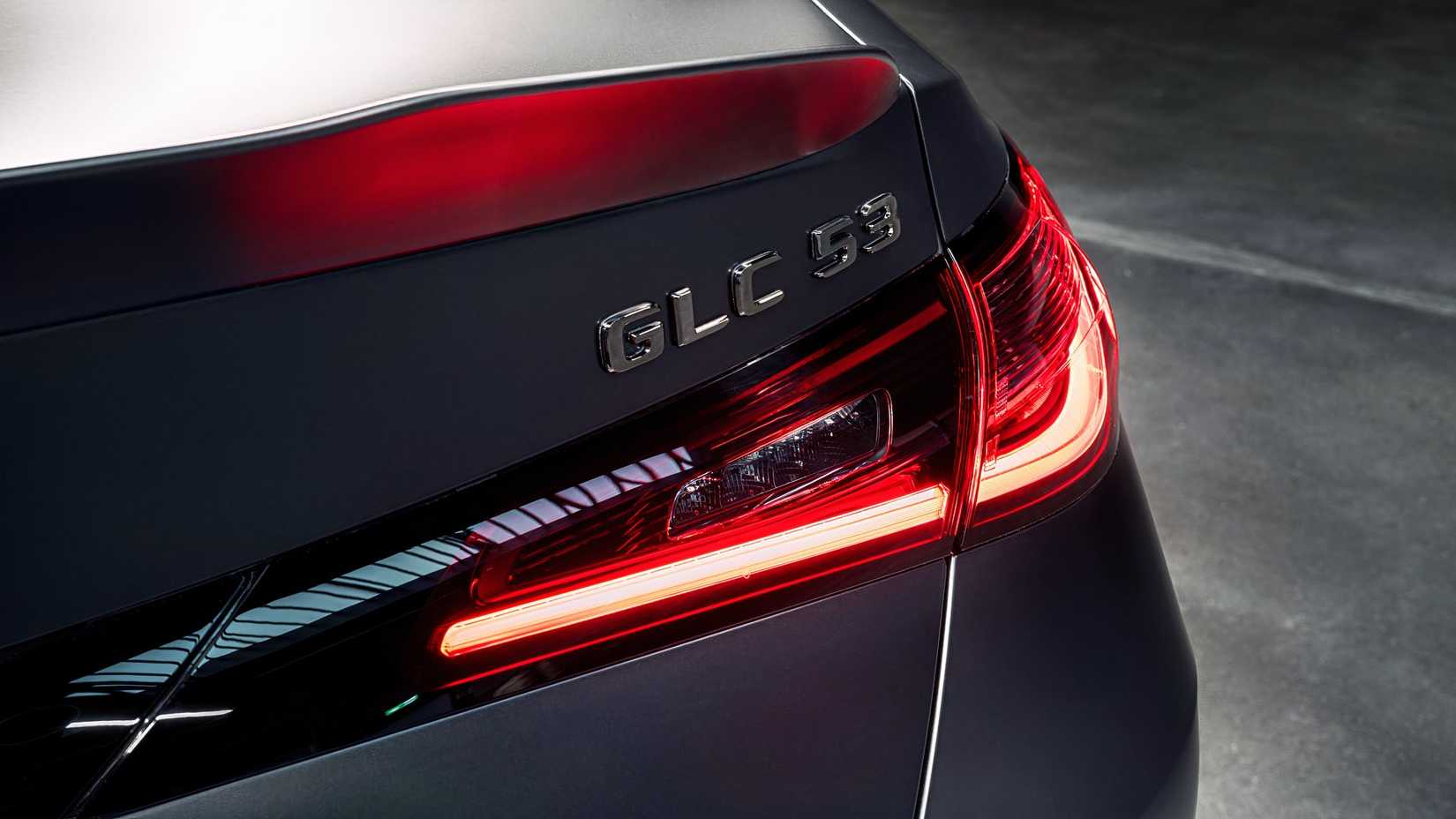
2027 Mercedes-AMG GLC 53 CoupeMercedes-AMG
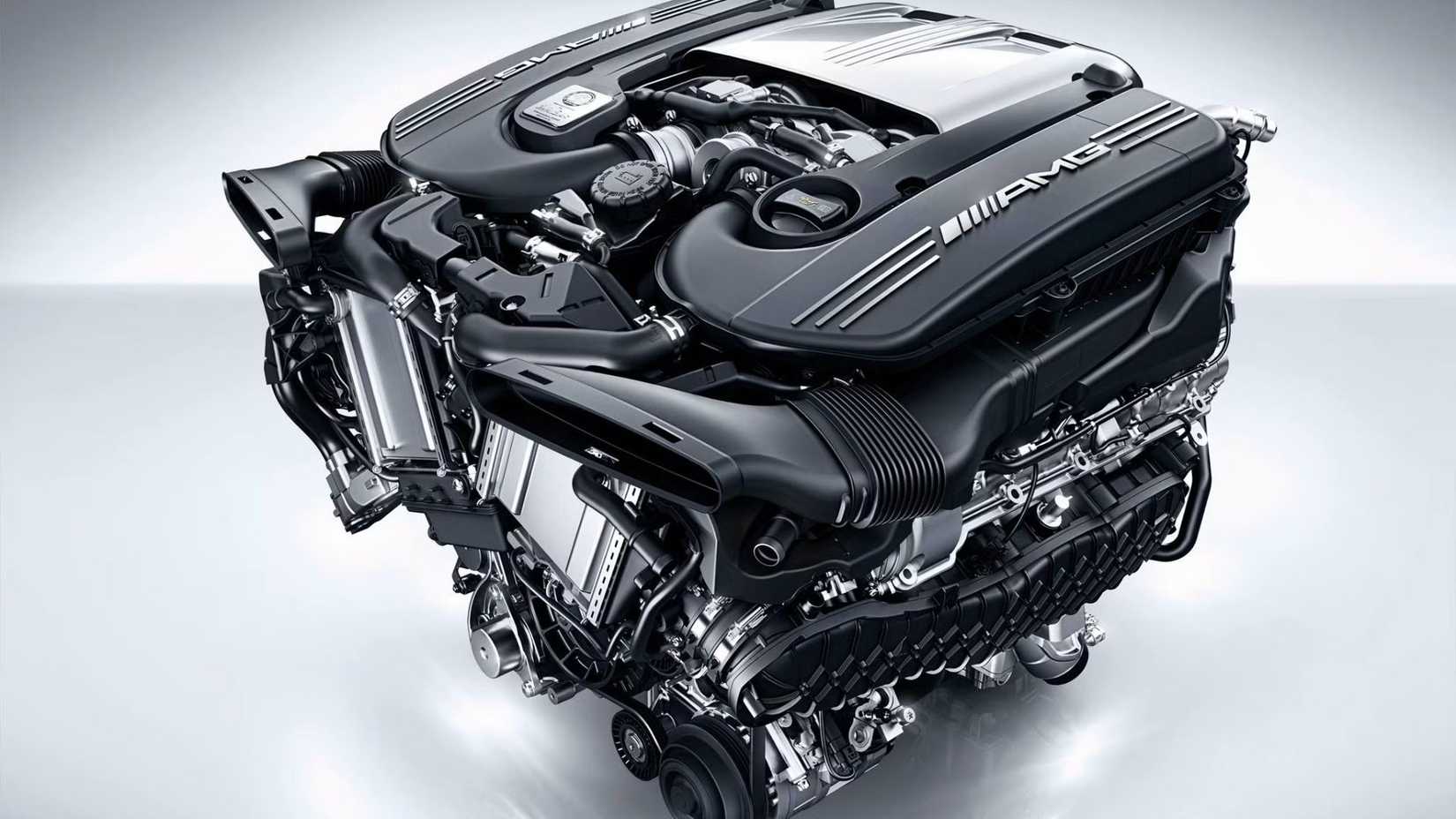
To achieve its performance goals, Mercedes engineers have had to make extensive breathing and combustion system changes to the inline-six. These include a revised cylinder head, optimized intake and exhaust passages, a new intake camshaft, a larger-volume intake system, and a new intercooler.
In the electrical department, Mercedes has added an electric auxiliary compressor to boost response, so the engine doesn’t need to depend solely on exhaust gas energy. In the latest GLC 53, this compressor can work almost continuously for longer periods and generate up to 7.5 kW of electric boost, compared to 5.0 kW previously.
The auxiliary compressor is also separate from the ISG, which itself forms part of the GLC’s 48-volt mild hybrid system, temporarily contributing up to 23 hp and 151 lb-ft, while recovering energy and handling smoother engine restarts.
The third trick up Mercedes-AMG’s sleeve is the engine’s own overboost. Mercedes doesn’t detail a precise control strategy, but it does allow the combustion engine to pass its normal maximum torque without any electrical contribution to the crankshaft.
BMW And Ram Prove This Isn’t Just A Mercedes Experiment
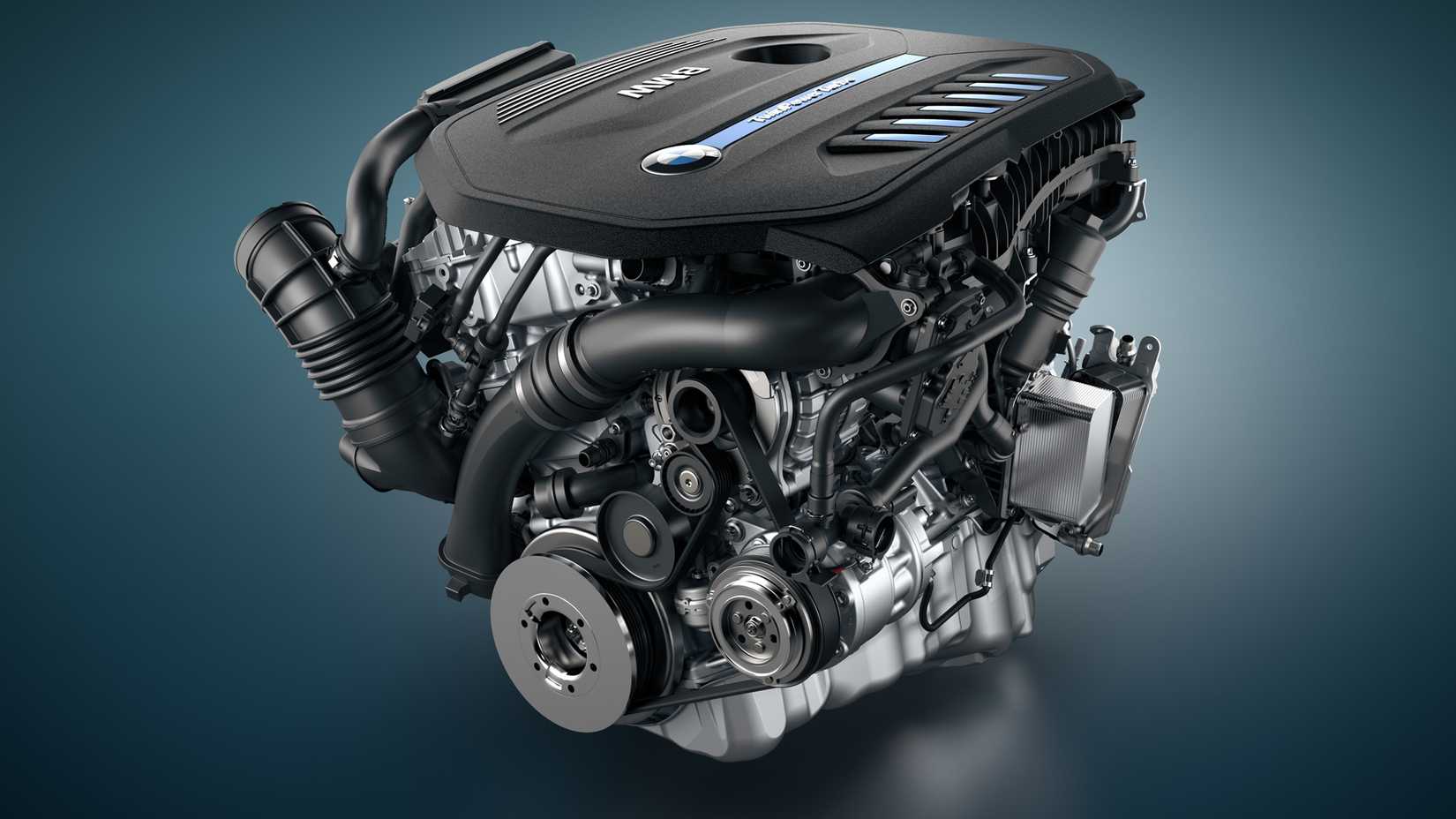
BMW B58 Twin-Turbocharged 3.0-liter Inline-6 EngineBMW
Other manufacturers are also discovering how effective a modern inline-six engine can be. For example, BMW has been working hard to develop its B58 engine, with the B58B30M2 fitted to the M340i being a 3.0-liter turbo inline-six with 48-volt mild hybrid assistance. It has a starter generator that contributes 11 hp, helping to produce a maximum system output of 386 hp and 398 lb-ft. This allows the M340i xDrive to reach 60 mph in 4.1 seconds.
Stellantis has also been busy with its Hurricane. The standard-output 3.0-liter twin-turbo Hurricane fitted to the Ram 1500 can produce 420 hp and 469 lb-ft, with a high-output version even getting to 540 hp and 521 lb-ft. And those figures put these engines into space that was once the domain of large V8s.
Certainly, these three companies have taken their own approaches with different technical solutions. BMW has its own 48-volt strategy, while Stellantis relies on twin turbochargers, and Mercedes champions its electric auxiliary compressor and integrated starter generator. But what they all share is the basic architecture. All three manufacturers have found that an inline six gives them excellent inherent mechanical balance, which is particularly useful where the goal is to produce as much refinement as possible alongside some strong output.
The single cylinder bank of this architecture also avoids some of the duplicated hardware that comes with a V8 engine. While this makes the inline-six well suited to platforms already configured for longitudinal engines, the biggest trick still comes down to forced induction. A relatively small-displacement 3.0-liter inline six can now bring power that once needed a great deal more displacement. Electrical hardware can keep turbocharger behavior in check, so the engine works as expected before the exhaust-driven turbo plays its part.
The Important Part Of 48 Volts Isn’t 23 hp

Mercedes-AMG M256M straight-six architectureMercedes-AMG
Historically, one of the biggest problems with smaller-displacement engines was that they typically require boost to try to replicate the immediate response of larger-displacement units. After all, the big engine already has the displacement needed to move substantial quantities of air to help deliver its best party tricks.
Electrification, however, gives Mercedes some additional ways of countering any inline-six disadvantage. An auxiliary compressor can deliver enough boost response so that the engine doesn’t need to rely exclusively on exhaust energy. A conventional turbocharger can concentrate on providing the airflow needed at higher engine loads and speeds. And an ISG can add brief electrical assistance. Overboost can also increase the torque ceiling for brief periods once the gas engine itself reaches the appropriate operating condition.
In isolation, 23 hp from a starter generator doesn’t sound very much when compared to a 443-hp gas engine, and a compressor’s 7.5 kW contribution may seem negligible as well. An engine’s temporary overboost may amount to only 29 lb-ft as well, but when all three parts of that equation come into the picture, the magic happens.
It’s also worth noting that drivers may only need the strongest engine response in relatively short windows. So, for these drivers and for 10 seconds at a time, the new 3.0-liter inline-six from Mercedes gets to within 7 lb-ft of the old GLC 63 V8’s maximum torque. That may make another liter of displacement and another pair of cylinders look dispensable.
Even AMG’s V8 Now Uses The Same Torque Shaping Idea
Mercedes-AMG M177 4.0-Liter V8 Engine (1)Mercedes
While these developments may make the idea of a V8 somewhat less attractive, that doesn’t mean Mercedes has given up on that technology at all. In fact, AMG has comprehensively reworked its M177 V8 for yet another generation. The new M177 EVO, aboard the latest GLE 63 S and GLS 63, features a 4.0-liter twin-turbo V8 layout that introduces a flat-plane crankshaft. It also has revised intake and exhaust ports, a modified intake camshaft, and changes to its turbocharging and injection hardware.
In US form, this M177 EVO can produce 603 hp and 627 lb-ft in the GLE 63 S. More revealingly, the new V8 also features the same second-generation ISG principle as discussed earlier. This contributes another 23 hp and 151 lb-ft of torque to help with power delivery and additional torque at lower engine speeds. AMG clearly considers this type of extra energy useful, even if the combustion engine in question has eight cylinders.
In certain situations, the V8 may still work particularly well. After all, it still has qualities that an inline-six cannot duplicate, even if the latter has broadly similar output numbers. The V8 still has its sound, firing character, brand identity, and a sense of occasion that has served Mercedes-AMG particularly well in times gone by.
Still, it’s increasingly hard to justify the existence of a V8 in every part of the marketplace, and the V8 now has a direct competitor in the form of a properly configured straight-six. The latest M177 EVO may still justify V8 technology further up the range, where its 603 hp and distinctive character in eight-cylinder form earn their place. For many applications below that level, however, six cylinders now appear to do the job rather well and no longer read as a compromise solution.
Sources: Mercedes-AMG, BMW, Stellantis.