

Listen to this article
Estimated 4 minutes
The audio version of this article is generated by AI-based technology. Mispronunciations can occur. We are working with our partners to continually review and improve the results.
In this digital era, sometimes analogue can feel like new technology.
Artists across the country have gathered in Dawson City, Yukon, every fall to learn this ‘new’ technology.
This year marks the Dawson Film Lab’s fifth anniversary. The two-week-long residency workshop invites local and non-local filmmakers and artists to experiment and work on analogue film to enhance their craft.
The participants specifically work with Super 8 film, 16-mm film, or 35-mm film, and even camera-less filmmaking.
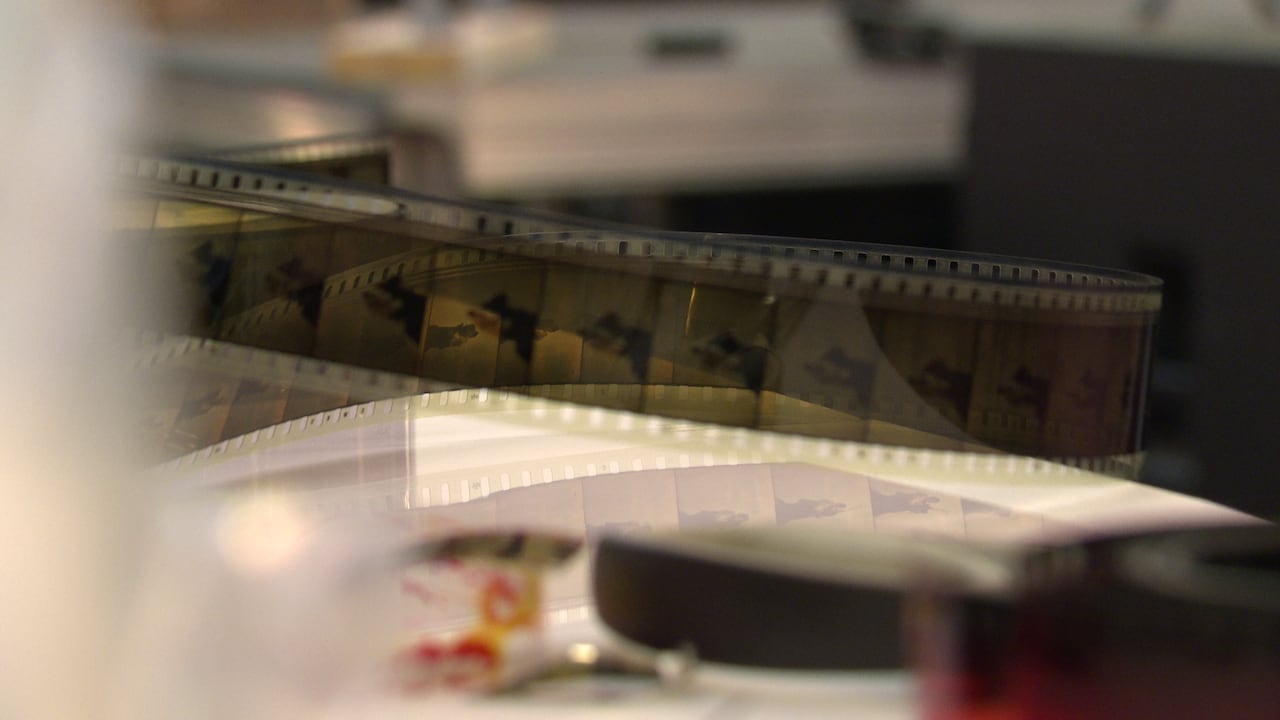 A 35-mm film used at the Dawson Film Lab. (Chris MacIntyre/CBC)
The Dawson Film Lab’s coordinator Dan Sokolowski says quite a lot of participants have never worked with this analogue medium.
“This gives them a very hands-on, tactile opportunity. So you get to touch the actual art, whereas with digital art, you’re basically touching your keyboard or a button,” Sokolowski said.
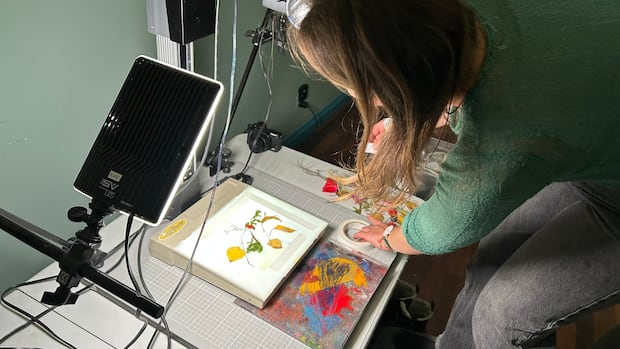
The program also focuses on sustainability, as traditional film processing often requires harsh chemicals. Participants learned phytogram as well, a camera-less technique that uses plants’ natural chemicals to create images.
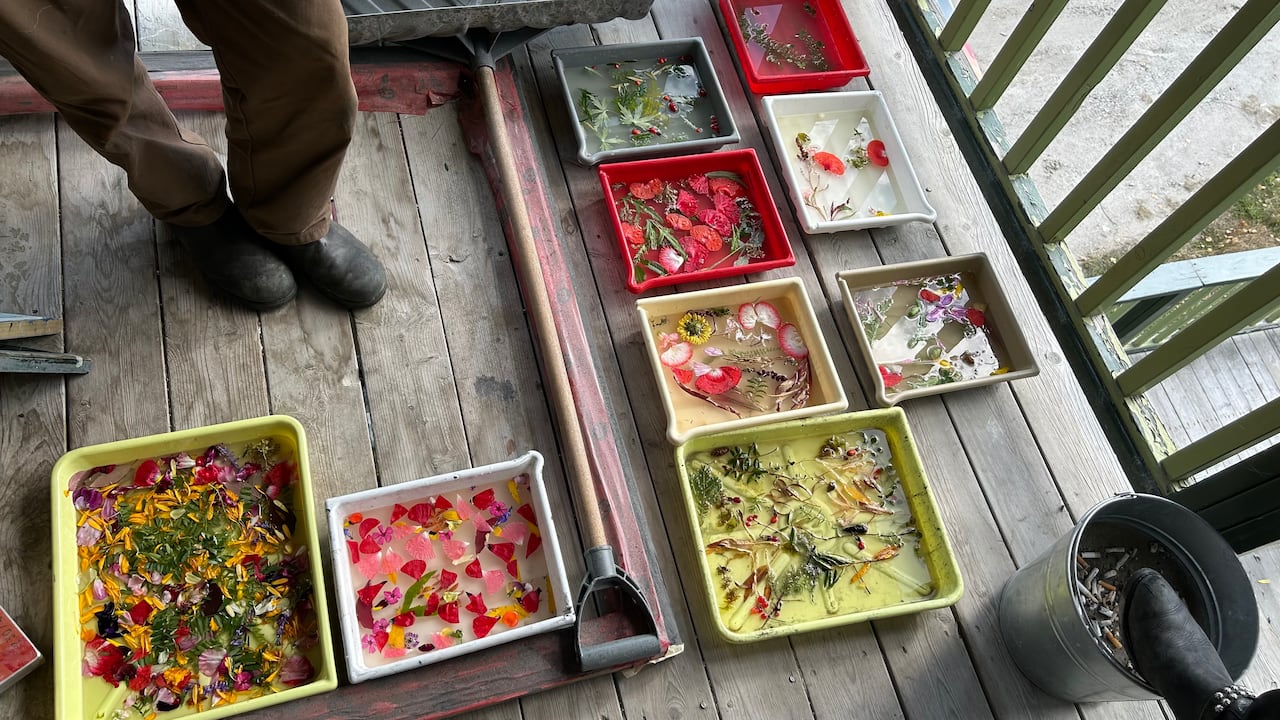 A phytogram workshop during 2026 Dawson Film Lab. The program also focuses on eco-safe methods which use local plants, wildflowers, or caffeine for the film developing process. (Submitted by Klondike Institute of Art and Culture (KIAC))
That’s what Luke Pardy enjoyed the most so far. He is a visiting artist from Chilliwack, B.C.
“I think that’s a really valuable skill for any artist working in the analog film medium to know, as these days we do need to be more conscious of our impact as artists on the environment,” Pardy said.
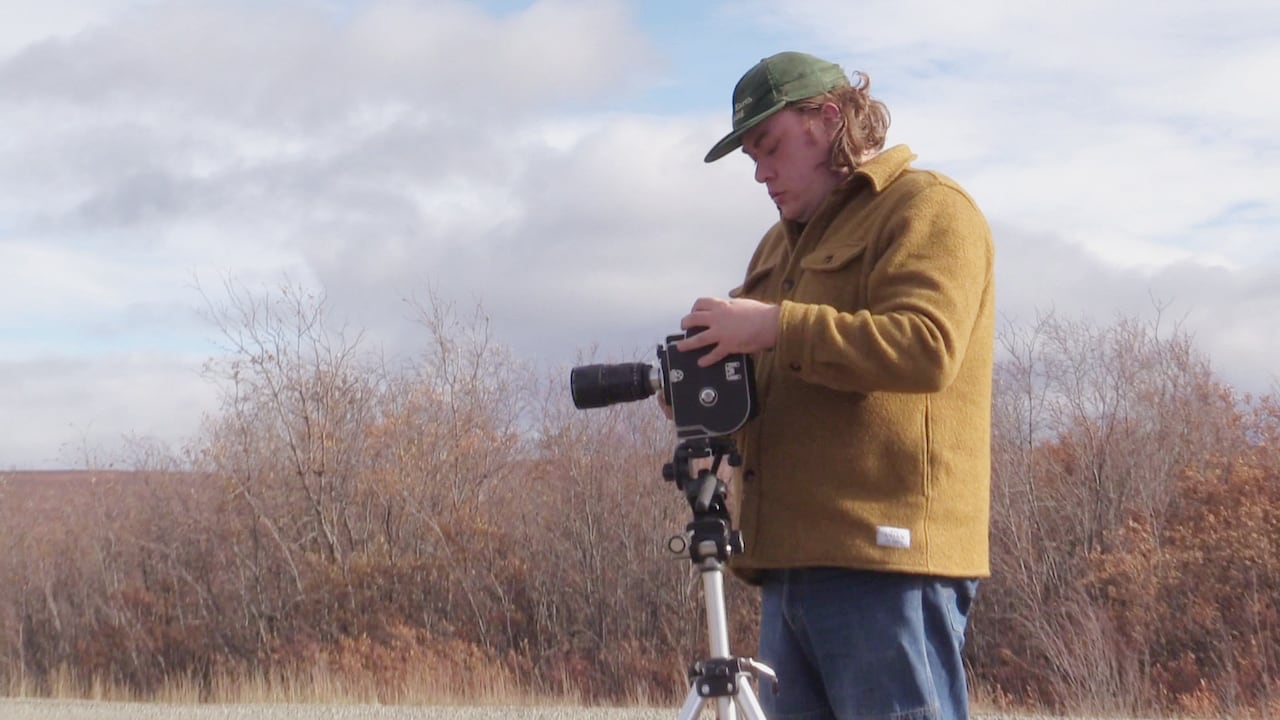 Luke Pardy is an interdisciplinary artist from Chilliwack, B.C. He said he has done a lot of analogue photography, but it is his first time to work on 16-mm film. (Submitted by Klondike Institute of Art and Culture (KIAC))
Dawson local Angela Edmunds is participating in the film lab for the second time.
Edmunds went to film school and worked in the industry for about 10 years before becoming a teacher.
She says the program lets her reconnect with her old passion.
“I’m pretty happy to get my hands dirty again with film … I love my day job, but I wish I didn’t have my day job so that I could spend more time during the day playing with them,” said Edmunds. “But it’s good to have this time now to be able to experiment on the weekends and evenings.”
The lab expanded from a one-week to two-week program in 2024 to give flexibility to people with daytime jobs.
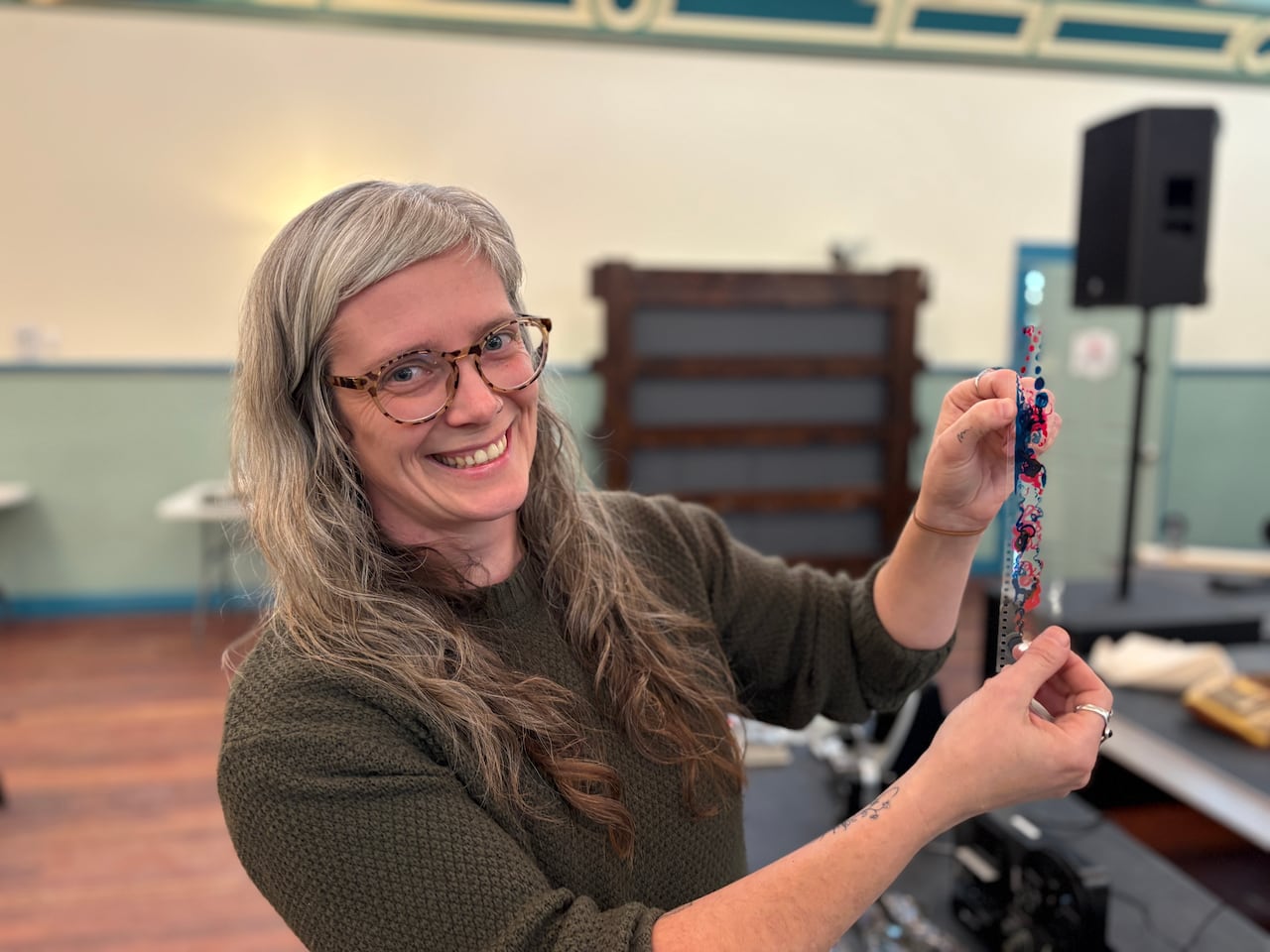 Angela Edmunds is a teacher and artist based in Dawson City. She participated in the Dawson Film Lab in 2025, but is taking part again this year. (Chris MacIntyre/CBC)
Reconnecting with her passion was not the only reason she reapplied for the program this year.
“It’s also gathering a group of people together that also want to do this work, and are interested in learning, and coming from all different kinds of experience,” Edmunds said.
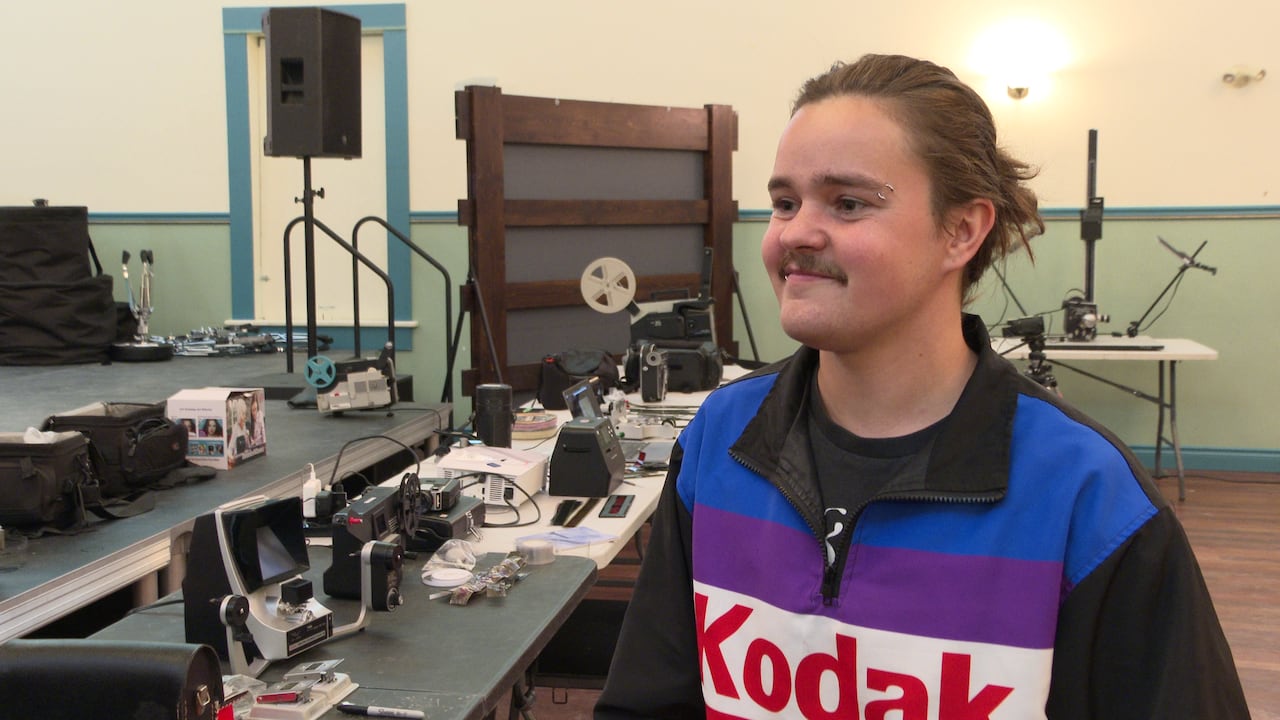 Dawson City International Short Film Festival (DCISFF)’s producer Arcane Perry has been helping the Dawson Film Lab. (Chris MacIntyre/CBC)Creative connections with people
Offering connections between people from different places is what Arcane Perry is proud of.
Perry is Dawson City International Short Film Festival (DCISFF)’s producer and has been helping at the the film lab for three years. The Dawson Film Lab is part of the film festival, organized by the Klondike Institute of Art and Culture (KIAC).
“I think making sure that we’re connecting locals with people from far away, and it’s kind of this whole massive network all over the place. And so having pinpoints that exist in the Yukon is pretty cool,” Perry said.
“It’s amazing the fact that we have the ability to do something up here in the North.”
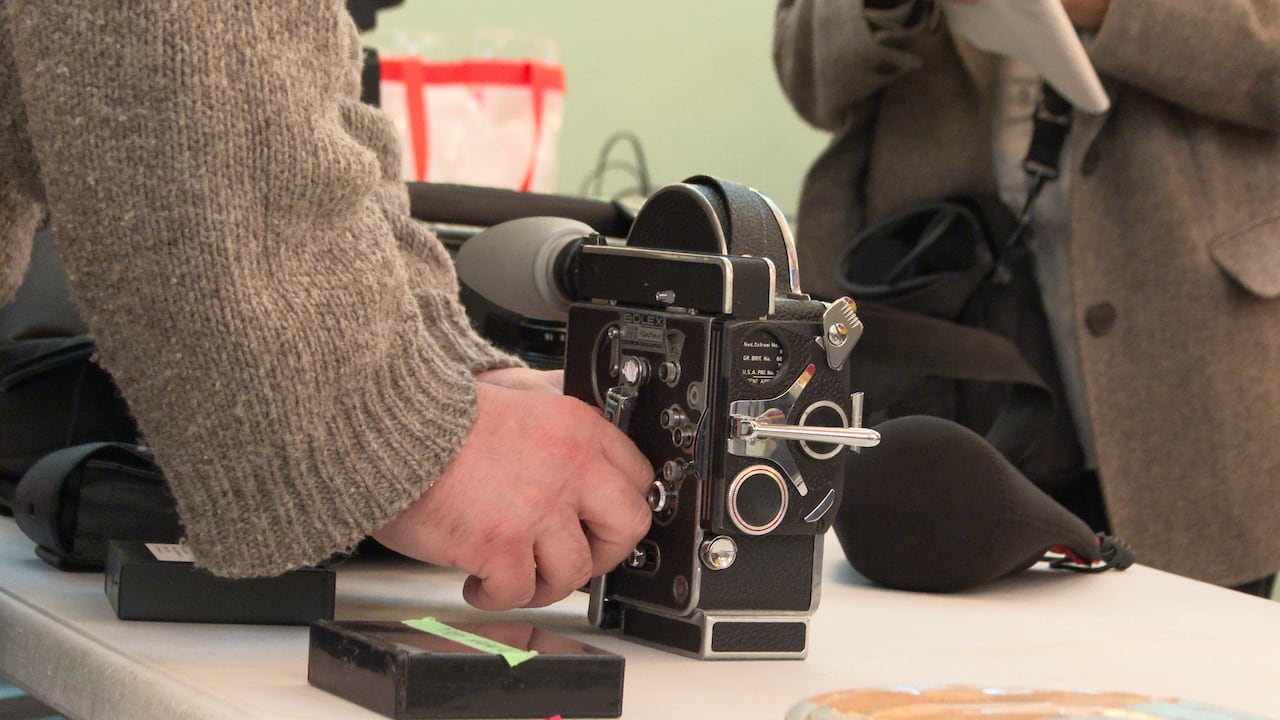 The film lab’s participants work with Super 8 film, 16-mm film, or 35-mm film, and even cameraless filmmaking. (Chris MacIntyre/CBC)’Freedom to do anything they want’
Sokolowski said the Dawson Film Lab came to its current form in 2022, but its first inkling dates back to 2007, when he first joined the DCISFF as a producer.
He invited Canadian filmmaker Philip Hoffman to teach a course, as he processed a lot of his own film in buckets. Then what began as a short workshop expanded over the years, to meet high demands.
The workshop officially launched in 2022 in the name of Dawson Film Lab, what Sokolowski calls a ‘film fun party.’
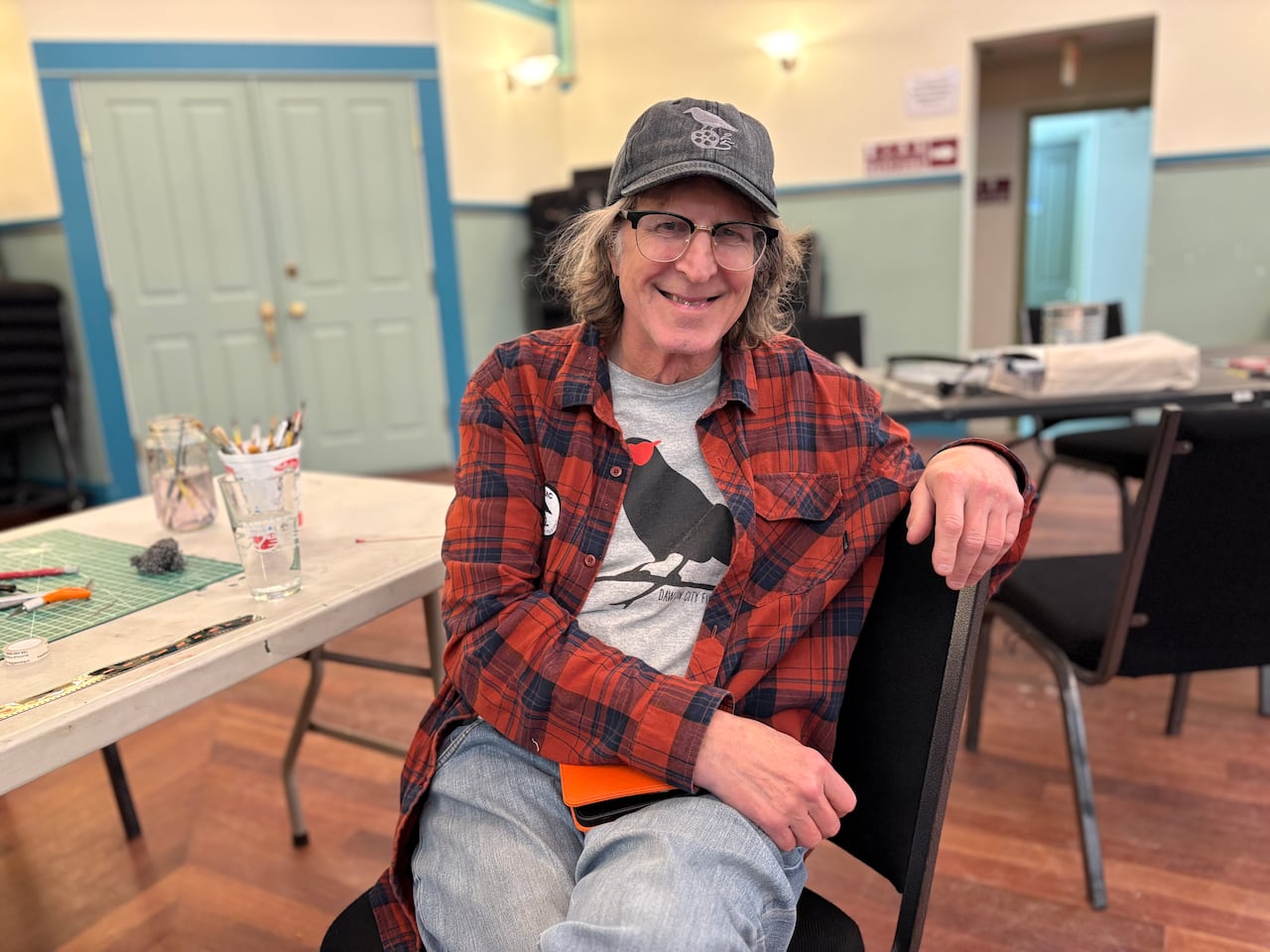 Dawson Film Lab coordinator Dan Sokolowski says he didn’t expect the popularity of the workshop at first. (Chris MacIntyre/CBC)
“It just gives them a little bit of freedom to do anything they want. And they can make mistakes and sometimes those mistakes end up being perfect for being the thing they actually wanted. So it’s really a chance for them to explore.”
Sokolowski says participants’ reactions to their first hand-developed film frames is what sticks in his mind.
“There’s like a little shout of joy. I think that excitement always rejuvenates me. And it’s every year.”