
Picture this. It’s 8pm on a Thursday. My two girls, six and eight, are in the sittingroom. The room is dark, except for a disco ball strobe light shooting out colours across the ceiling and walls, and the Disney Zombies soundtrack is blaring.
The pair bop to the music in their PJs, swirling around the room, jumping on and off the couch singing out the lyrics. The shutters are vibrating, a water bottle teeters on the edge of a table. Popcorn is on the floor.
They are having a ball. And I am at the kitchen table working.
I am just one of the more than 1.3 million women in employment in Ireland.
According to the CSO, female participation in the Irish workforce has jumped 90 per cent since 2000.
And it stands to reason that more women in the workforce than ever before means more working mothers than ever before.
Being a working mother is a horror show at times. The stress can be crippling. You are expected to be everything to everyone.
You are expected to be a solid, reliable employee; an ambitious career go-getter; to command meetings in clothes without spit-up or Weetabix on them on three hours sleep and all while also being Suzy Homemaker come 5pm cooking dinner from scratch and making sure your little darlings are thriving in every way possible.
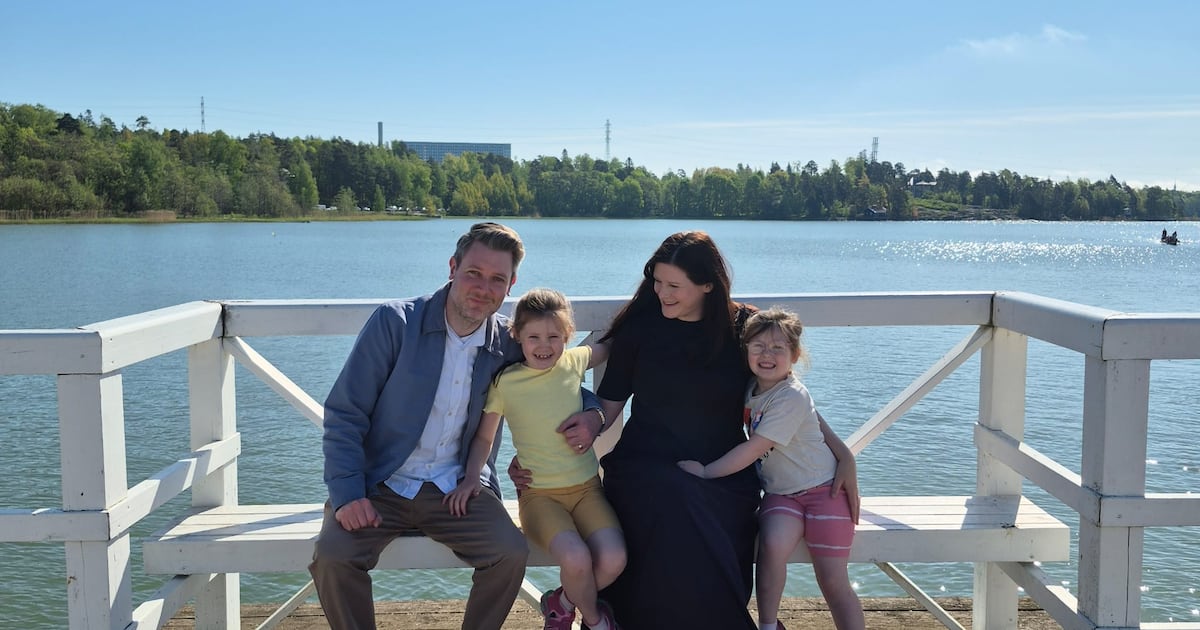
 Fiona Ellis: ‘Pre-Covid this was a nightmare, as most people, me included, were expected to be in the office five days a week.’ Photograph: Paul Sharp/Sharppix
Work like you’re not a mother, mother like you don’t work. It’s an impossible standard.
This particular Thursday, believe it or not, my stress levels are low, around a three. My husband is in Belfast for the night so I am on my own. Yes, I have things to do but the dancing duo in the sittingroom are old enough to, mostly, fend for themselves, be quiet when I need them to be and, almost, put themselves to bed.
Being a working mum in the early years is an entirely different beast. Whenever I see a new mum who is thriving, I am in awe. Especially if it is her first child.
After having my first baby, I was a smidgen unhinged. Often bawling, overwhelmed and anxious. She didn’t sleep; so neither did I and I overthought everything. It took a long time to feel anywhere normal.
With a new mortgage to pay and just 26 weeks of statutory maternity leave to work with, Lily started creche before she was one and I headed back to work, a woman on the edge.
Whereas before, I only had to deal with a small baby and my unhinged-ness, now I had to pretend I was a fully functioning human woman capable of working five days a week without ripping apart at the seams.
The guilt was devastating. I left her at creche before 9am and sometimes collected her after 6pm. I thought of her constantly.
My creche’s USP was they had cameras in their rooms so you could log in and view your child. I clocked up hours staring at that CCTV. Looking at the grainy back of her head as she listened to Julia Donaldson’s latest tome at story time, or watching as she tottered around the room with her little pals.
And the guilt is only a tiny part of being a working mother in the early years. You tie yourself up in knots trying to get everything done. And become exhausted from doing it all.
A new child in creche gets sick instantly and has a lurgy for a solid two years.
Pre-Covid this was a nightmare, as most people, me included, were expected to be in the office five days a week. That sinking feeling when the creche’s number pops up on the phone – the PTSD is only abating now.
Once working from home became prevalent post-Covid, that particular stress diminished, but rather than take the day off, you now work from home beside your sick child, pale and listless on the couch. Catching puke in buckets while catching up on emails.
I asked a few friends about their more memorable “working mother” moments.
One told me how, while pregnant, she would pretend the doorbell rang when she was on a Teams call just so she could be sick and then she would pop back on like nothing had happened.
Another remembered doing a radio interview while literally running away from a bleating toddler who was supposed to be napping.
Then there are the mundane and ordinary occurrences like taking calls while breastfeeding, attending work conferences online with a sick and sleeping baby on your lap, being interrupted mid-sentence with “Maaaammmmy” and fighting fires outside of work hours while trying to wrangle a toddler.
For the new and growing group of working mothers in Ireland – I think the collective noun must be an “exhaustive of working mothers” – what’s being done to relieve them of some of this stress? Flexible working hours, understanding bosses and companies, legislative protections, higher pay. All this and more, but right now, I don’t have time to ponder, my two dancing divas need to go to bed and I need to finish my shift.