
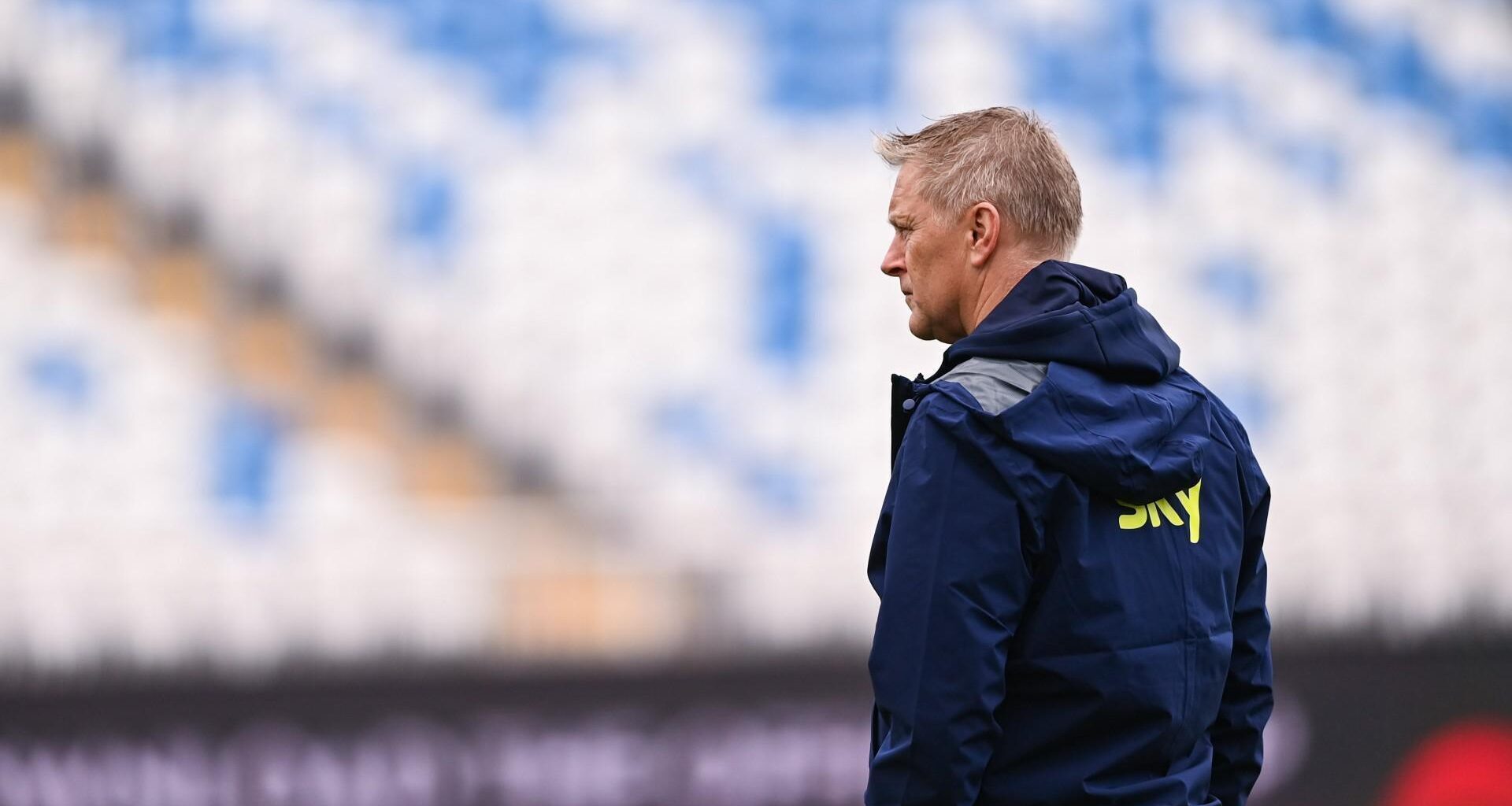
While almost every conversation around Ireland’s opening Nations League window has been drawn towards Israel — the away fixture in Hungary on Sunday and the surreal “home” game to be staged in Serbia next month — the first stop is Kosovo.
Kosovo has arrived in international football. But what, exactly, is it?
It has spent much of its modern history in the shadow of larger arguments: about Serbia, Nato, Russia, the European Union and the still-unsettled borders of post-Yugoslav Europe.
I arrived back in Pristina this week, 22 years after serving here as a young Irish Army lieutenant with KFOR. In 2004, Kosovo was not yet a country. It was a question: a territory administered by the United Nations, protected by Nato troops and suspended between a war that had ended and a political future nobody had agreed.
It declared independence from Serbia in 2008. Ireland recognised it within days. Serbia still does not, nor do Russia and China, a reality that keeps Kosovo outside the United Nations. Five EU states also withhold recognition.
And so Kosovo occupies a peculiar space in contemporary Europe. It has applied for EU membership and is classed as a potential candidate. It has used the euro since 2002, although it is neither an EU member nor part of the eurozone.
Its citizens can travel visa-free through the Schengen area. Its footballers compete under their own flag, after Uefa and Fifa admitted Kosovo in 2016.
Its most recognisable global ambassador may now be Dua Lipa, the daughter of Kosovo-Albanian parents, who spent part of her childhood in Pristina and has helped make the capital’s Sunny Hill festival an international cultural event.
That is one face of a strikingly young country anxious to be seen as more than the aftermath of somebody else’s war. Yet the war remains inescapable.
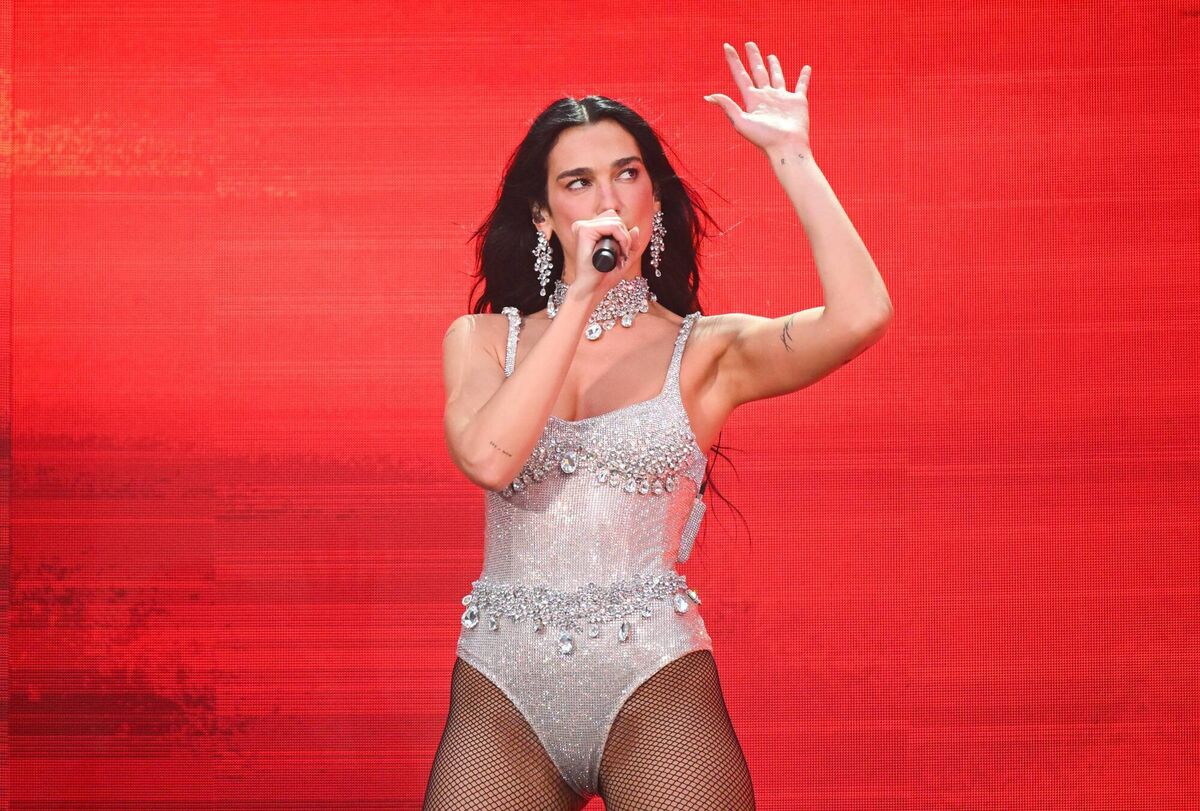 Dua Lipa, the most recognisable face of a young Kosovo, performs at the Aviva in Dublin last year. File photo: Charles McQuillan/Getty Images
In 1998 and 1999, Serbian forces waged a campaign of repression and mass displacement against Kosovo’s ethnic Albanian majority. Nato’s 78-day bombing campaign was followed by the withdrawal of Serbian forces and the arrival of KFOR in June 1999.
Last week, that history returned sharply to the present. Hashim Thaçi — a senior Kosovo Liberation Army commander who later became prime minister and president — was convicted in The Hague of war crimes including murder, torture and illegal detention, and sentenced to 25 years.
He resigned the presidency in 2020 to face the charges and has denied wrongdoing; an appeal is expected. To many Kosovo Albanians he remains a liberation hero, making the verdict both judicially momentous and politically combustible.
Kosovo is constitutionally secular, although 93.5% of respondents in its 2024 census identified as Muslim — among the highest proportions in Europe. Its identity is overwhelmingly Albanian in language and culture, and its connection with neighbouring Albania is intimate, but Kosovo is a separate state.
The small Serb minority remains central to its unfinished story. Many live in four northern municipalities bordering Serbia, or in enclaves farther south.
Belgrade has continued to support Serbian institutions there; Pristina sees these as a challenge to its sovereignty, while local Serbs often experience the Kosovo state as an imposition. Periodic confrontation means roughly 4,600 KFOR troops remain, including a small Irish contingent.
That is why returning matters personally. I knew Kosovo first through patrol routes, checkpoints and military maps; this week I am trying to meet the country that has grown up since that first tour.
Thursday night’s match will not resolve any of this. But it offers Ireland a window onto a place we helped patrol long before many Irish people thought of it as a country — and which, nearly two decades after independence, Europe has still not fully decided how to see.