
Dr Chris Kerr was 12 when he first witnessed someone having an end-of-life vision. It was his father.
In 1974, his father was dying of cancer at 42. Kerr recalls standing at the bedside. His father, who was also a doctor, reached out and played with the buttons on his shirt and told him he needed to hurry up, as they had to catch a plane to go on a fishing trip together, something they had done before.
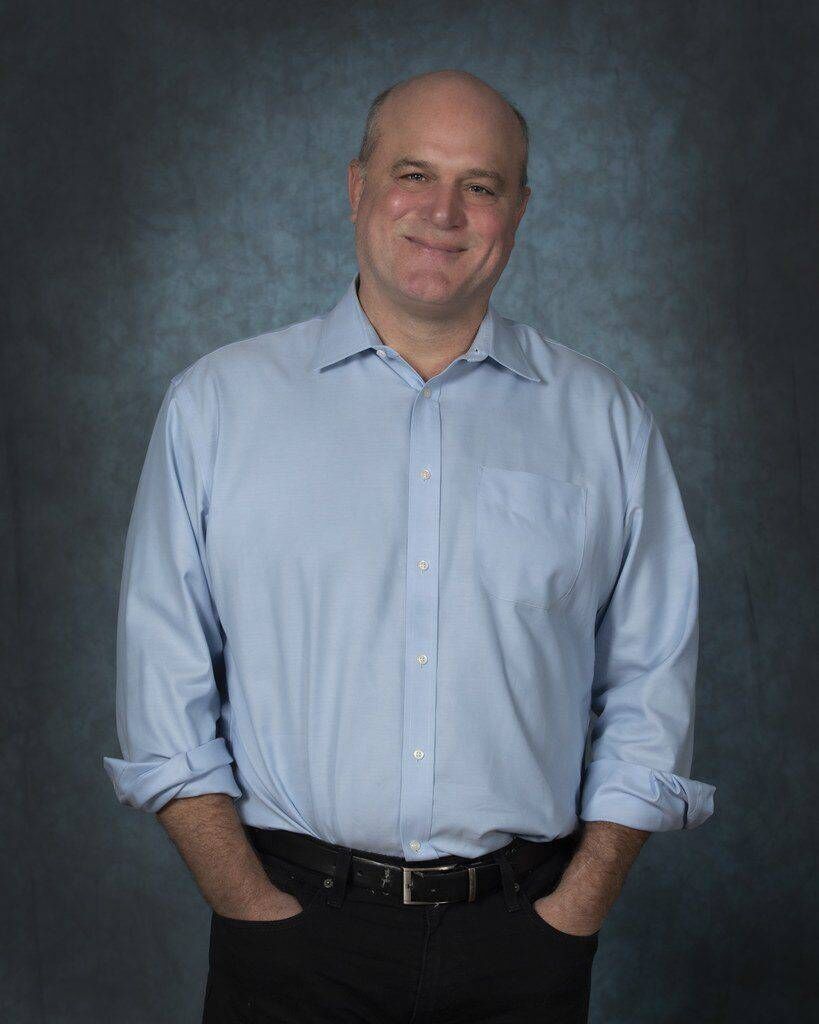 Dr Chris Kerr was 12 when he saw hisdying father having a vision.
In the video, Paul says his wife didn’t speak often in the visions, but when she did, it was to tell him that she was fine, and everything was OK. His face lights up as he recounts the visions.
Seeing her deceased loved ones, she said, helped her to not to fear dying.
Kerr also spoke with Sierra, a woman in her 20s with a young child and an upcoming wedding. In the hospice, Sierra found it difficult to accept her terminal diagnosis, but then her deceased grandfather came to her in a dream. He told her he was proud of her, that he would see her soon and that it was ok to let go. her soon.
It is estimated that 50%-60% of conscious dying patients experience ELDVs. Most commonly, the dying patients describe seeing deceased family and friends, and these visions can occur months, weeks, days, or hours before death