
Budget 2027 will create a “very challenging environment” for the Irish film and television industry, screen producers have warned, after the Government cut RTÉ’s funding and decided against increasing TG4’s and Screen Ireland’s allocations.
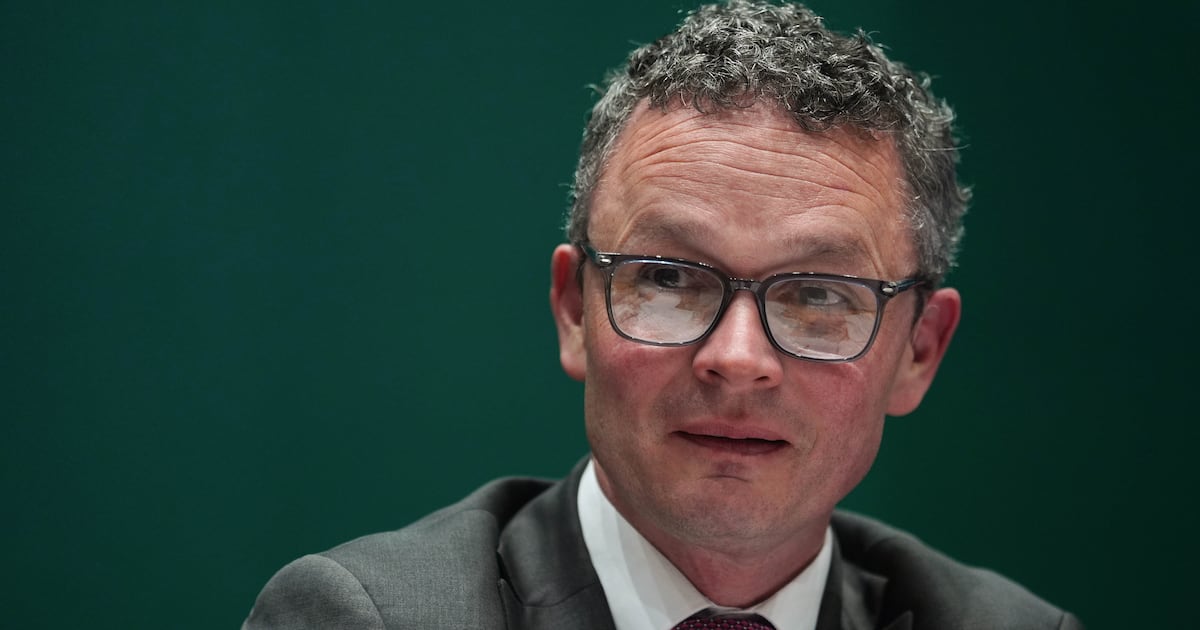
The Coalition also opted against reintroducing an enhanced tax incentive for regional film and TV production companies, which Minister for Culture, Communications and Sport Patrick O’Donovan said he would like to revisit after last year’s budget.
Meanwhile, RTÉ was allocated €240 million in public funding for next year, €20 million less than it was promised after reaching a multiyear funding agreement with the previous government in 2024.
The minister also confirmed at a press conference on Wednesday that TG4’s funding would remain static next year. The Irish language broadcaster had requested an additional €11 million in funding in Budget 2027, bringing its total allocation to €76.4 million.
TG4 ard-stiúrthóir Deirdre Ní Choistín said the broadcaster would now have to “assess the impact” on its plans and strategic priorities for next year, “at a time when interest in the Irish language is at a record high and demand for Irish-language content is stronger than ever”.
 Budget 2027: Does this giveaway budget have potential banana skins that might lie ahead for the Government?
RTÉ and TG4 are two of the biggest revenue engines for the Irish screen industry, commissioning millions of euros in programming each year.
RTÉ spent €51.8 million through its Independent Production Unit (IPU) last year, while TG4 spent €36.4 million to commission 910 hours of programming from outside production companies.
Susan Kirby, chief executive of industry group Screen Producers Ireland, said that the sector was “significantly concerned” about the decisions made in the budget.
She said the lack of an uplift to TG4’s and to Screen Ireland’s funding amounted, in effect, to “reductions” when expected inflation is taken into account.
[ RTÉ says €20m cut in funding will impact on strategy as Minister criticises pace of reforms ]
“We would be extremely concerned that the reduction in funding would be most acutely felt by the independent production sector,” Kirby said of the decision to reduce RTÉ’s funding relative to what was promised in the 2024 agreement.
“This is the creative sector that RTÉ has identified as key to its reform plans under the New Direction Strategy, but the IPU budget is the easiest non-fixed element of the budget to reduce.”
The screen industry had also pushed for the reintroduction of an enhancement to the section 481 tax credit, for productions outside the Dublin and Wicklow corridor, which was phased out after three years in 2023.
Speaking to reporters on Wednesday, O’Donovan said the enhanced rate for regional productions was “something that we would keep under discussion with the Department of Finance”.
However, he did increase TG4’s allocation and roll out an enhancement to the relief for the film industry in last year’s budget, specifically aimed at the State’s growing visual effects industry.